2026年10月27日
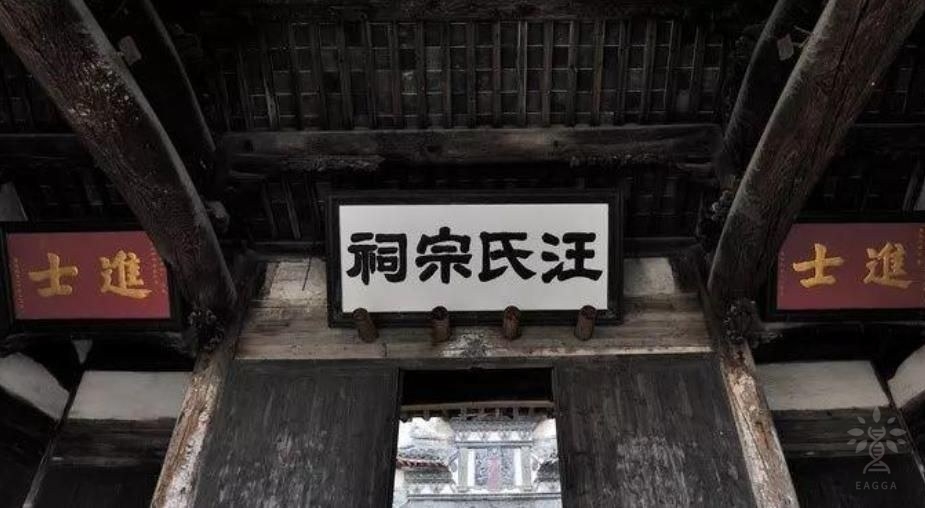
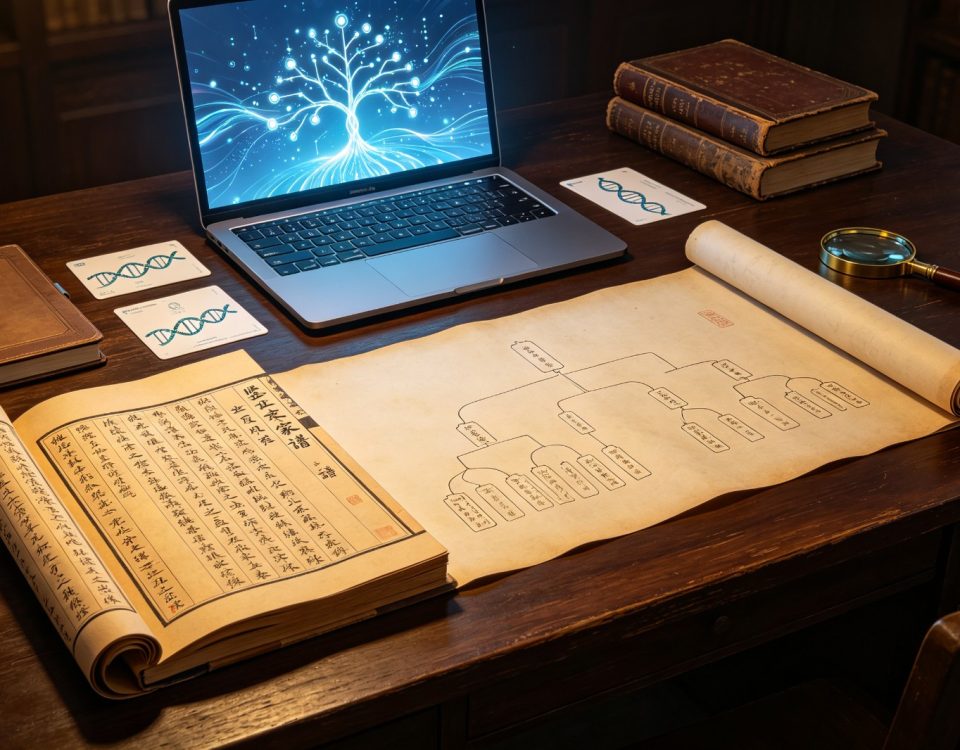
From the “Longxi Hall,” “Jiangxia Hall” and “Xingyang Hall” plaques on ancestral shrines to the surname order in the Hundred Family Surnames, junwang and tanghao form the “geographic coordinates” of Chinese identity. In 2026, a renewed wave of surname culture has brought the migration histories and genealogy traditions behind hall names back into public view.