Have any questions?   ✉ service@eagga.org

✕

Exploring genetic evidence in individual, family and lineage research, including kinship, pedigree reconstruction and comparison with traditional genealogies, with attention to methodological limits and responsible interpretation.

2026年10月31日
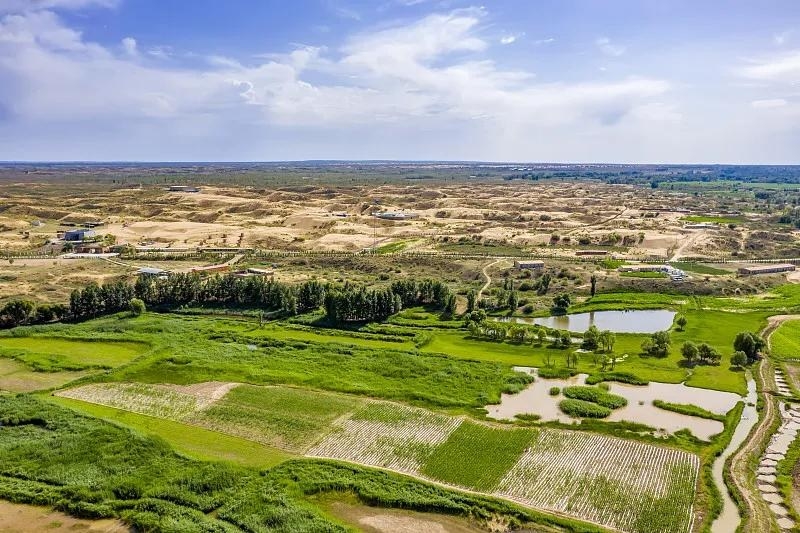
内蒙古鄂尔多斯黄河南岸的库布齐沙漠边缘地带

The Genetic Code of a Tang Dynasty Frontier Clan: 38 Ancient Genomes Reveal Patrilineal Inheritance and Female Exogamy in the Chen Family

Analysing 38 ancient genomes from the Tang-era Chen family cemetery at Naobaowan in Inner Mongolia, researchers found 13 men sharing one Y haplogroup amid highly diverse maternal lineages, with several women carrying West Eurasian steppe ancestry buried in the core cemetery — revealing patrilineal succession combined with female exogamy in a frontier elite clan.
2026年10月24日
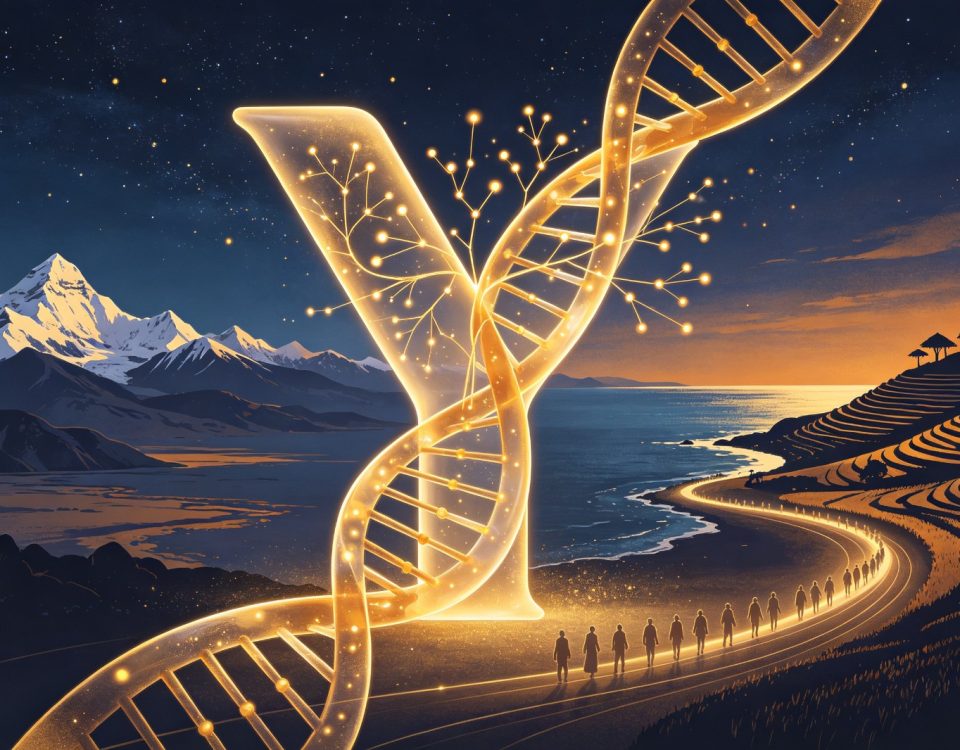
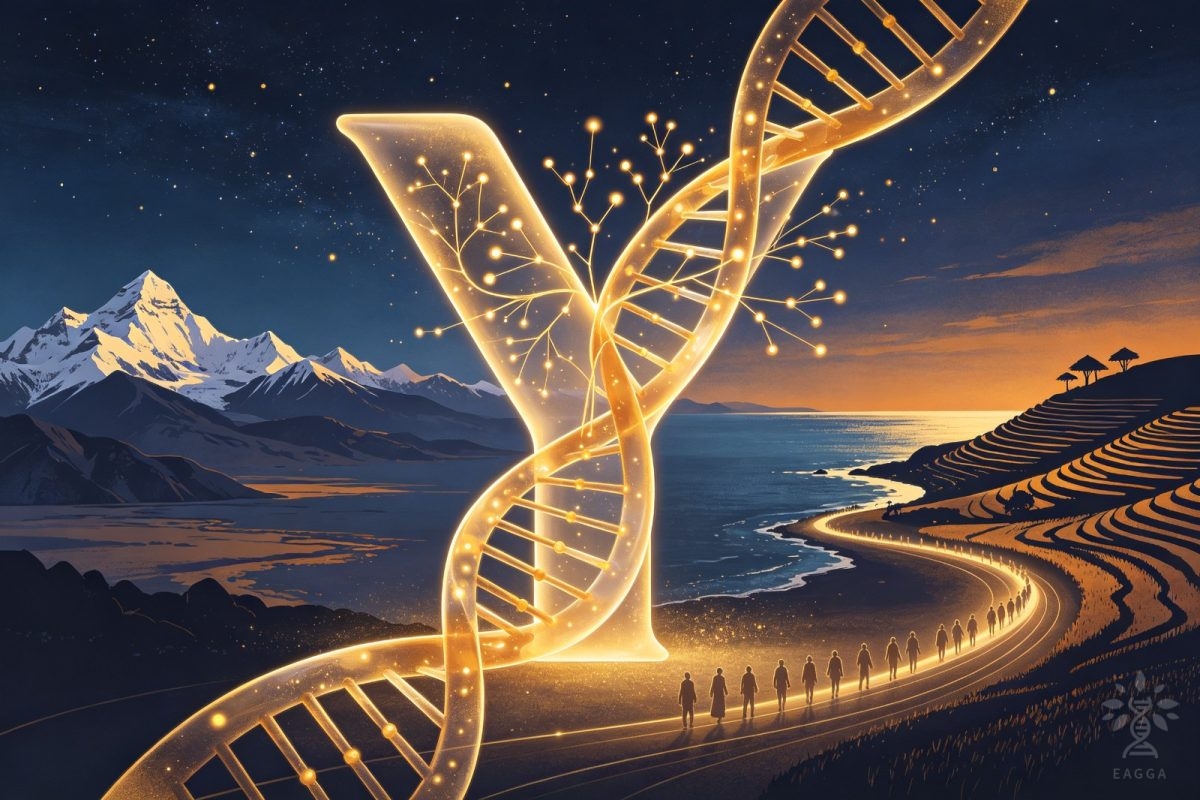
Y染色体谱系与人群迁徙概念图(AI生成,无文字)

The “Time Code” of the Y Chromosome: Large-Scale Lineage Studies Reconstruct East Asian Paternal History

Two large-scale Y-chromosome studies published in early 2026 integrated nearly 18,000 modern individuals and about 1,000 ancient samples to build the most detailed paternal phylogenetic framework for East Asia to date — from Paleolithic migrations along the southern Himalayas to Neolithic expansions driven by millet and rice farming.
2026年10月16日
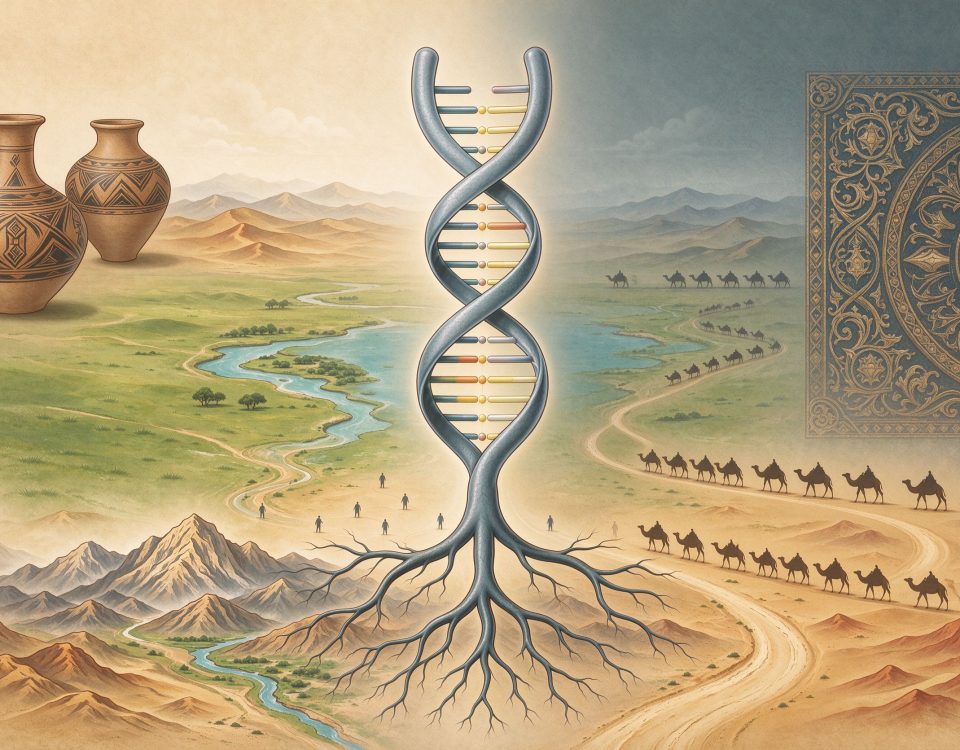
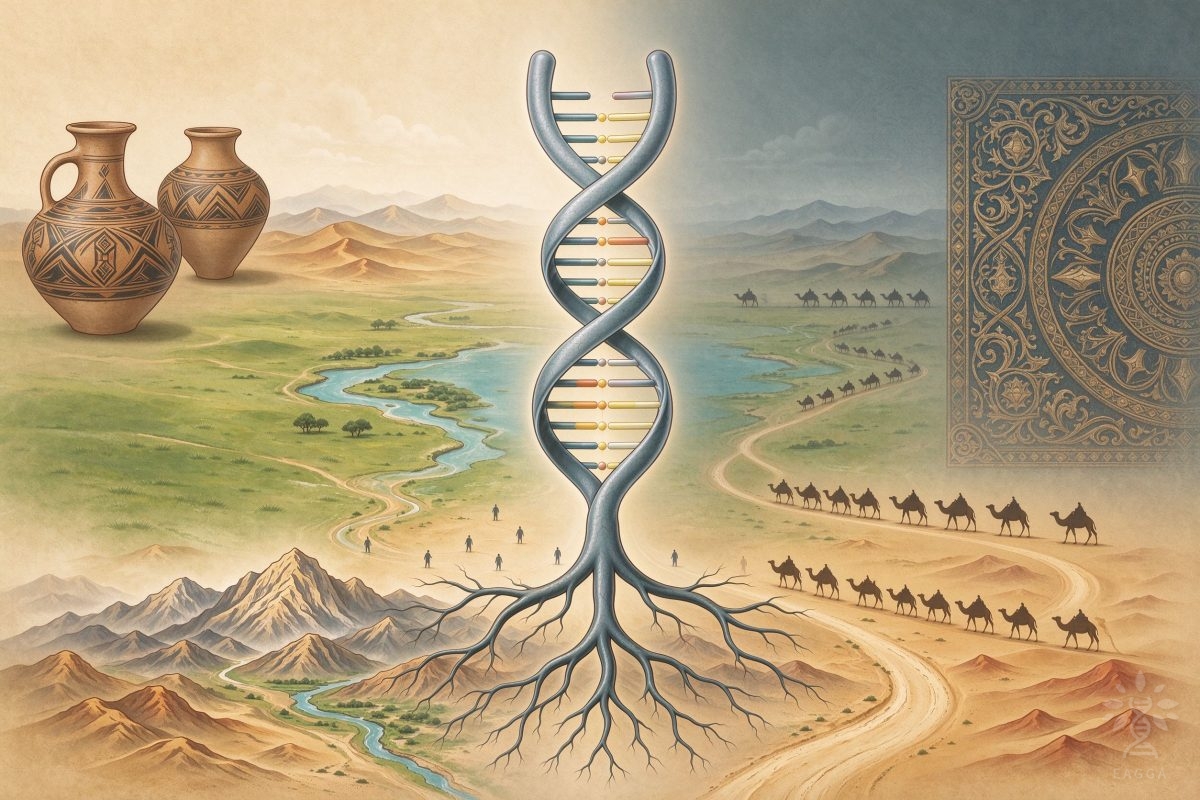
西北中国父系谱系与跨欧亚交流概念图(AI生成,无文字)

The ‘Silk Road’ Written in Paternal DNA: How More Than a Thousand Y Chromosomes Rewrite Northwest China’s Population History—and the Hui

A Science Advances study led by Academician Liu Chao (Jinan University) integrates 1,053 newly sequenced genomes and 3,301 Y-chromosome sequences worldwide. It reveals at least three successive trans-Eurasian paternal layers in Northwest China since the Bronze Age, and a 'north-strong, south-weak' paternal mosaic across four Hui subgroups.
2026年10月6日
唐宋古DNA研究概念图(AI生成,无文字)

The Genetic Landscape of the Tang and Song Eras: New Ancient DNA Discoveries from Chang’an to Frontier Clans

Throughout 2026, ancient DNA studies on the Tang and Song periods have been published in rapid succession: trans-Eurasian genetic imprints in Tang Chang'an, three millennia of genetic stability in the Central Plains, the East–West admixed profile of the Shatuo leader Li Keyong, and cases from frontier clans and commoner cemeteries — together sketching a complex picture of population movement and cultural identity at the Tang–Song transition.
2026年10月6日
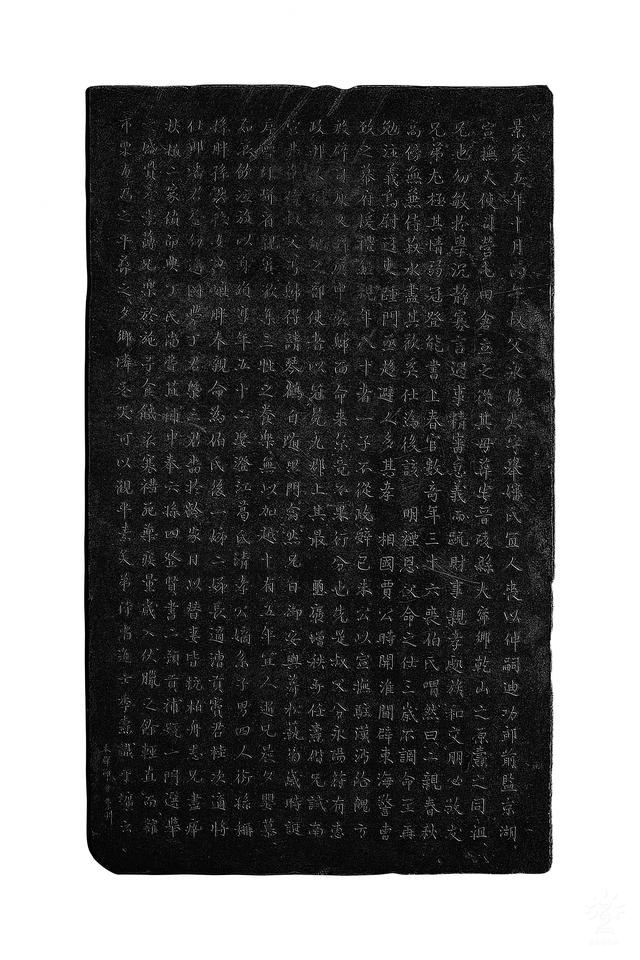
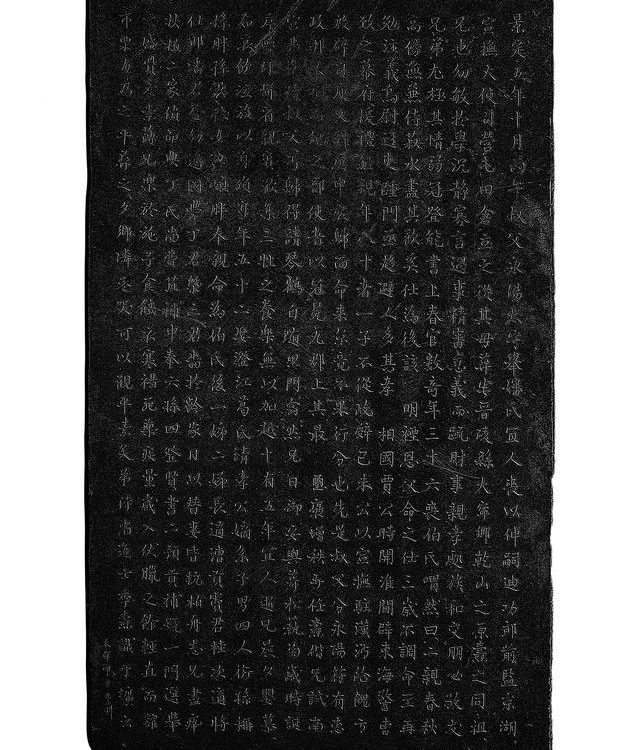
常州南宋古墓墓志铭拓片(真实照片)

Ancient DNA of the Tang and Song Dynasties: From Chang’an Seated Burials to the Preserved Corpse of Jizhili

Since early 2026, several ancient-DNA studies of the Tang and Song dynasties have been published: the genetics and diet of seated-burial individuals in Tang-era Chang'an have been systematically analyzed, a high-coverage genome from the Southern Song preserved corpse “Jizhili” revealed ancestry and disease risk in the lower Yangtze, and the Yusi Tang tomb in Henan demonstrated genetic continuity in the Central Plains.
2026年9月24日
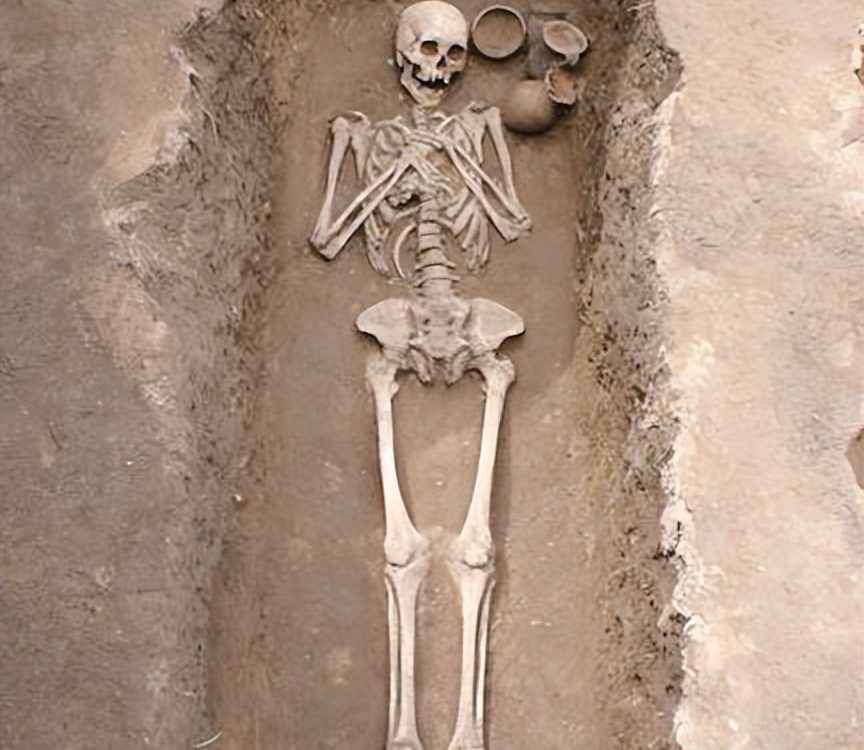
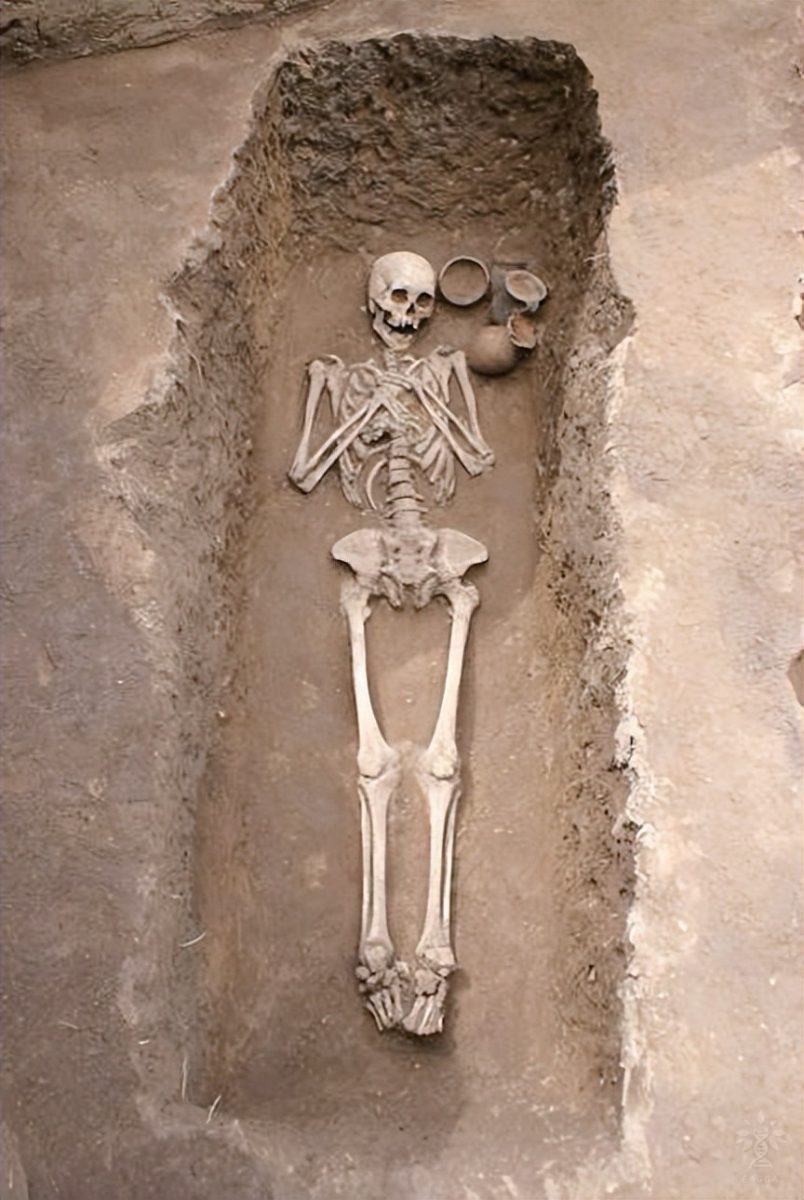
甘肃临潭磨沟遗址墓葬发掘现场

From Individuals to Families: A Review of Family-Scale Ancient DNA Research in China in 2026

In 2026, Chinese paleogenomics delivered a dense harvest of family-scale studies: from the individual identification of Shatuo leader Li Keyong, to the Tang Dynasty Chen clan, four-generation pedigrees at Shimao, 207 mitochondrial genomes from the Western Zhou Ba state cemetery, a patrilineal family cemetery in Northeast China, and the 149 genomes from Mogou in Gansu that revealed a novel social structure — researchers are now reconstructing the kinship and marriage of ancient societies family by family.
2026年9月8日
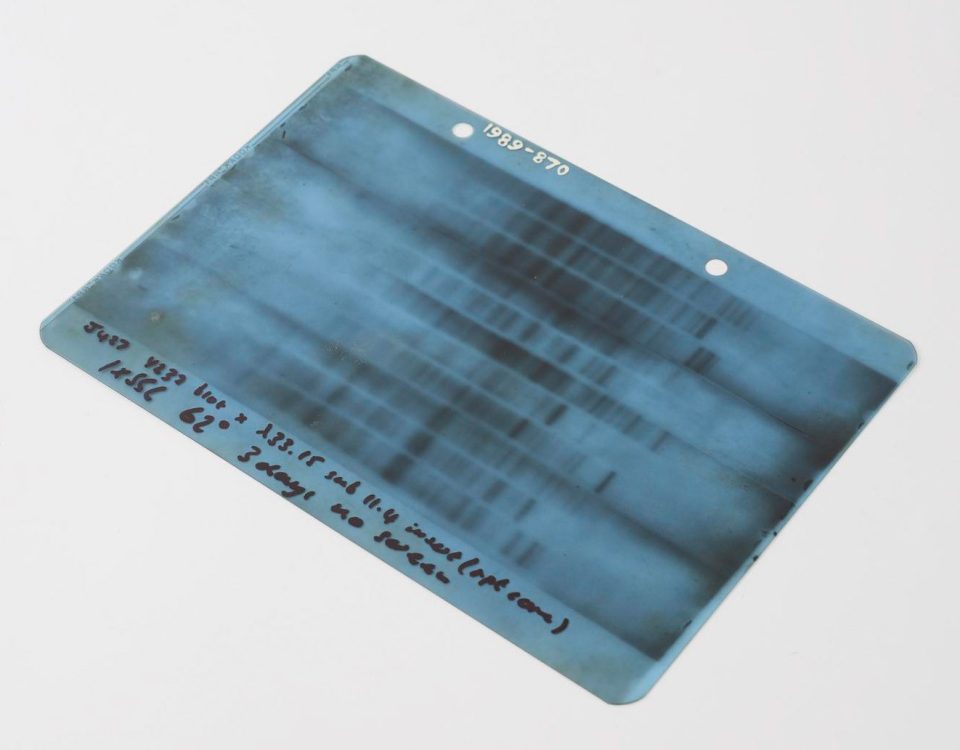
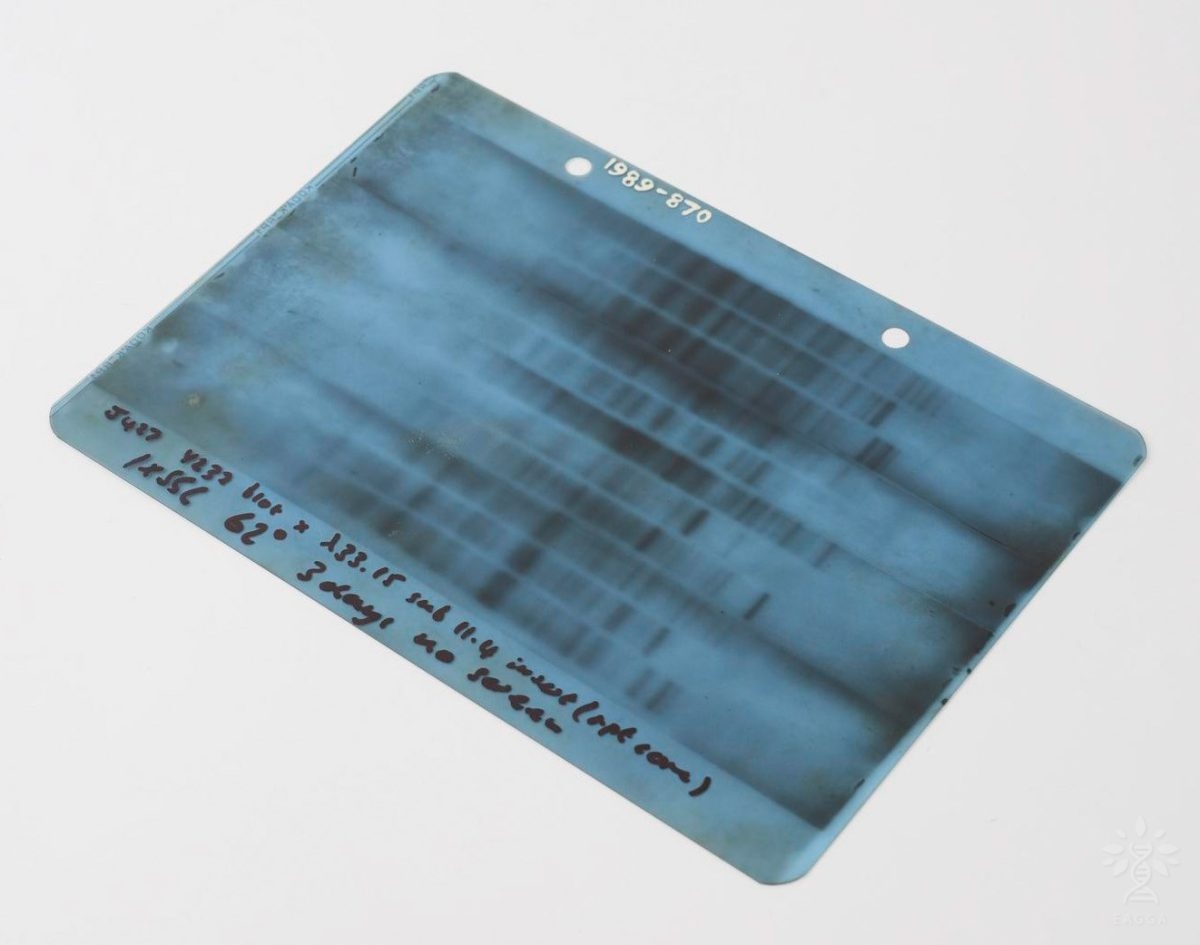
首张DNA指纹凝胶电泳胶片(1984,杰弗里斯)

STRs and a Century-Old Mystery: How DNA Profiling Confirmed the Identity of the Last Romanovs

From the 1991 excavation of the imperial family's remains to the 2009 identification of the final two missing children, the convergence of autosomal short tandem repeats, mitochondrial DNA and Y-chromosome STRs — combined with heteroplasmy analysis and living-relative comparisons — definitively confirmed the identities of the entire Romanov family and marked STR technology's leap from forensics to ancient DNA identification.
STRs and a Century-Old Mystery: How DNA Profiling Confirmed the Identity of the Last Romanovs
This website uses cookies to improve your experience. By using this website you agree to our Data Protection Policy.
Read more