Have any questions?   ✉ service@eagga.org

✕
2026年10月6日
唐宋古DNA研究概念图(AI生成,无文字)

The Genetic Landscape of the Tang and Song Eras: New Ancient DNA Discoveries from Chang’an to Frontier Clans

Throughout 2026, ancient DNA studies on the Tang and Song periods have been published in rapid succession: trans-Eurasian genetic imprints in Tang Chang'an, three millennia of genetic stability in the Central Plains, the East–West admixed profile of the Shatuo leader Li Keyong, and cases from frontier clans and commoner cemeteries — together sketching a complex picture of population movement and cultural identity at the Tang–Song transition.
2026年10月6日
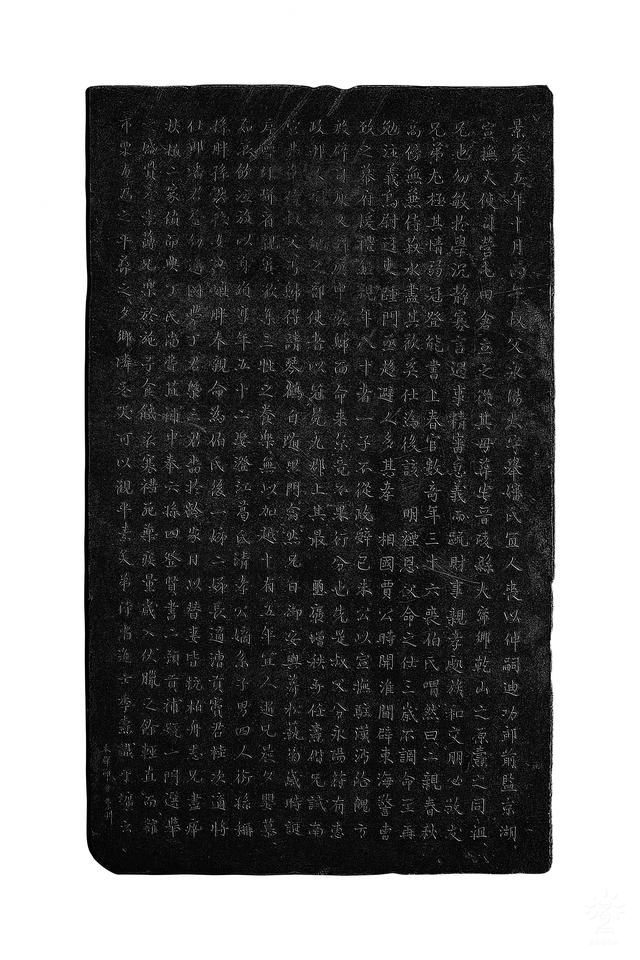
常州南宋古墓墓志铭拓片(真实照片)

Ancient DNA of the Tang and Song Dynasties: From Chang’an Seated Burials to the Preserved Corpse of Jizhili

Since early 2026, several ancient-DNA studies of the Tang and Song dynasties have been published: the genetics and diet of seated-burial individuals in Tang-era Chang'an have been systematically analyzed, a high-coverage genome from the Southern Song preserved corpse “Jizhili” revealed ancestry and disease risk in the lower Yangtze, and the Yusi Tang tomb in Henan demonstrated genetic continuity in the Central Plains.
2026年9月24日
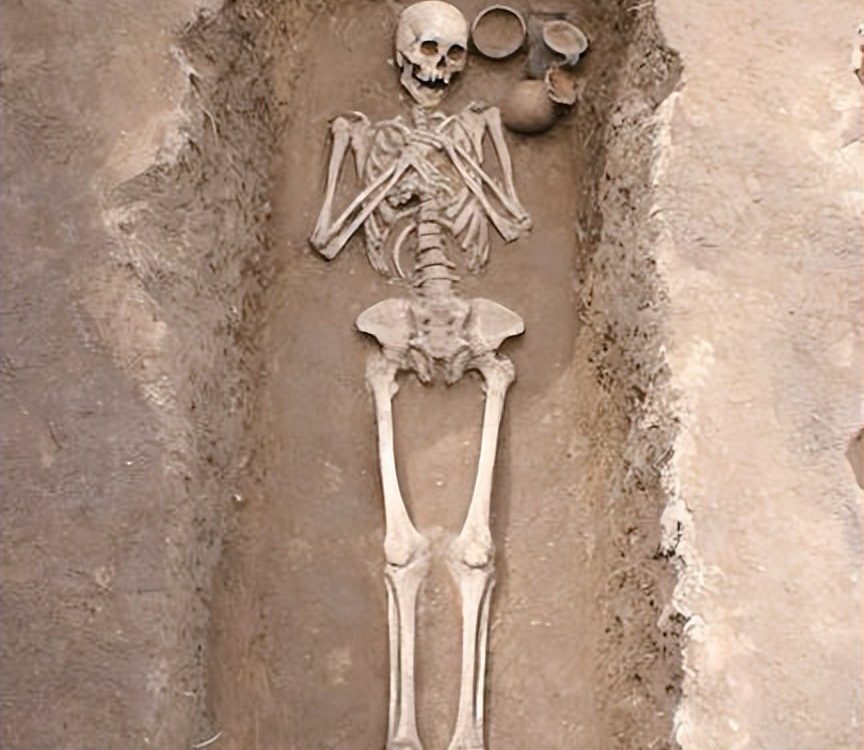
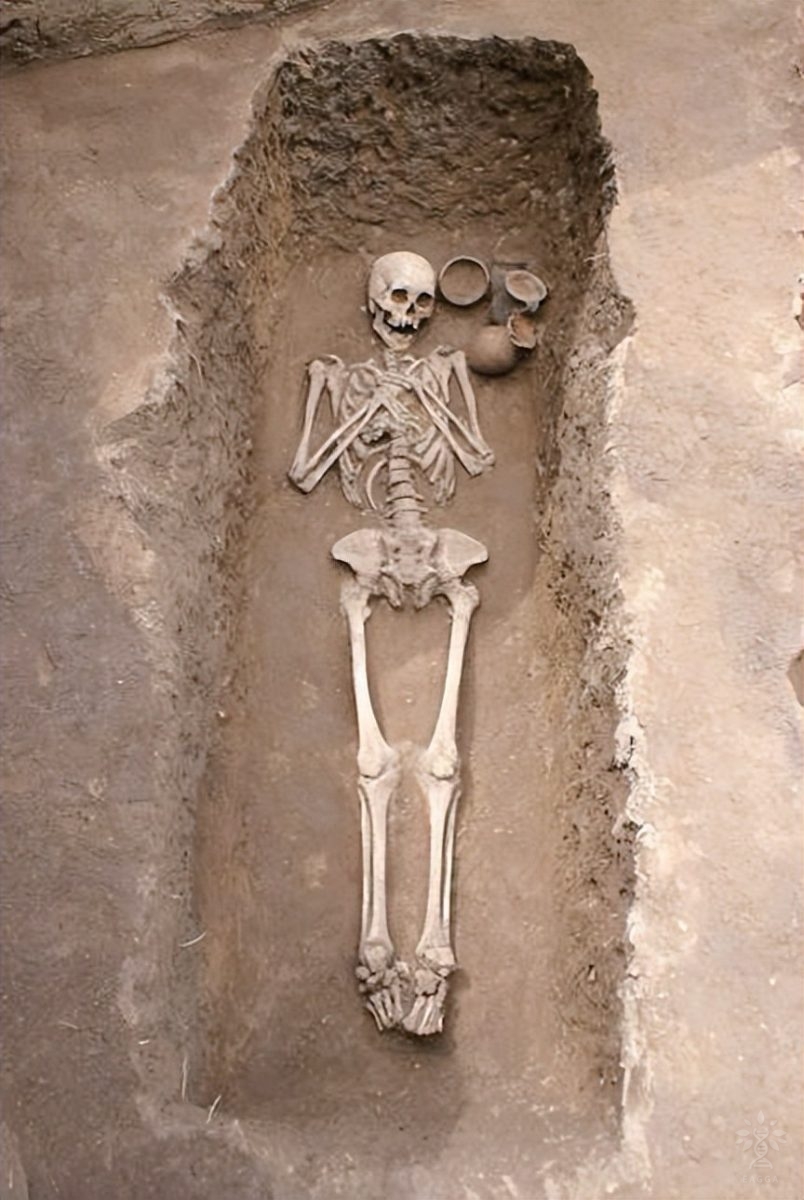
甘肃临潭磨沟遗址墓葬发掘现场

From Individuals to Families: A Review of Family-Scale Ancient DNA Research in China in 2026

In 2026, Chinese paleogenomics delivered a dense harvest of family-scale studies: from the individual identification of Shatuo leader Li Keyong, to the Tang Dynasty Chen clan, four-generation pedigrees at Shimao, 207 mitochondrial genomes from the Western Zhou Ba state cemetery, a patrilineal family cemetery in Northeast China, and the 149 genomes from Mogou in Gansu that revealed a novel social structure — researchers are now reconstructing the kinship and marriage of ancient societies family by family.
2026年9月8日
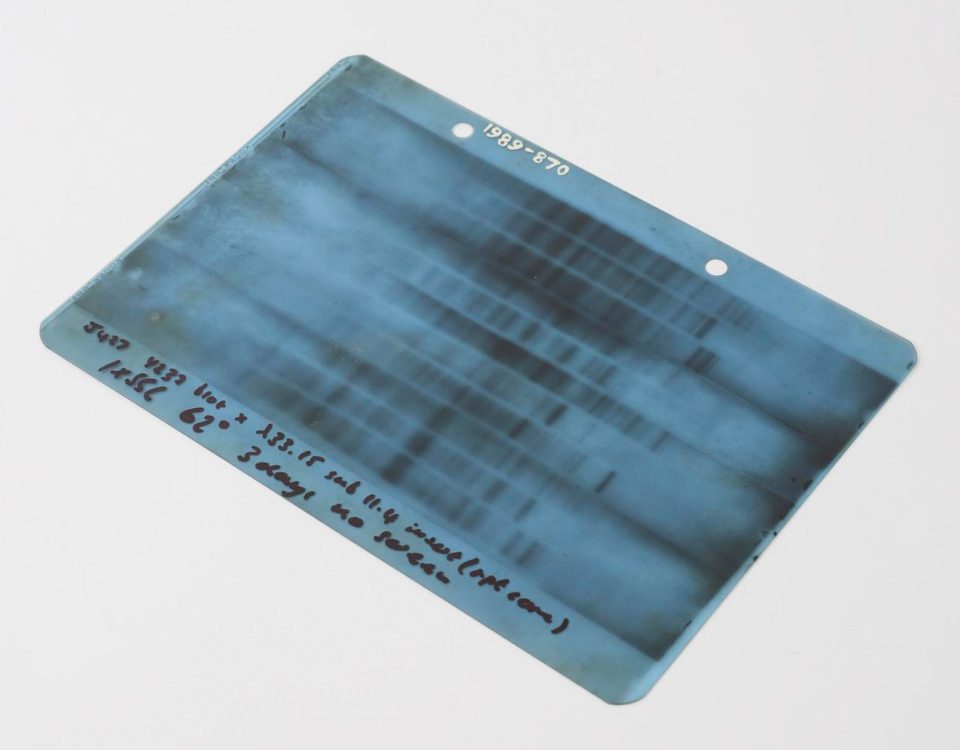
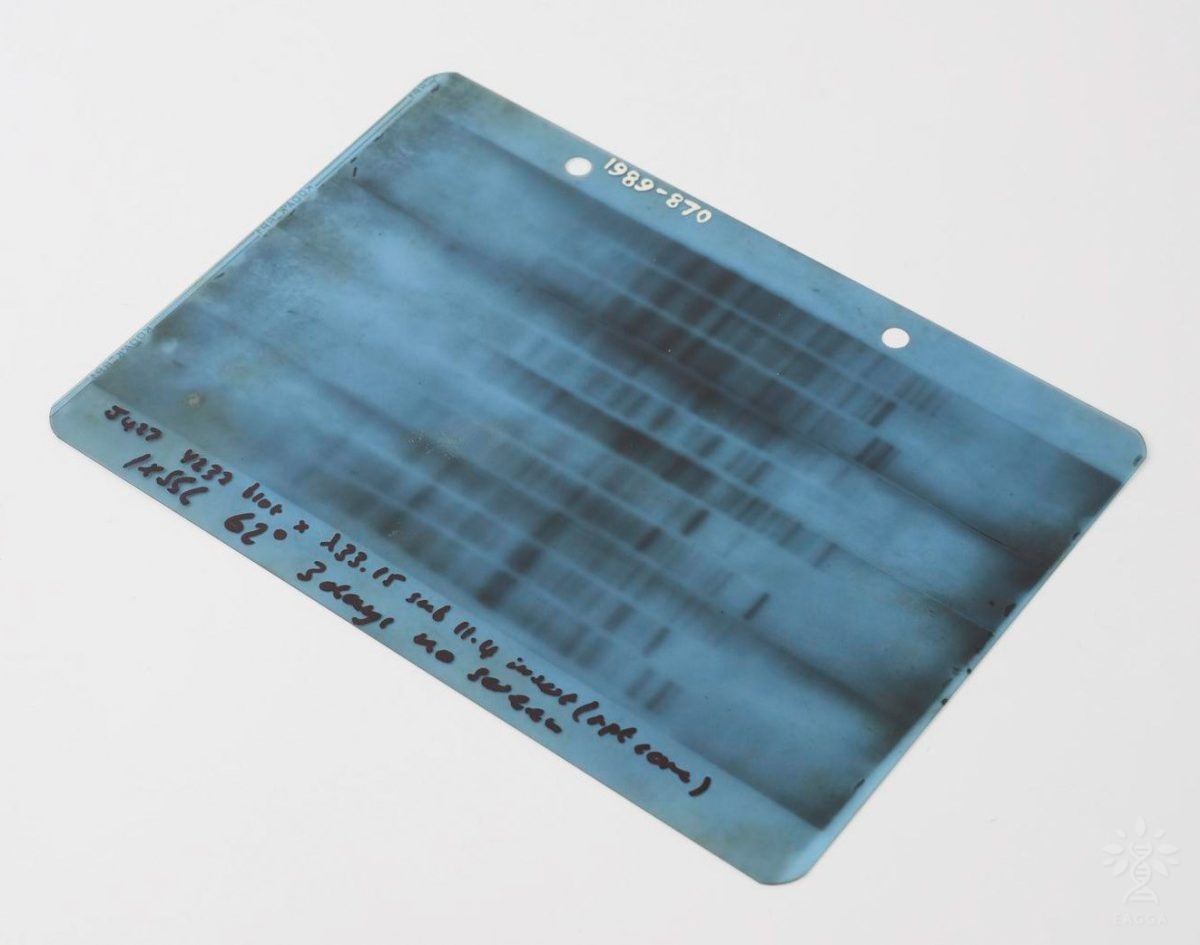
首张DNA指纹凝胶电泳胶片(1984,杰弗里斯)

STRs and a Century-Old Mystery: How DNA Profiling Confirmed the Identity of the Last Romanovs

From the 1991 excavation of the imperial family's remains to the 2009 identification of the final two missing children, the convergence of autosomal short tandem repeats, mitochondrial DNA and Y-chromosome STRs — combined with heteroplasmy analysis and living-relative comparisons — definitively confirmed the identities of the entire Romanov family and marked STR technology's leap from forensics to ancient DNA identification.
2026年8月4日
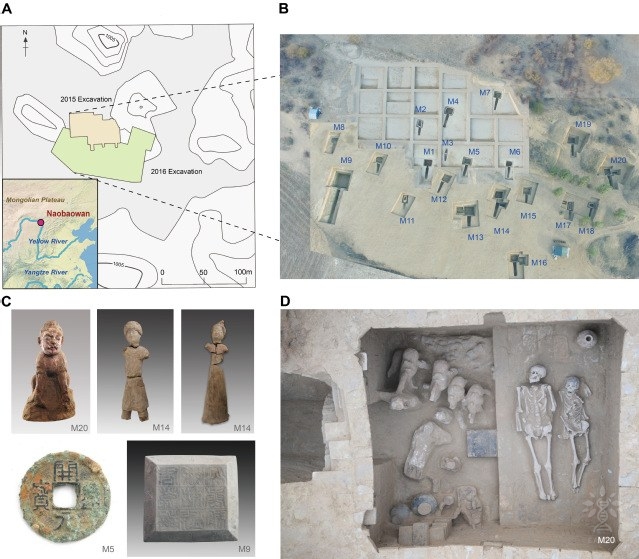
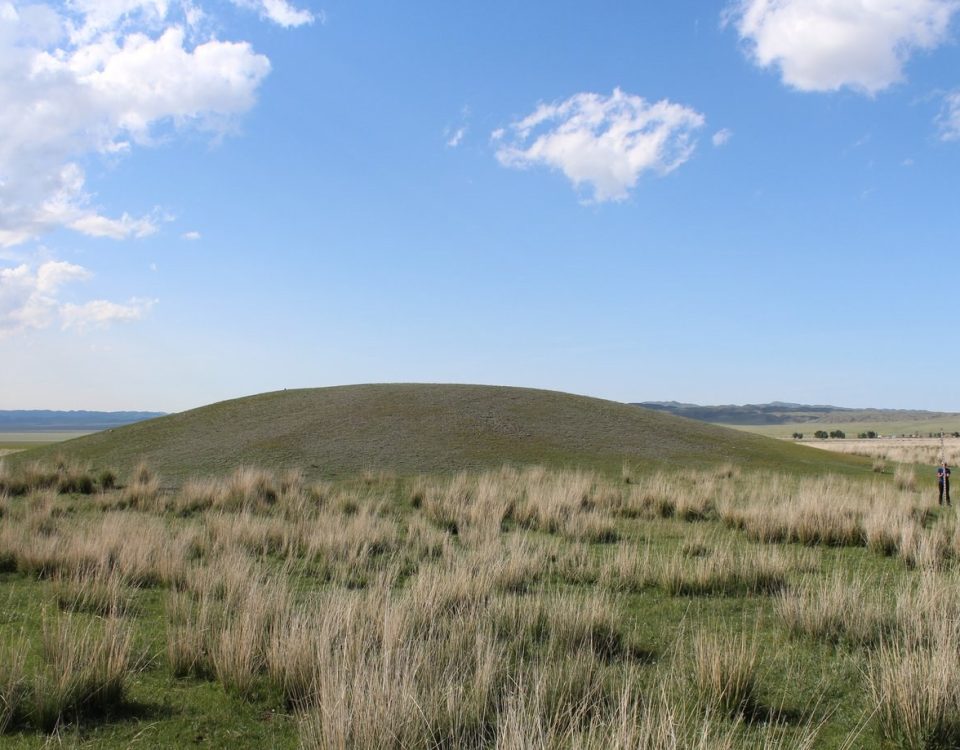
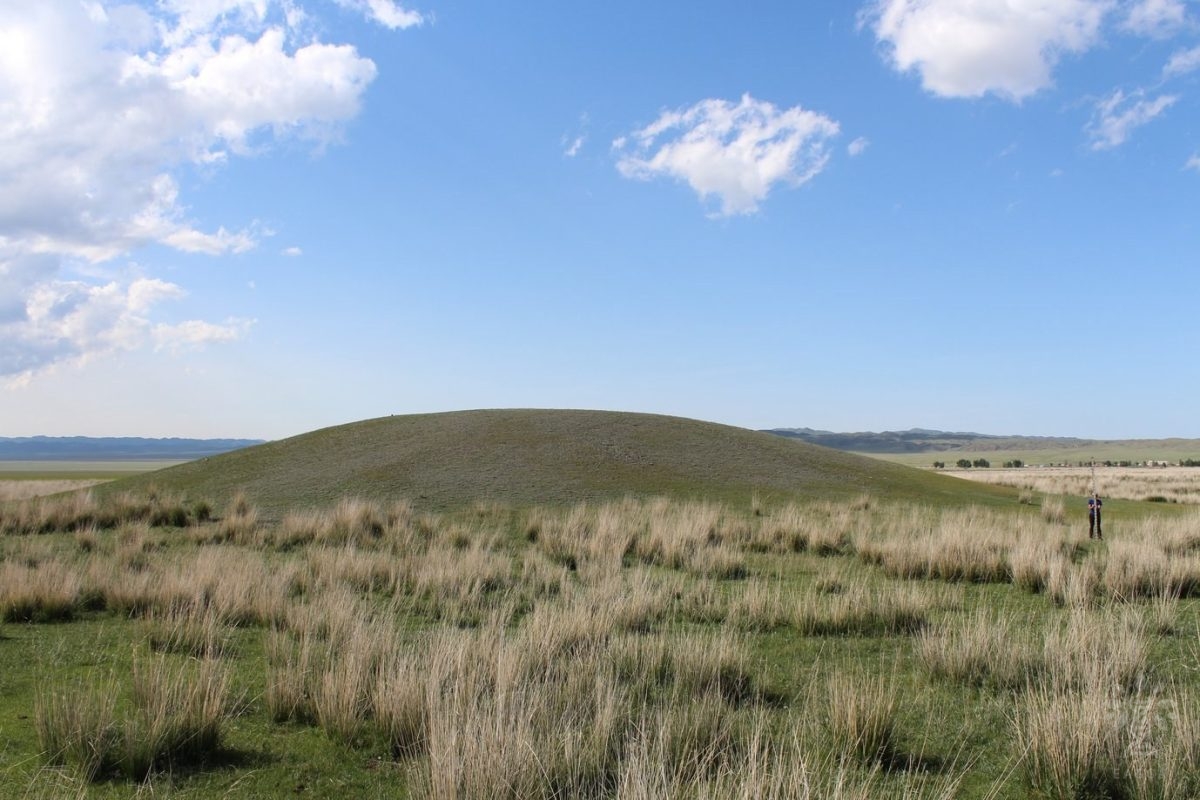
脑包湾墓群考古背景图

Current Biology: 38 Ancient Genomes Reveal Female Exogamy and Ethnic Interaction in a Tang Dynasty Frontier Clan

A study led by Fudan University's Wang Chuanchao group in Current Biology analyzes 38 ancient genomes from the Naobaowan cemetery of the Chen clan in Inner Mongolia: a uniform paternal haplogroup, highly diverse maternal lineages, and several women carrying high proportions of West Eurasian steppe ancestry buried in the core cemetery — family-level evidence of frontier ethnic interaction in Tang China.
2026年7月21日
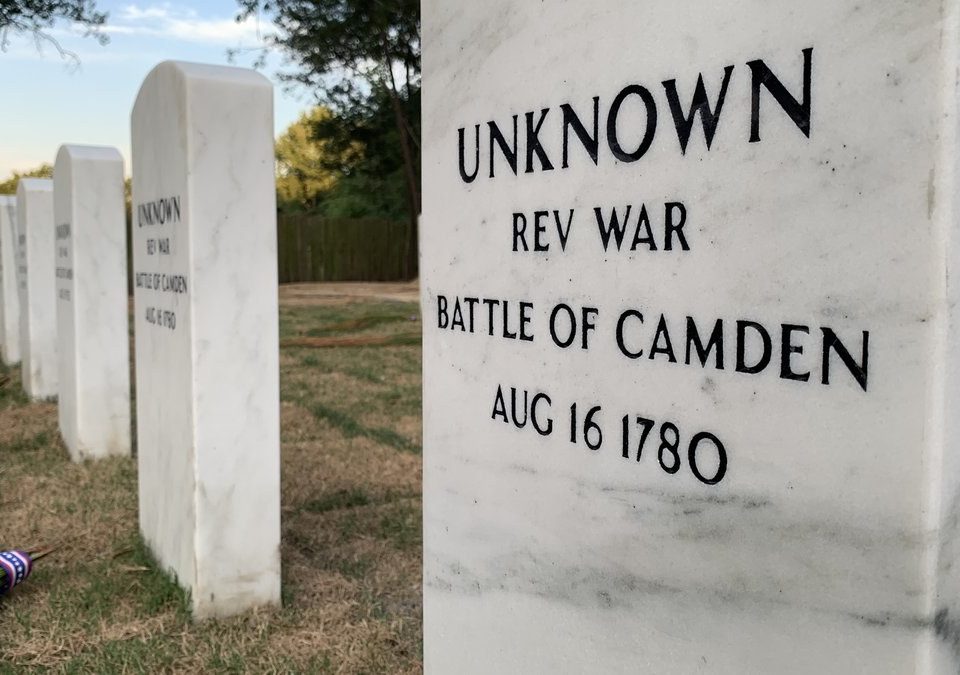
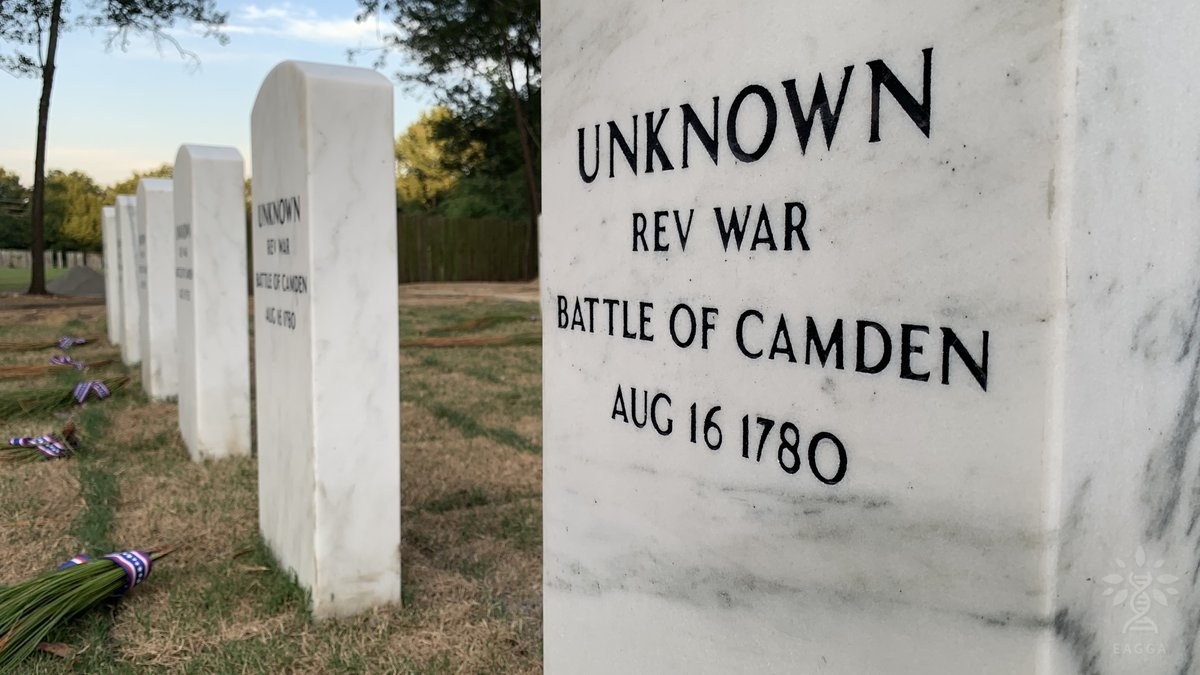
康登战役无名士兵墓碑

Genetic Genealogy Solves a 250-Year Cold Case: DNA Identifies an Unknown Teenage Soldier of the American Revolution

A teenage Continental Army soldier killed at the 1780 Battle of Camden and buried in an unmarked grave has been identified through genetic genealogy as Private John Pumphrey — autosomal, X and Y chromosome DNA plus archival research converged, yielding some 20,000 DNA matches with living relatives, the first identification of an 18th-century casualty using a genetic genealogy profile.
Mitotree Released: A Universal Human Mitochondrial Reference Phylogeny at 10x Resolution
This website uses cookies to improve your experience. By using this website you agree to our Data Protection Policy.
Read more