Eleven individuals from two Late Bronze-Age co-burials at Dongshantou, Jilin, all share Y-haplogroup C2b while mtDNA varies—evidence of a single patriline and female exogamy.
A Jilin University team reconstructs mitochondrial genomes of the Gansu-Qinghai Qijia culture (c. 2300–1500 BCE), tracing maternal diversity and links to later populations on the Tibetan Plateau.
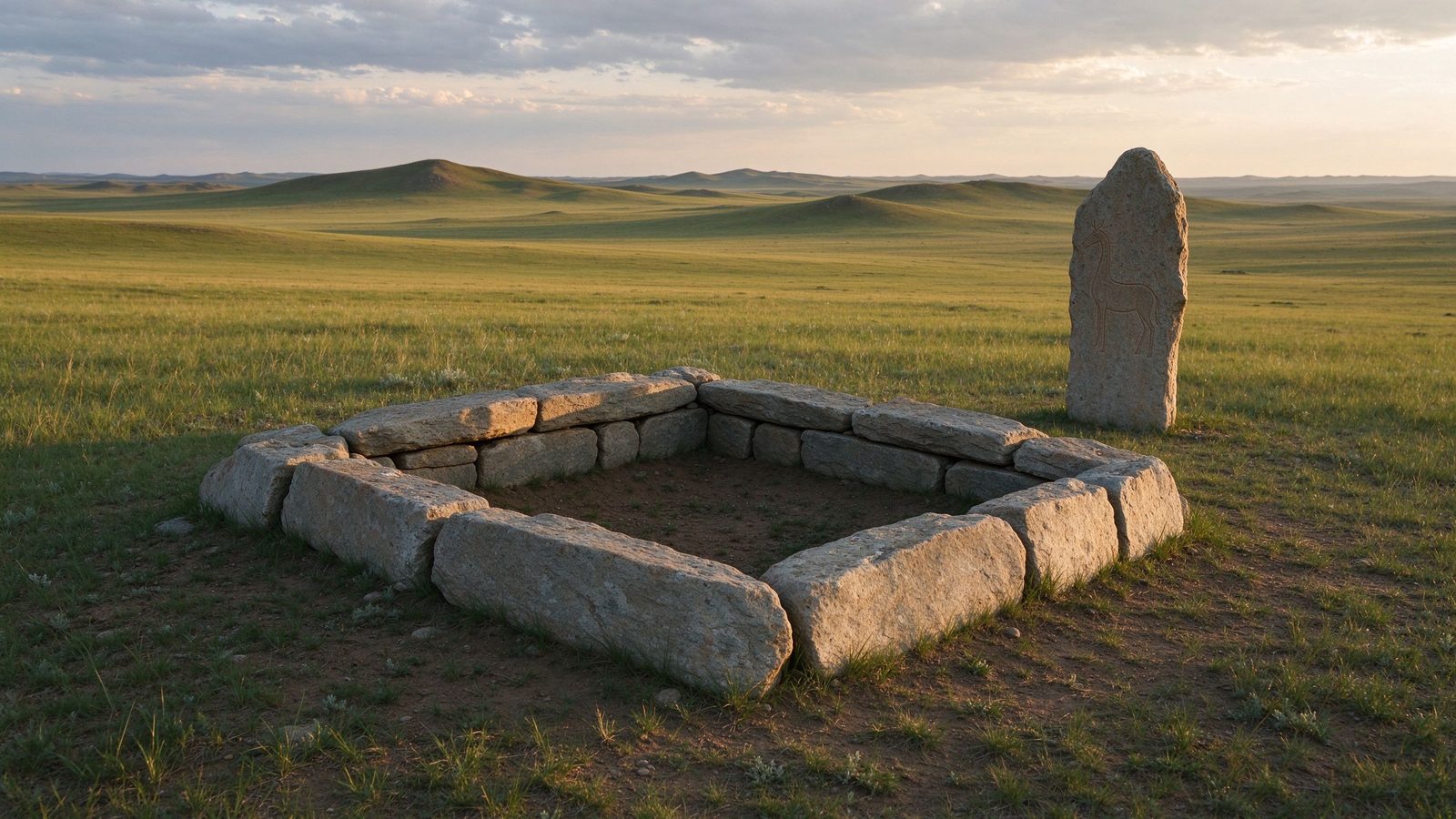
Analyzing 30 ancient genomes from central Mongolia, a Harvard-led team shows two genetically distinct Bronze Age herder groups coexisted for centuries with limited admixture, until the Early Iron Age Slab Grave expansion replaced them; the latter's minor western Eurasian ancestry traces to Afanasievo and Khemtseg populations.
This website uses cookies to improve your experience. By using this website you agree to our Data Protection Policy.