“Roots of Jingchu, Family Records for a Thousand Years”: Hubei’s 17th Genealogy Display Opens with Digitization and AI Root-Seeking
2026年9月29日
Ancient DNA of the Tang and Song Dynasties: From Chang’an Seated Burials to the Preserved Corpse of Jizhili
2026年10月6日The Genetic Landscape of the Tang and Song Eras: New Ancient DNA Discoveries from Chang’an to Frontier Clans
The Tang and Song periods were decisive for the formation of China’s demographic structure and cultural identity. In the past, we relied on texts and archaeology to imagine this era; today, ancient DNA research is writing “genetic evidence” into that history. Since 2026, a series of paleogenomic studies from Chang’an to frontier clans have been published, revealing a genetic landscape far more complex than the historical records alone.
As the eastern terminus of the Silk Road, the population composition of Tang Chang’an has long been a research hotspot. The study of seven ancient genomes from Tang-era Chang’an, published by Zhengzhou University’s “Zhonghuayuan” archaeological laboratory and collaborators, revealed for the first time the genetic structure of the capital’s population: some individuals were direct descendants of Neolithic Yellow River populations (such as Wadian, Pingliangtai and Haojiatai), while others were mixtures of Yellow River ancestry with roughly 3–15% West Eurasian components. The study showed that about 3% of the genetic makeup of present-day Shaanxi Han still carries West Eurasian origins, with the admixture dated at the latest to the Sui and Tang dynasties — the heyday of Silk Road trade and Han–non-Han intermarriage.
The same team also published a study in Science Bulletin covering genomes from four periods of the Central Plains — Western Zhou, Spring and Autumn, Tang and Qing: the 38 individuals showed that the genetic structure of the Central Plains population remained highly stable since the late Neolithic, with the Tang population carrying only about 1.5–2.7% Central Asian-related ancestry — a trace left by the Silk Road era in the “Yellow River gene pool” that did not alter its main profile. This conclusion corroborates the archaeological view of long-term Central Plains stability and explains why today’s Henan Han can be modeled as direct descendants of Tang-era Yellow River populations.
At the individual level, the most striking result is the genome of the Shatuo leader Li Keyong. In late April 2026, Fudan University’s techno-archaeology team published Li’s ancient DNA analysis in the Journal of Genetics and Genomics: the late Tang warlord’s paternal haplogroup belongs to the downstream branches of R1a-Z93 (linked to the expansion of Sintashta/Andronovo populations), his maternal haplotype is C4a1a+195 (common in northern nomadic populations and the Han), and his overall ancestry is approximately 53.4% ancient Northeast Asian and 46.6% West Eurasian steppe. The combination of a “Western paternal lineage and Eastern maternal lineage” corroborates the origin of the Shatuo as a multi-ethnic political alliance. The team also reconstructed his appearance — black or dark brown hair and relatively light skin — and found he carried the rapid-acetaldehyde-accumulation alcohol metabolism genotype: he was physiologically a poor drinker. Domestic genetic testing companies, tracking against modern population databases, found that Li’s paternal marker R-MF508080 still counts roughly 38,000 male descendants today, mainly in Henan, Shanxi, Shaanxi, Hebei and Qinghai.
Family-scale research also broke new ground. The study of the Tang Chen clan at Naobaowan, published in Current Biology by Fudan University and collaborators (covered in a dedicated article on this site), used 38 genomes to reconstruct a four-generation core family and three paternal branches, revealing how a frontier elite clan absorbed steppe ancestry through female exogamy.
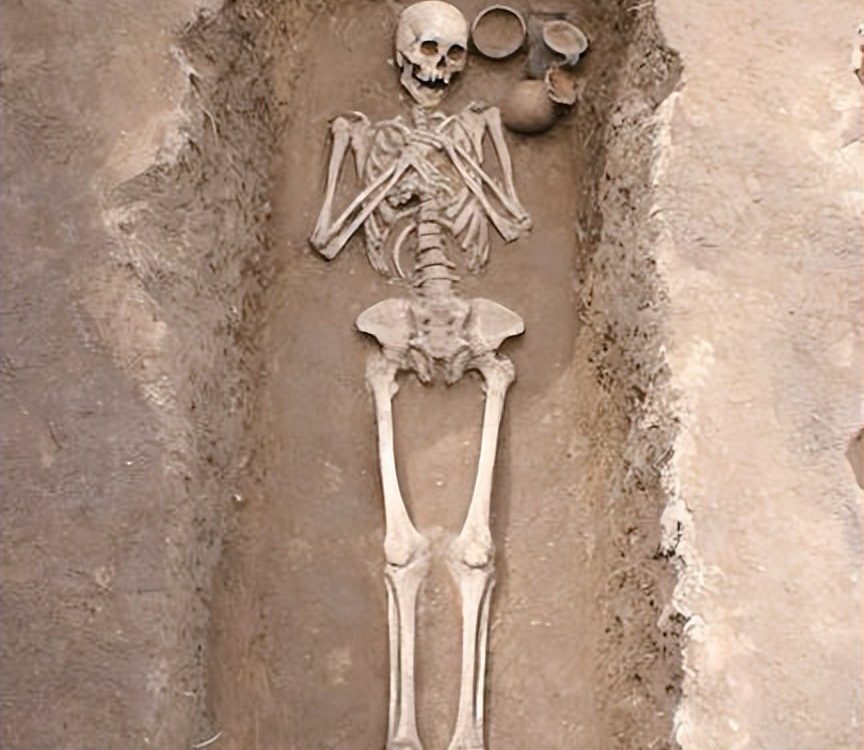
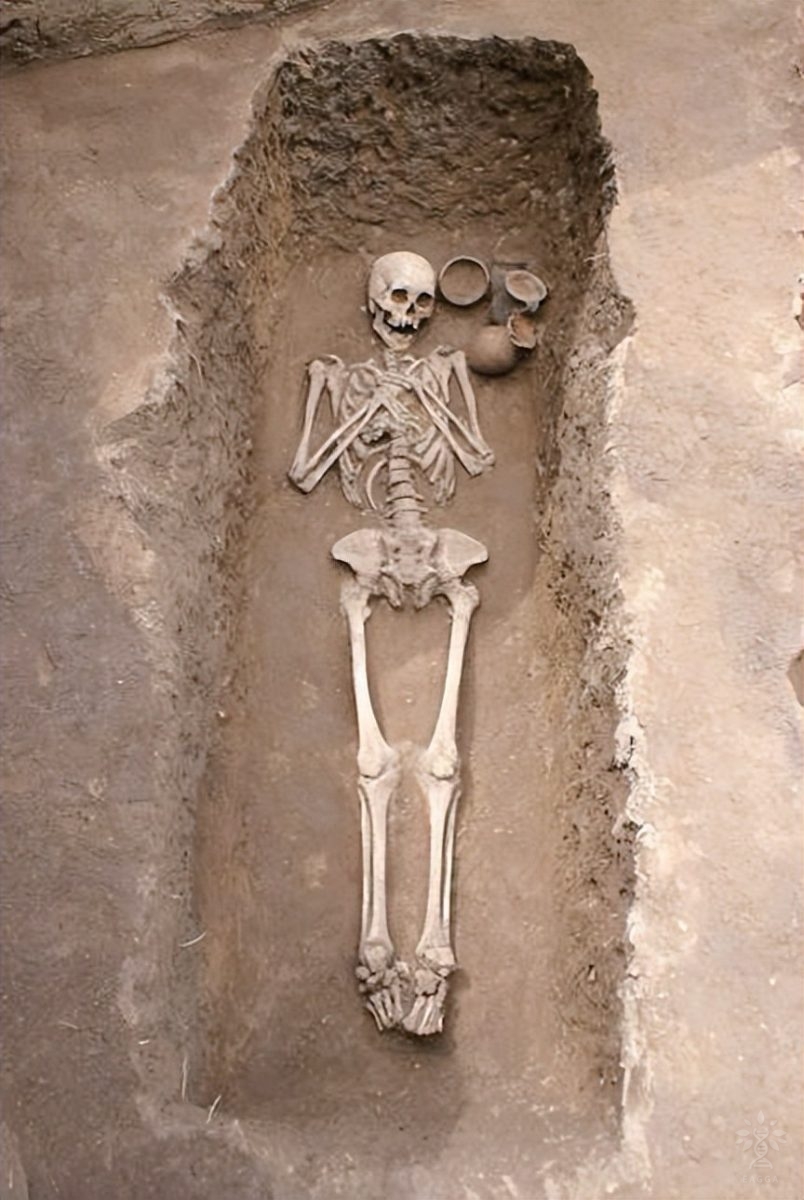
Cases from commoner cemeteries let us glimpse the lives of ordinary people in the Tang and Song. The study of Tomb M7 at the Yusi site in Mengzhou, Henan, by the Henan Provincial Institute of Cultural Relics and Archaeology and Jilin University, analyzed three individuals from the same tomb — an adult woman and two infants. All three share the mitochondrial haplogroup D5; combined with burial practice, they may belong to one maternal family. Their genetic profile broadly matches late Neolithic populations at Haojiatai and Pingliangtai, showing that the genetic substrate of Central Plains commoners persisted from the late Neolithic into the early Tang. Bioarchaeological evidence further suggests the three may have suffered from infectious lung disease — the simultaneous deaths of all three may record the tragedy of an epidemic.
Frontier–Central Plains interaction is equally clear in the genomes. Skeletal analysis at the Fudamen cemetery in Shandong showed that the tomb owner, surnamed An, carried Eurasian or Central Asian genetic components — likely a Sogdian or his descendant — yet was fully sinicized: the influence of Tang-era foreign exchange had already entered the daily life of local society. Further west along the eastern Tianshan corridor, studies show that from Han to Tang, the ancestry related to Yellow River farming populations among local people rose to roughly 52–91%, leaving a lasting genetic trace of Central Plains migration and military colonization.
Together, these findings answer a classic question in Tang-Song history: how did population movement actually happen? The answer is plural. In Chang’an, East and West Eurasian components blended slowly through intermarriage. In the Central Plains heartland, foreign genes flowed in like small streams without shifting the mainstream. On the frontiers, a Han-style patrilineal clan with steppe maternal lineages, and the East–West admixture of the Shatuo elite, showed strikingly different modes of integration. They jointly form the genetic footnote of the “pluralistic unity of the Chinese nation” during the Tang-Song era.
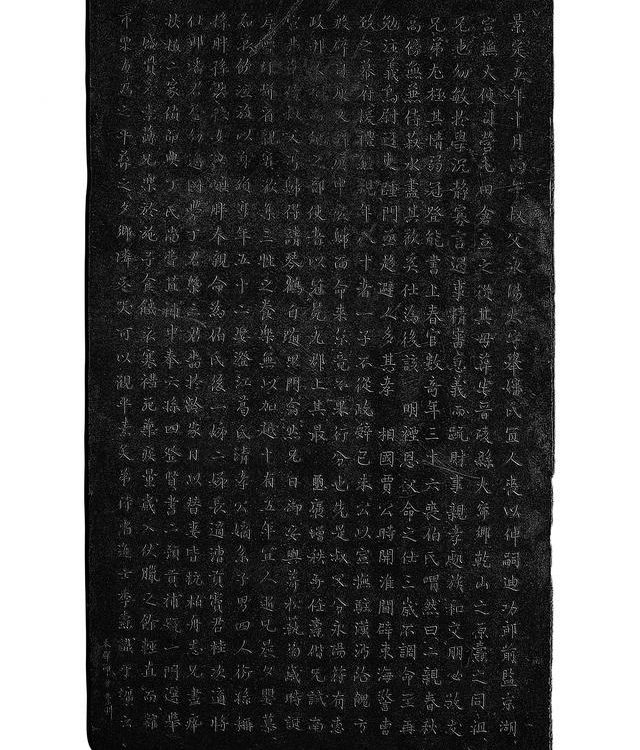
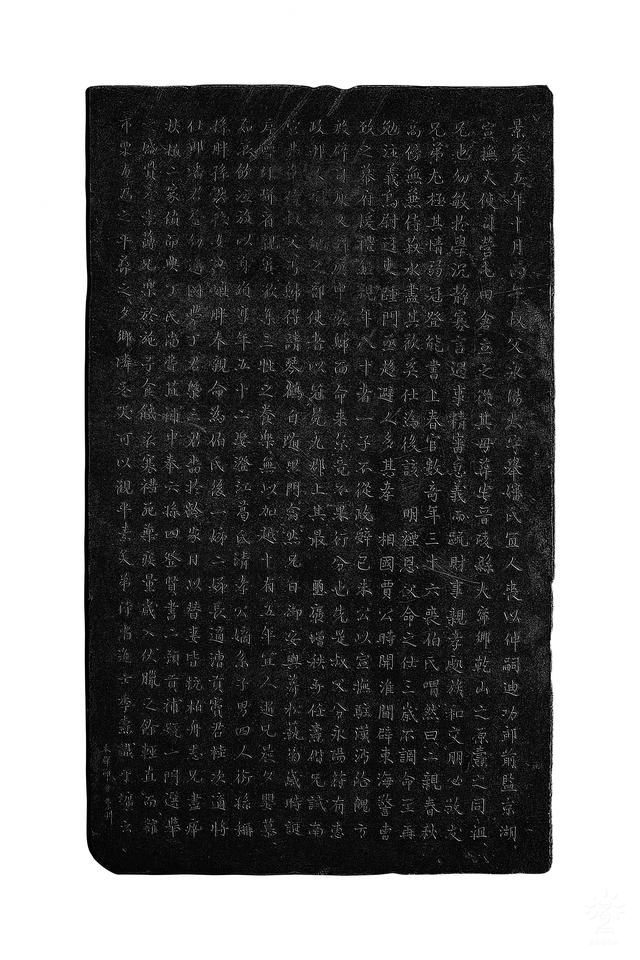
For genetic genealogy researchers, Tang-Song ancient DNA offers a unique frame of reference: this is the period with the richest historical texts and most verifiable genealogies, where genomes, epitaphs and family records can cross-check one another. When a Tang clan’s epitaph matches its Y-chromosome haplogroup, the two-track “genealogy + genetics” method gains its most solid case base; and the tracking of Li Keyong’s descendants shows how ancient DNA can connect to modern population databases, allowing a thousand-year lineage to find its living people.
From Chang’an to frontier clans, from emperors to commoners, the 2026 Tang-Song ancient DNA studies are progressively completing the “genetic portrait” of historical populations. As more genomes from capital sites and cemeteries are published, our understanding of this era will rest not only on written records, but on evidence preserved in the bones.