Have any questions?   ✉ service@eagga.org

✕

Exploring genetic evidence in individual, family and lineage research, including kinship, pedigree reconstruction and comparison with traditional genealogies, with attention to methodological limits and responsible interpretation.

2026年8月18日
父系世代传承与DNA双螺旋概念图(AI生成)

MyHeritage Launches Y-DNA Analysis: Paternal Genetic Genealogy Goes Mainstream

On 17 August 2026, MyHeritage introduced Y-DNA analysis directly into its DNA results, letting eligible biological male users obtain an estimated Y-DNA haplogroup and paternal migration information without another test — distinct in scope from professional tests such as FamilyTreeDNA's Big Y-700, and a milestone in making paternal genetic genealogy mainstream.
2026年8月4日
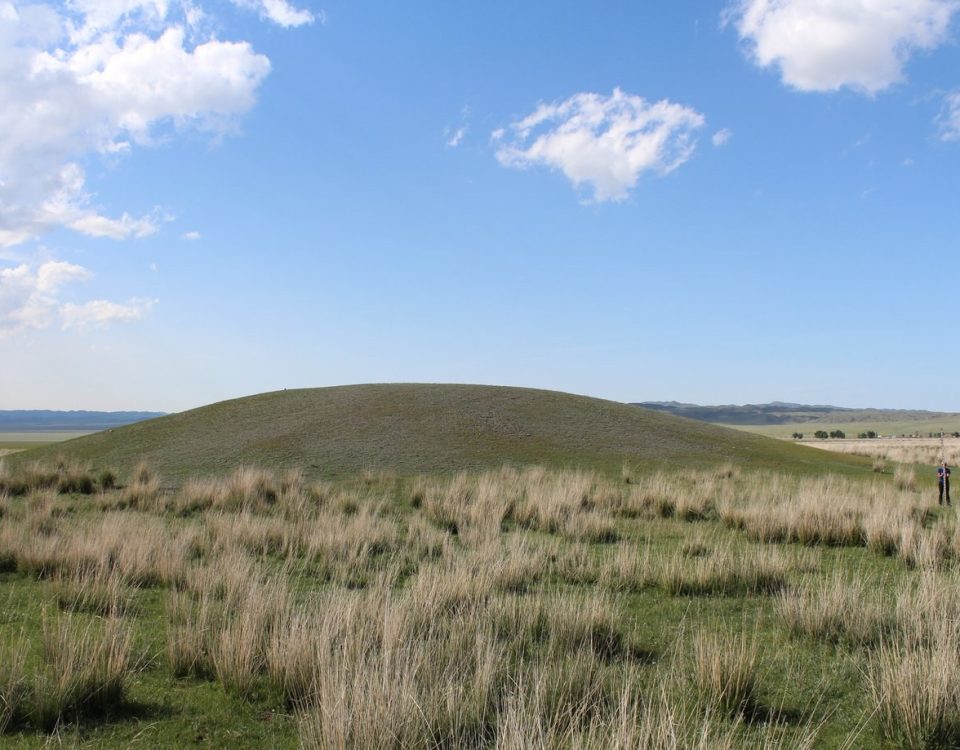
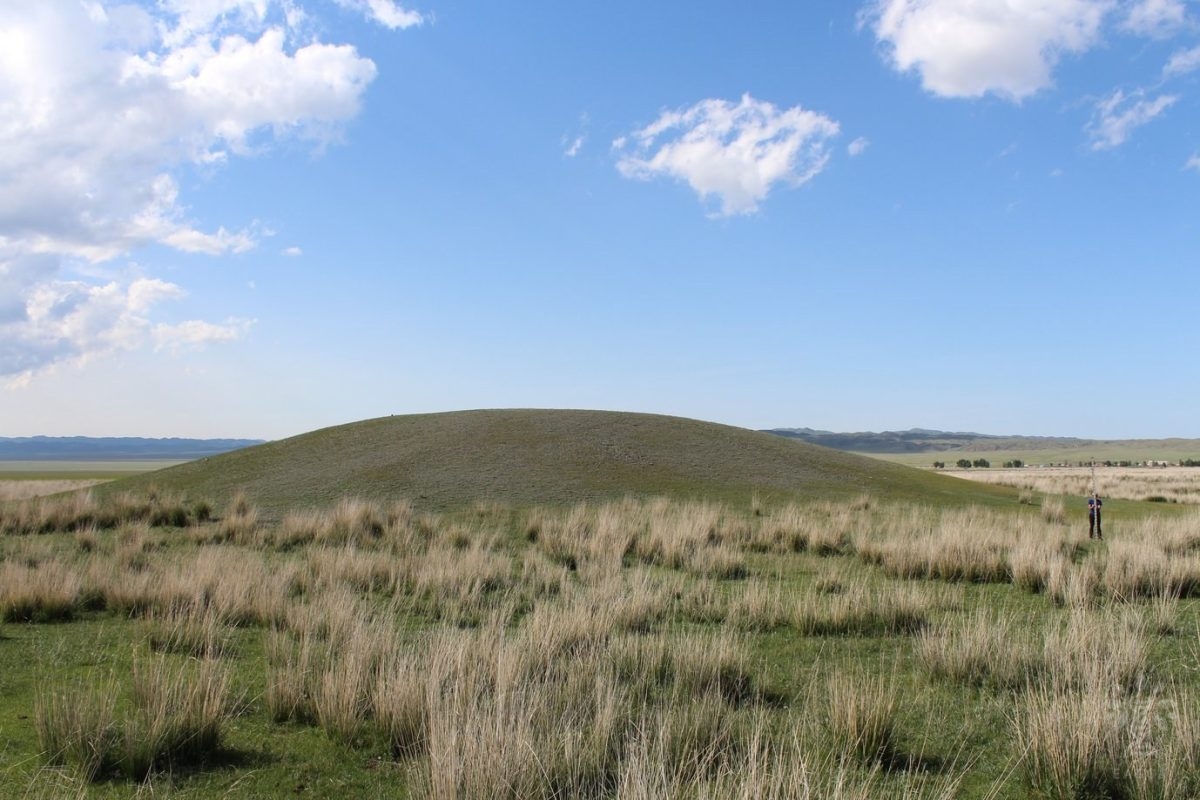
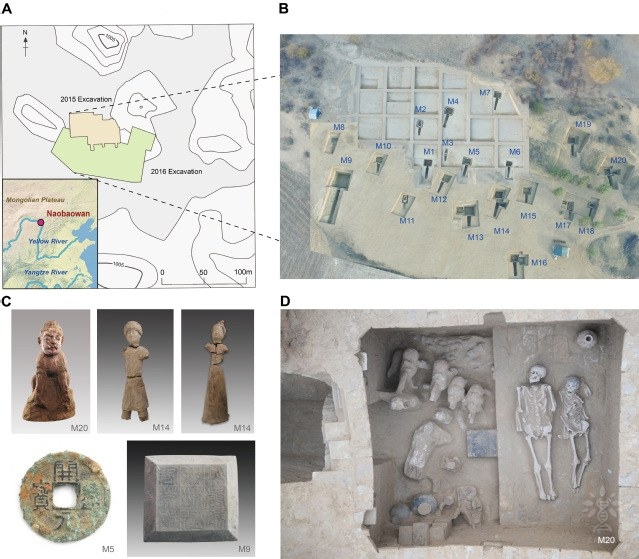
脑包湾墓群考古背景图

Current Biology: 38 Ancient Genomes Reveal Female Exogamy and Ethnic Interaction in a Tang Dynasty Frontier Clan

A study led by Fudan University's Wang Chuanchao group in Current Biology analyzes 38 ancient genomes from the Naobaowan cemetery of the Chen clan in Inner Mongolia: a uniform paternal haplogroup, highly diverse maternal lineages, and several women carrying high proportions of West Eurasian steppe ancestry buried in the core cemetery — family-level evidence of frontier ethnic interaction in Tang China.
2026年7月21日
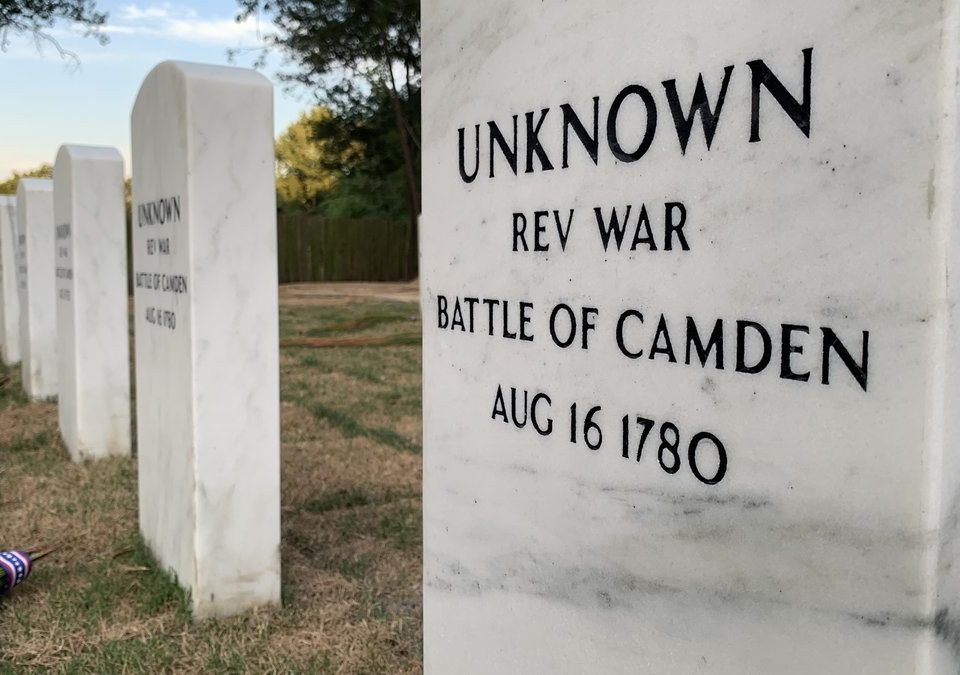
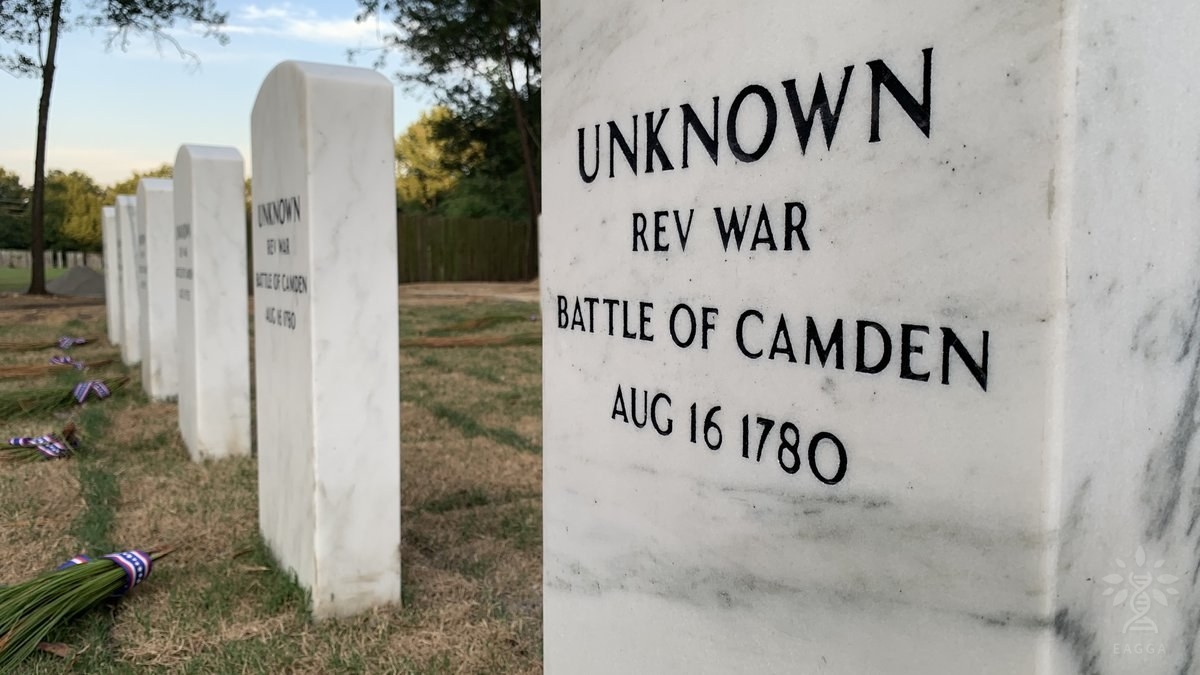
康登战役无名士兵墓碑

Genetic Genealogy Solves a 250-Year Cold Case: DNA Identifies an Unknown Teenage Soldier of the American Revolution

A teenage Continental Army soldier killed at the 1780 Battle of Camden and buried in an unmarked grave has been identified through genetic genealogy as Private John Pumphrey — autosomal, X and Y chromosome DNA plus archival research converged, yielding some 20,000 DNA matches with living relatives, the first identification of an 18th-century casualty using a genetic genealogy profile.
2026年5月26日
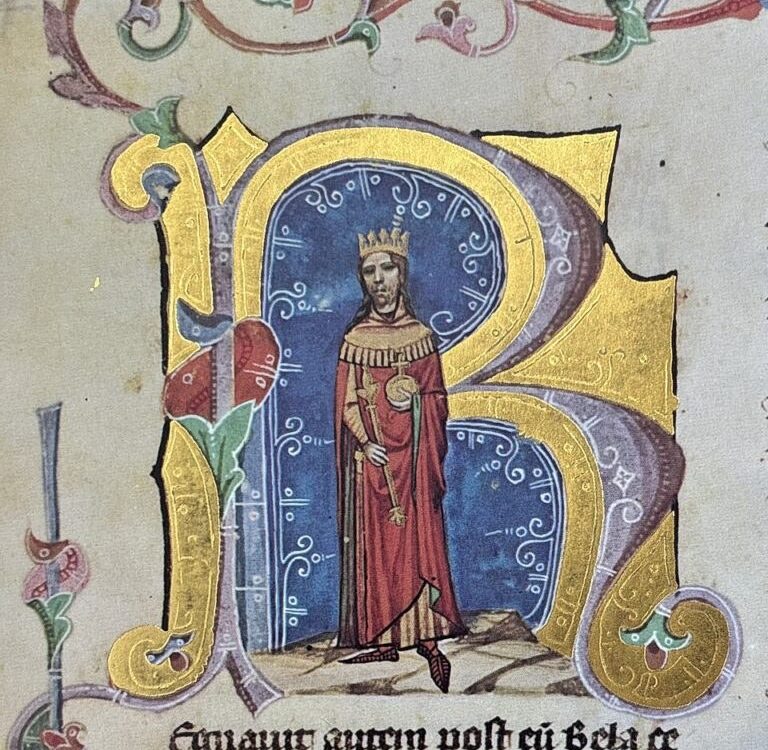
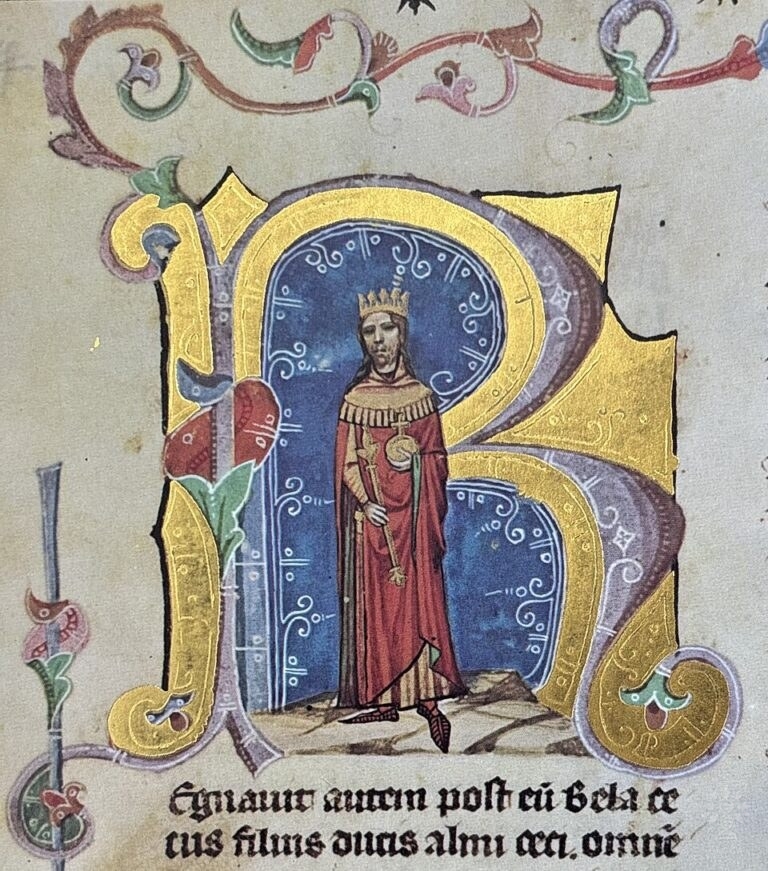
Piast dynasty medieval manuscript Konrad I

Unraveling the Piast Dynasty: How Polish Scientists Rebuilt the Genetic Family Tree of a Millennium-Old Royal House

After more than a decade of work, Polish scientists have reconstructed the genetic family tree of the Piast dynasty — confirming ten royal burials among 33 skeletons, pinpointing the rare Y-chromosome haplogroup R1b-BY3549, and tracing maternal links to six major European royal houses in a landmark study of medieval dynastic genetics.
2026年5月11日

Re-understanding the Issue of Confucius’ Descendants from the Perspective of Genetic Genealogy

his paper re-examines the issue of Confucius’ descendants from the perspective of genetic genealogy. It clarifies the research boundaries of genetic genealogy, arguing that its core value lies in restoring the formation mechanism of clans rather than judging the authenticity of bloodlines, and establishes an interdisciplinary research paradigm that balances scientific rationality and Confucian tradition.
Re-understanding the Issue of Confucius’ Descendants from the Perspective of Genetic Genealogy
This website uses cookies to improve your experience. By using this website you agree to our Data Protection Policy.
Read more