Exploring population origins, migrations, interactions and change in East Asia and connected regions through ancient and modern genetic evidence, archaeology and history.

2026年7月16日

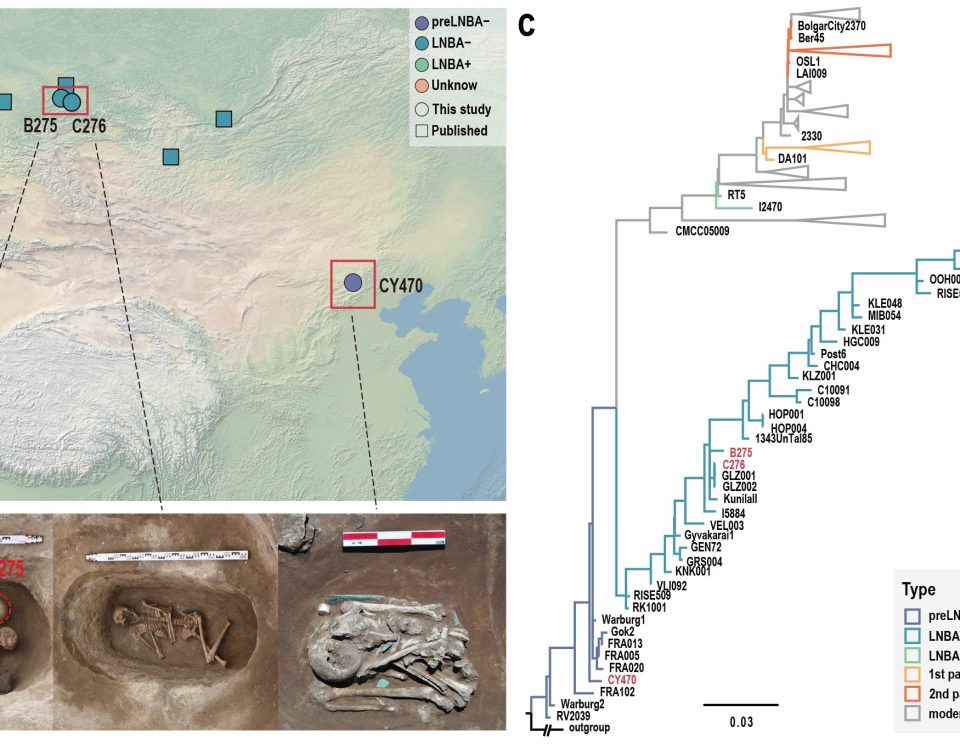
Maternal Genetic History of the Western Zhou Ba State: 207 Ancient Mitogenomes from Dahekou Reveal Two Millennia of Continuity in the Yellow River Basin

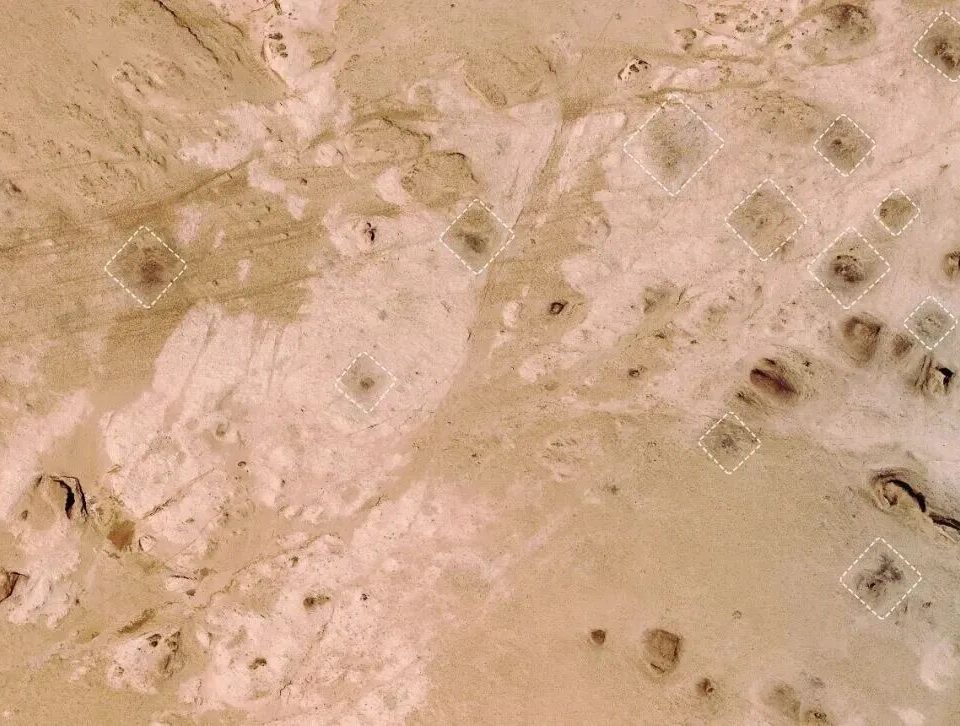
A Jilin University team obtained complete mitogenomes from 207 individuals at the Dahekou cemetery (Shanxi), revealing strong maternal continuity between the Western Zhou Ba state and late Neolithic Yellow River populations (Taosi, Shimao cultures), plus Bronze Age exchanges with upper and lower Yellow River groups.
2026年7月10日

Interview with Fu Qiaomei: Ancient human evolution research to extend toward “older” and “closer to prehistory” times

Fu Qiaomei's team won a National Natural Science Award (2nd class) for tracing East Asian population evolution since the Last Glacial Maximum. In this interview, ancient DNA research is set to extend both older and closer to prehistory, covering glacial adaptation, northern-southern ancestry, and frontier interactions.
2026年5月14日

Chinese scientists retrieve lineage-specific genetic information from 400,000-year-old Homo erectus for the first time

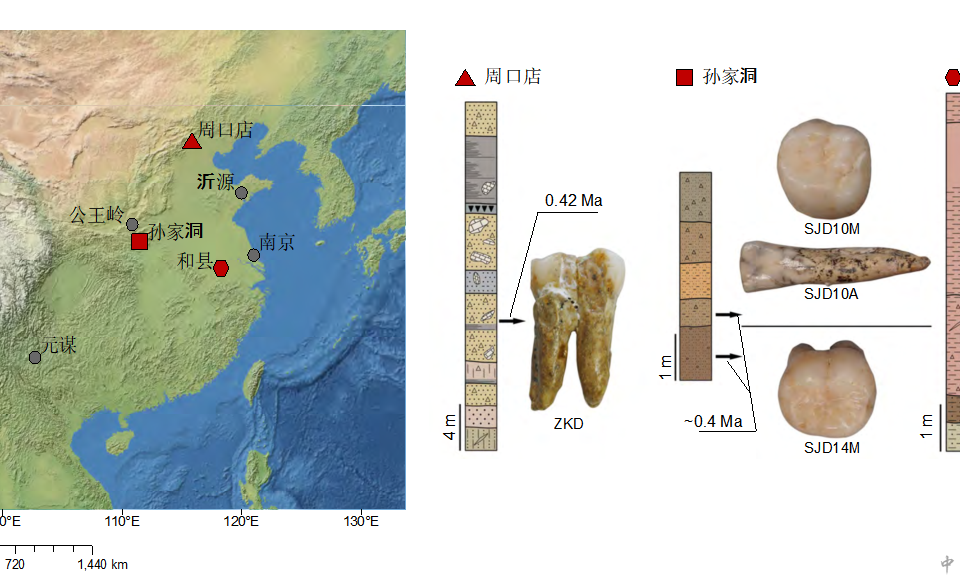
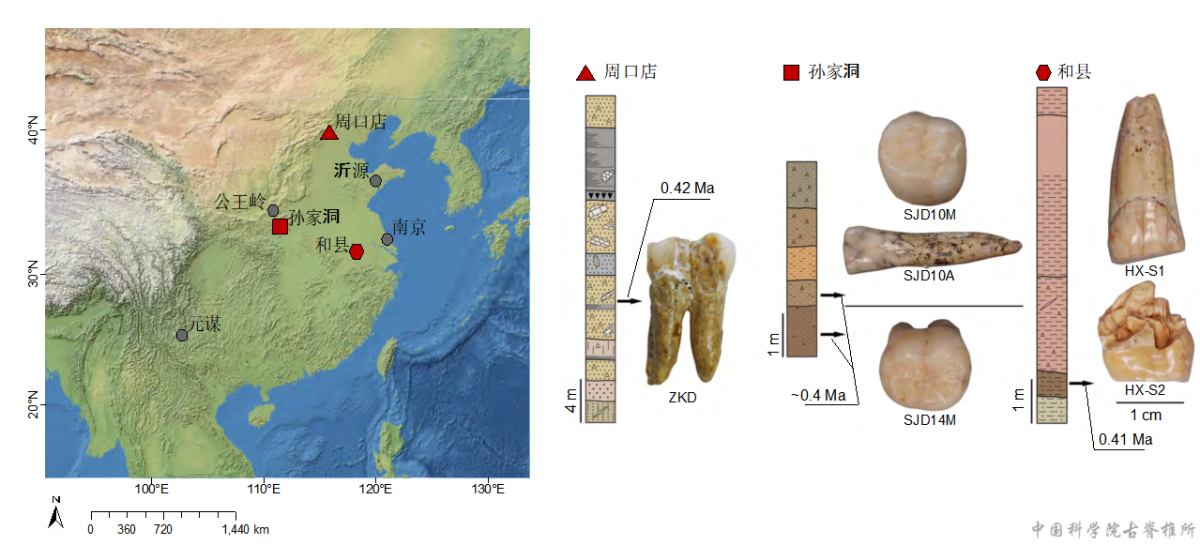
Published online in Nature on May 13, 2026, a study by Professor Qiaomei Fu’s team retrieved lineage-specific enamel protein information from ~400,000-year-old Homo erectus teeth from Zhoukoudian, Hexian and Sunjiadong, confirming that East Asian erectus formed a single evolutionary population whose genes may have reached modern humans via the Denisovans.
2026年5月11日

Ancient genomes give insight into 160,000 years of East Asian population dynamics and biological adaptation

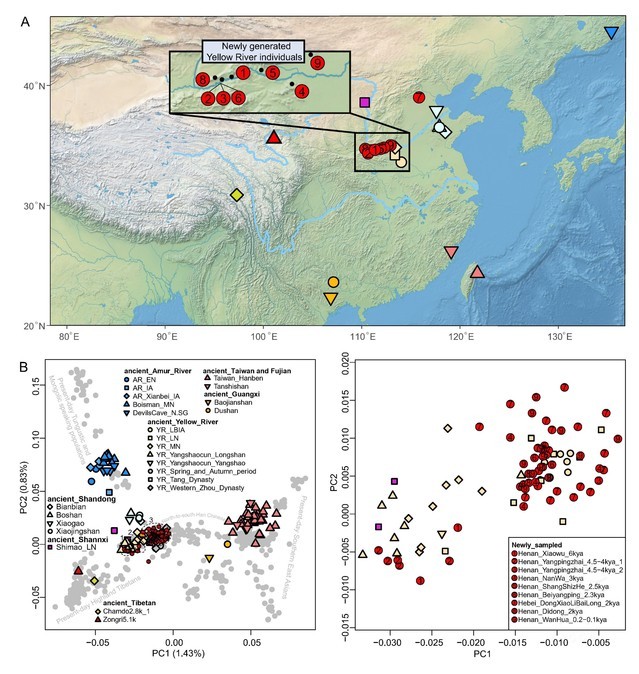
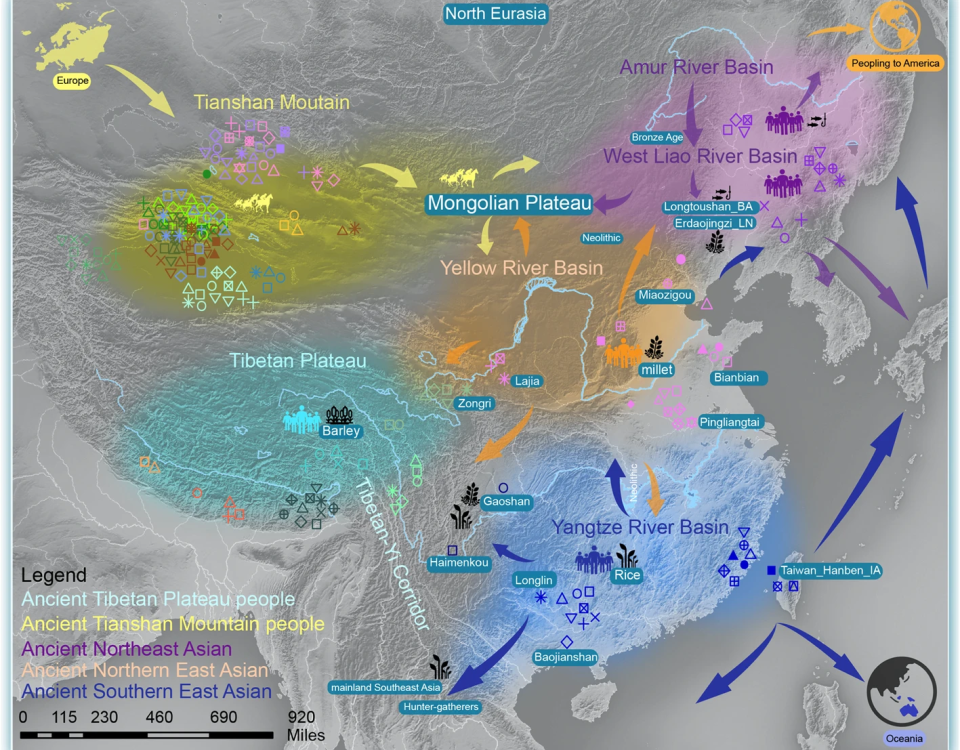
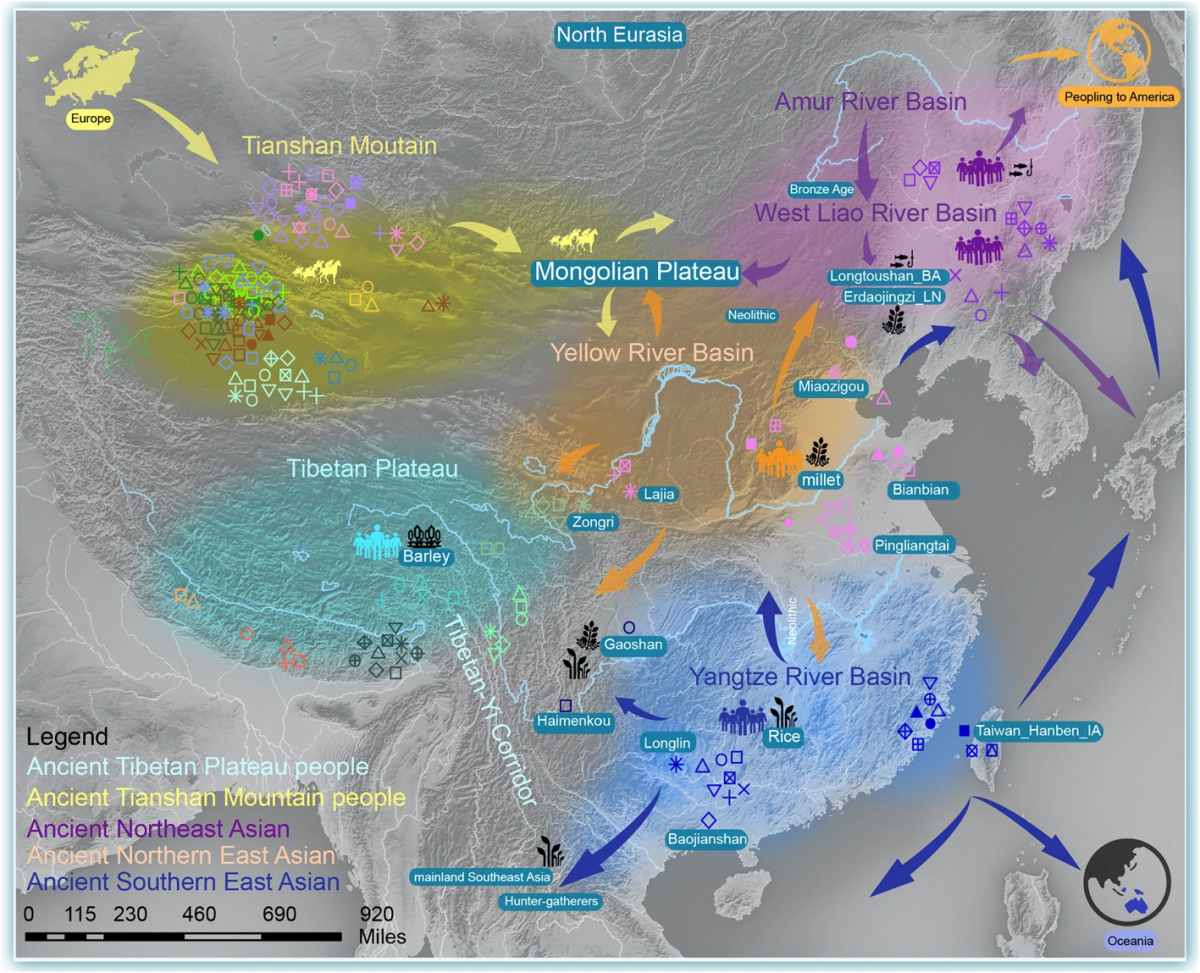
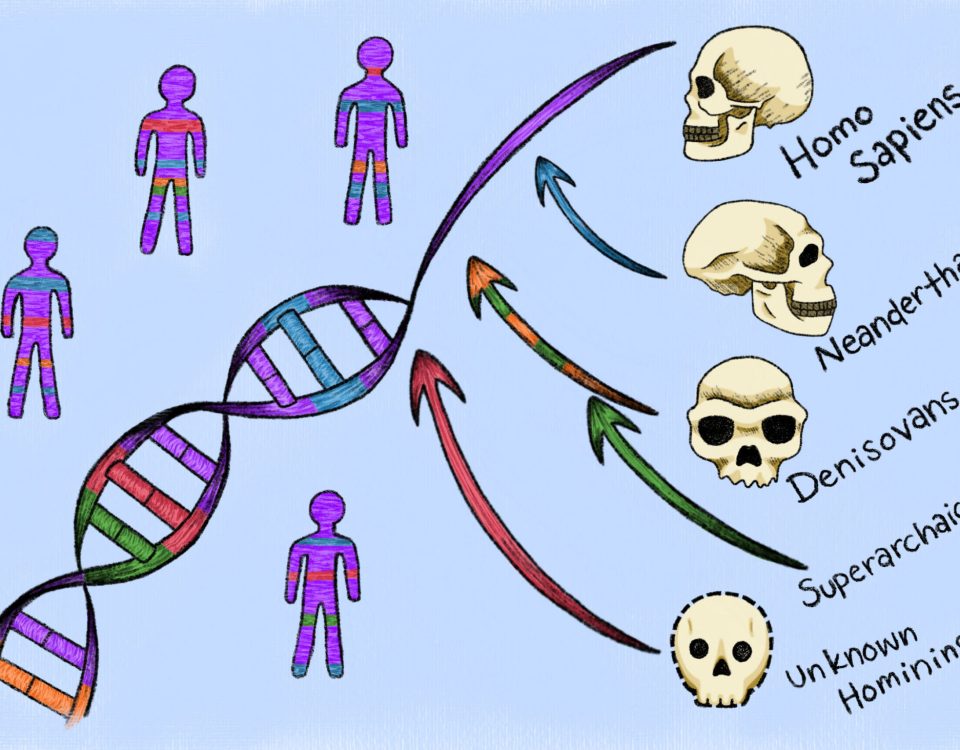
This study uses ancient and modern population genomics to reconstruct 160,000 years of East Asian demographic dynamics. It reveals archaic introgression, multi-wave population migration and trans-Eurasian genetic admixture. It also uncovers biological adaptation signatures of plateau populations and agricultural groups, clarifying the formation process of East Asian genetic structure and the linkage between human dispersal, cultural exchange and genetic evolution.
Ancient genomes give insight into 160,000 years of East Asian population dynamics and biological adaptation
This website uses cookies to improve your experience. By using this website you agree to our Data Protection Policy.
Read more