Have any questions?   ✉ service@eagga.org

✕
2026年10月29日
中国传统白酒与酒杯静物

Why Do Many East Asians Turn Red When They Drink? The Evolution and Health Code of Alcohol-Metabolism Genes

Using 90,000+ Taiwan Biobank participants, researchers found that carriers of the common East Asian ALDH2 loss-of-function variant show lower serum ALT after drinking, so liver injury is easily underestimated; mouse experiments confirmed ALDH2 deficiency suppresses hepatic ALT via a transcription factor, urging genotype-aware clinical interpretation.
2026年10月27日
客家祠堂门楼与牌匾(真实照片)

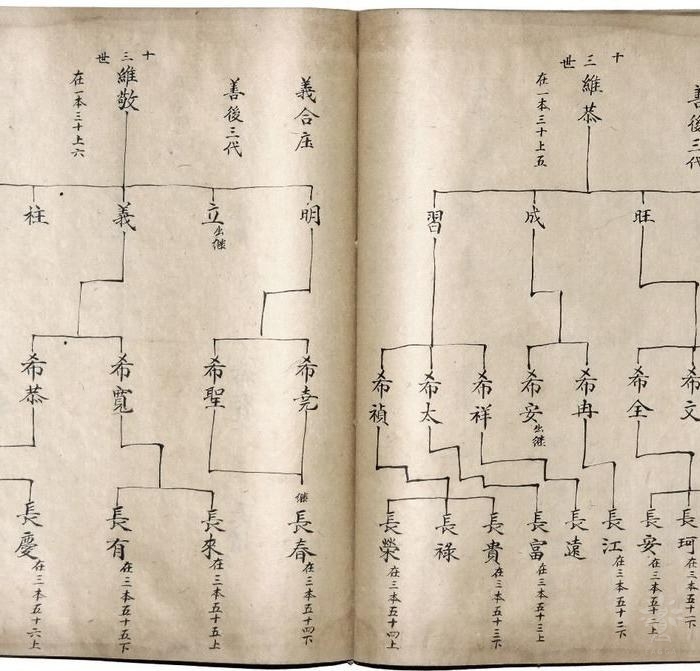
Nostalgia Written in Hall Names: Junwang, Tanghao and the Root-Tracing Code of East Asian Surname Culture

From the “Longxi Hall,” “Jiangxia Hall” and “Xingyang Hall” plaques on ancestral shrines to the surname order in the Hundred Family Surnames, junwang and tanghao form the “geographic coordinates” of Chinese identity. In 2026, a renewed wave of surname culture has brought the migration histories and genealogy traditions behind hall names back into public view.
2026年10月24日
Y染色体谱系与人群迁徙概念图(AI生成,无文字)

The “Time Code” of the Y Chromosome: Large-Scale Lineage Studies Reconstruct East Asian Paternal History

Two large-scale Y-chromosome studies published in early 2026 integrated nearly 18,000 modern individuals and about 1,000 ancient samples to build the most detailed paternal phylogenetic framework for East Asia to date — from Paleolithic migrations along the southern Himalayas to Neolithic expansions driven by millet and rice farming.
2026年10月22日
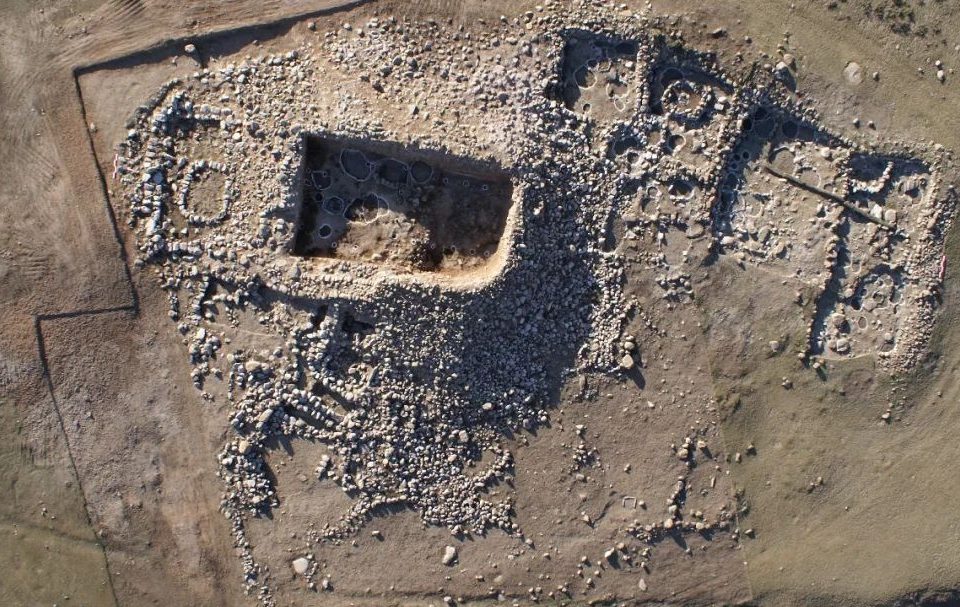
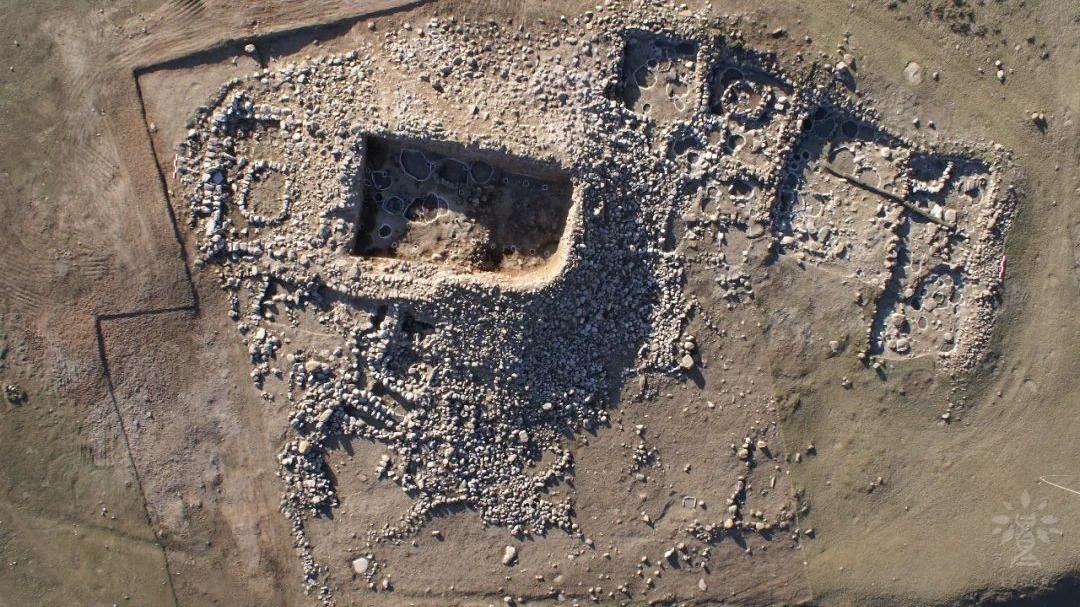
东天山石构墓葬与聚落遗址航拍

Ancient Genomes from the Eastern Tianshan: Where East Asian and North Asian People Met in the Bronze Age

A Science study by Northwest University and CAS IVPP analyzed 135 ancient genomes from 11 Eastern Tianshan sites, showing the Bronze Age core population was a roughly half-East Asian (Yellow River millet farmers) and half-North Asian (Chemurchek) blend—the earliest evidence of such admixture in Xinjiang—and that multi-regional contacts predate the Silk Road by about 1,800 years.
2026年10月22日
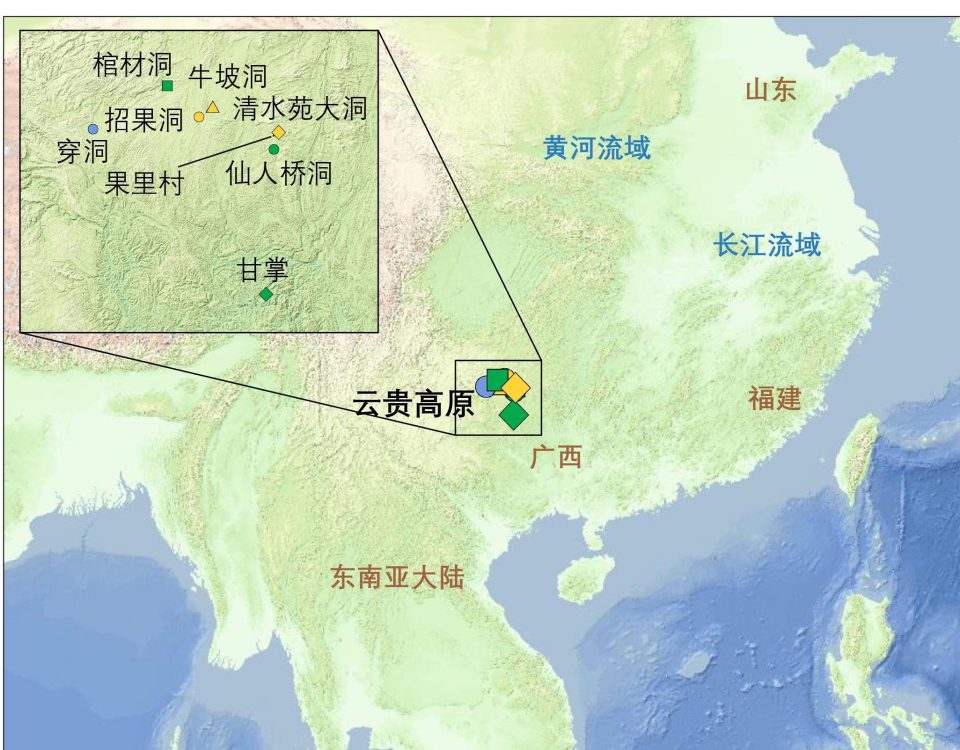
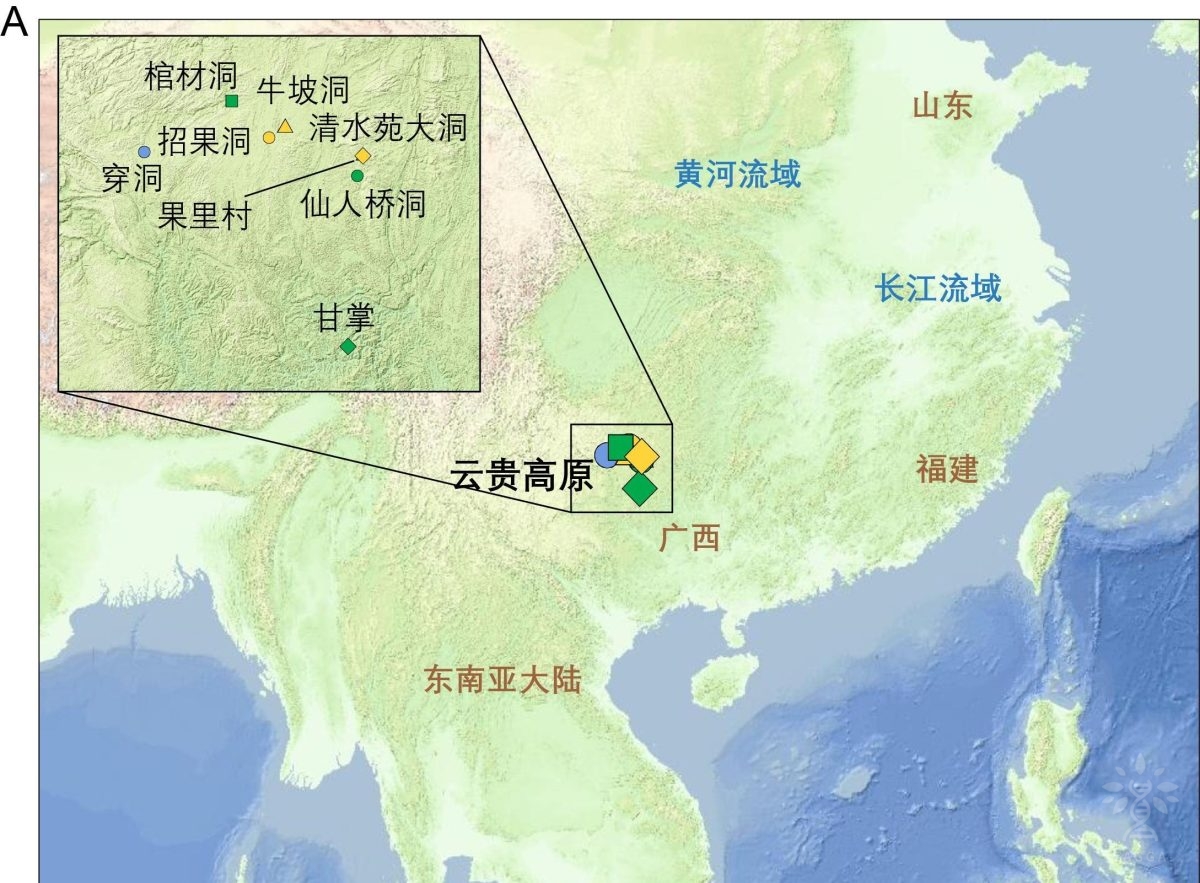
贵州遗址分布与年代

Twelve Thousand Years of Population Turnover: Guizhou Ancient Genomes Rewrite the Prehistory of Southwestern East Asia

A National Science Review study led by Fu Qiaomei's team analyzed 50 ancient genomes from eight Guizhou sites spanning ~12,000–300 years ago, showing Paleolithic Guizhou groups already carried East Asian northern ancestry, that the local basal-ancestry population was replaced before the Bronze Age by Austroasiatic-related people from central Yunnan, and that genetic differences between language groups persisted into historical times.
2026年10月21日
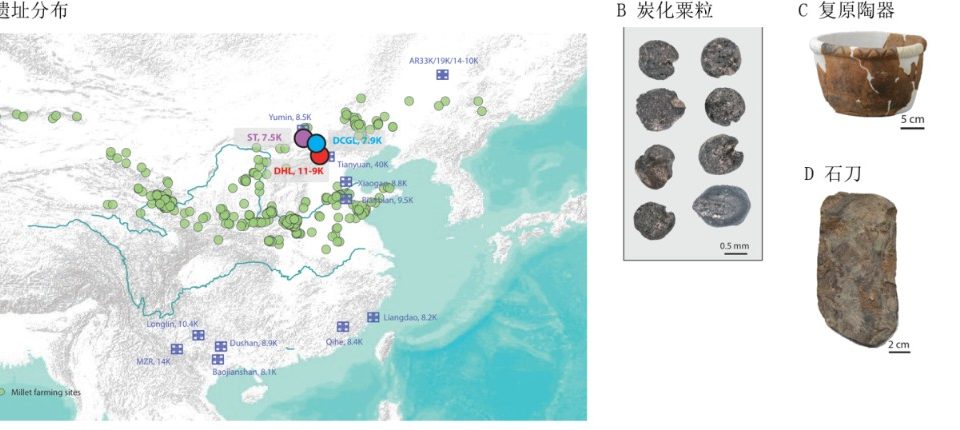
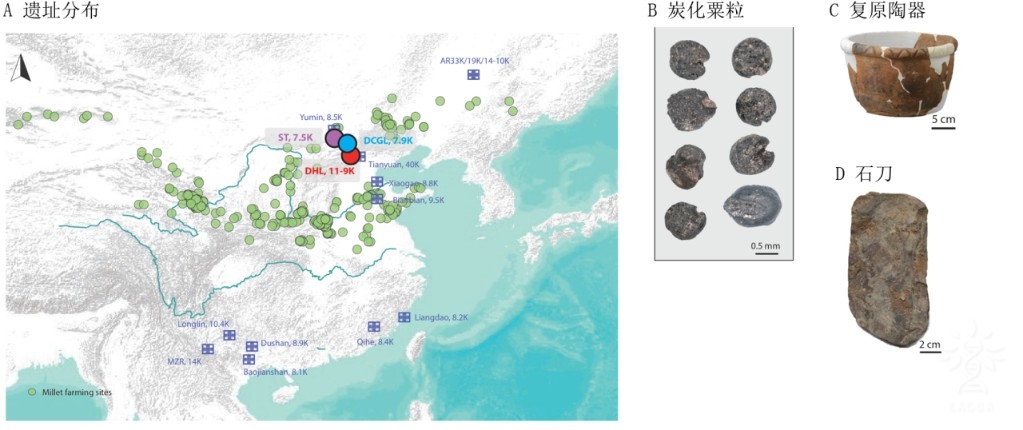
黄河流域粟作研究遗址分布与遗物

The 11,000-Year-Old “Millet Road”: Seven Ancient Genomes from Donghulin Point to a Local Origin for Early Millet Farming

Genomes from seven ancient individuals at Beijing's Donghulin and Hebei's Dengcaogouliang and Sitai sites, published in Science Advances (Oct 16, 2026), show a stable northern inland genetic background lasting over 3,000 years while millet-based diets expanded — strong evidence that early millet farming arose mainly among local populations.
The 11,000-Year-Old “Millet Road”: Seven Ancient Genomes from Donghulin Point to a Local Origin for Early Millet Farming
This website uses cookies to improve your experience. By using this website you agree to our Data Protection Policy.
Read more