
Have any questions?   ✉ service@eagga.org

✕
2026年11月9日
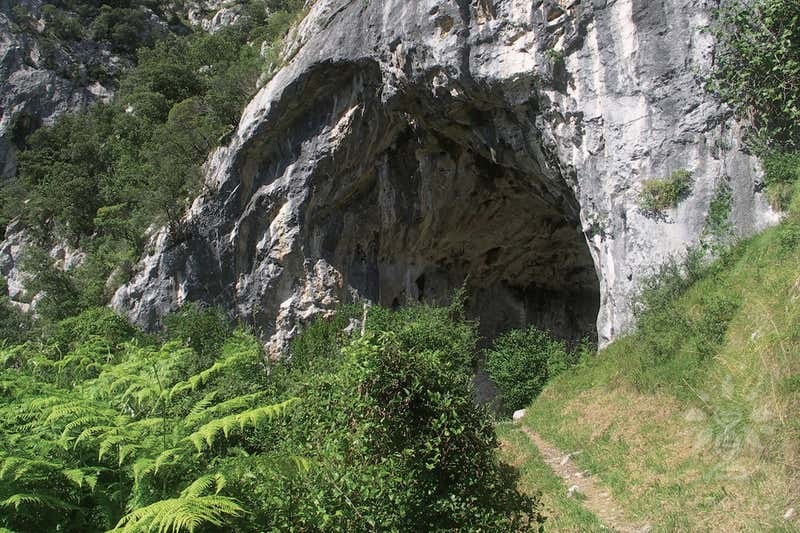
西班牙坎塔布里亚 El Mirón 洞穴入口

No Bones Needed: Cave Sediment from 22,000 Years Ago Rewrites Ice Age Population History

A University of Vienna team extracted human nuclear DNA from a roughly 22,000-year-old sediment layer in El Mirón Cave, Spain, recovering some 14,700 SNPs. Combined with new genomes from France, Spain and Italy, the work shows gene flow between eastern and western Gravettian groups around 32,500–31,500 years ago, and reveals that Fournol-related ancestry persisted in southwestern Europe through the Last Glacial Maximum.
2026年10月22日
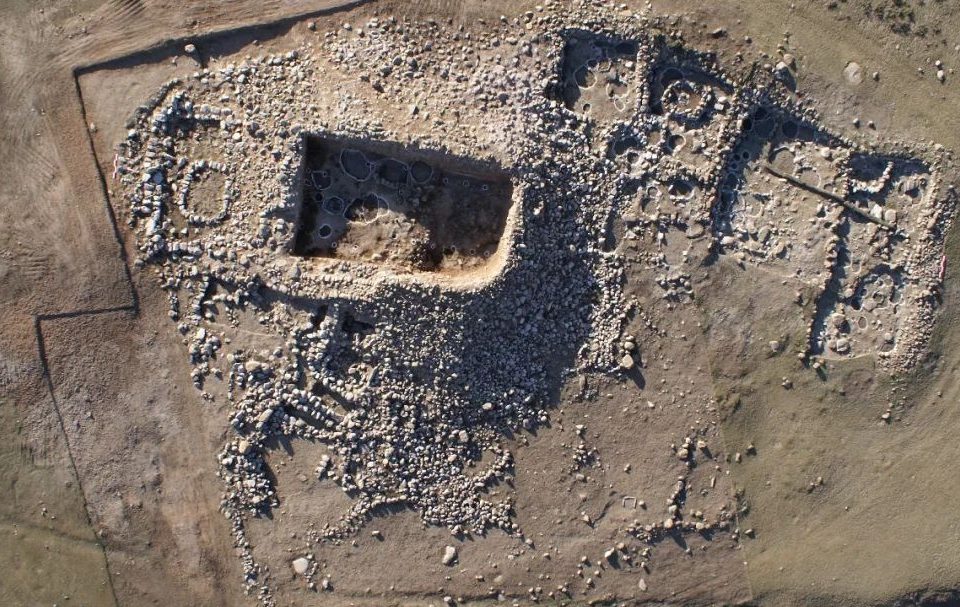
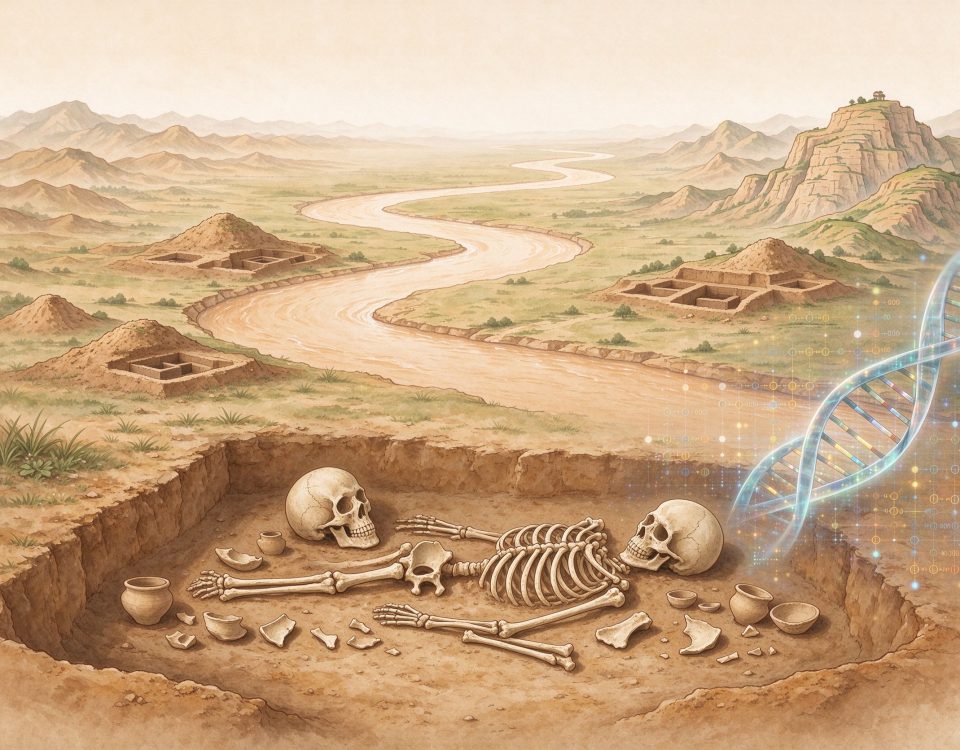
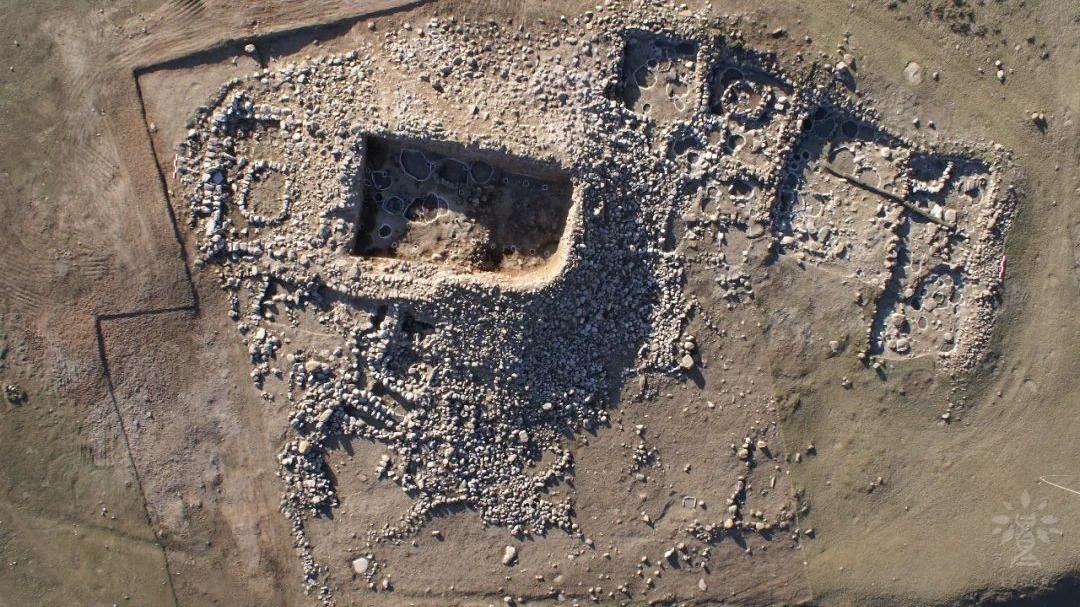
东天山石构墓葬与聚落遗址航拍

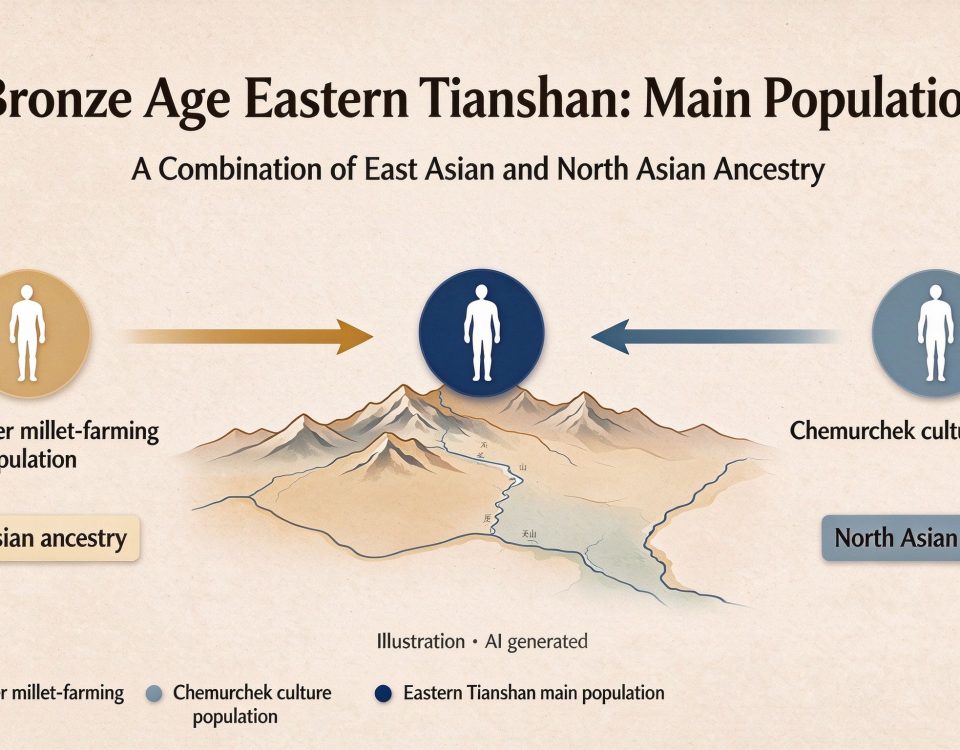
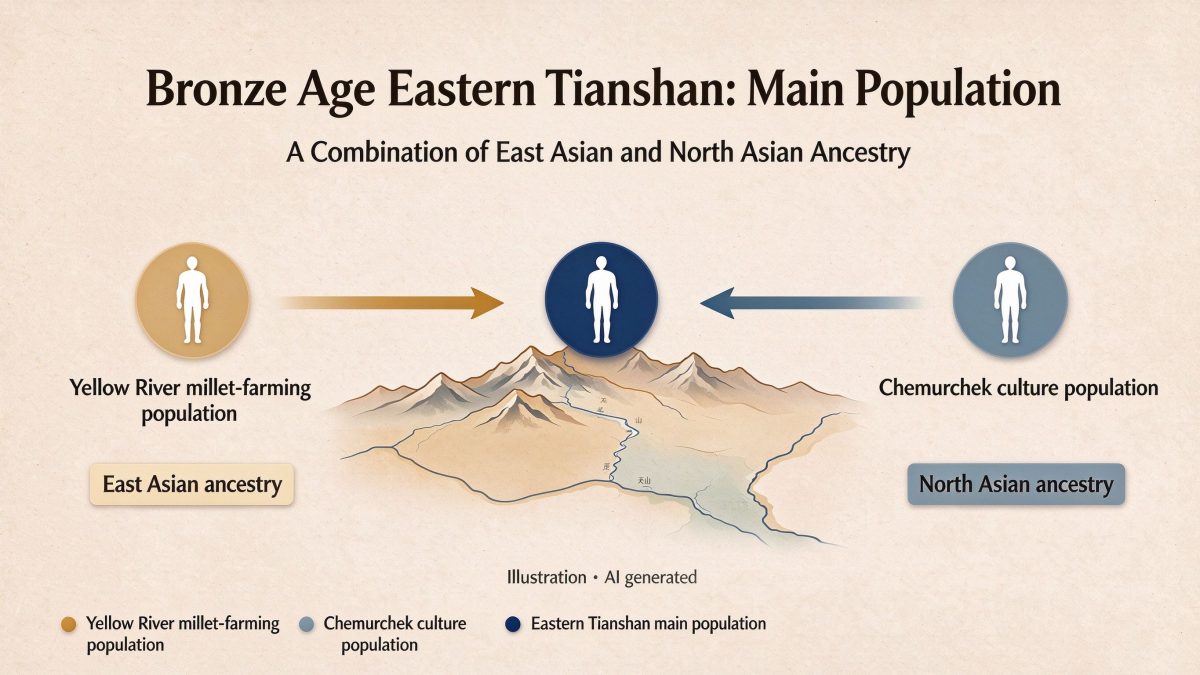
Ancient Genomes from the Eastern Tianshan: Where East Asian and North Asian People Met in the Bronze Age

A Science study by Northwest University and CAS IVPP analyzed 135 ancient genomes from 11 Eastern Tianshan sites, showing the Bronze Age core population was a roughly half-East Asian (Yellow River millet farmers) and half-North Asian (Chemurchek) blend—the earliest evidence of such admixture in Xinjiang—and that multi-regional contacts predate the Silk Road by about 1,800 years.
2026年10月22日
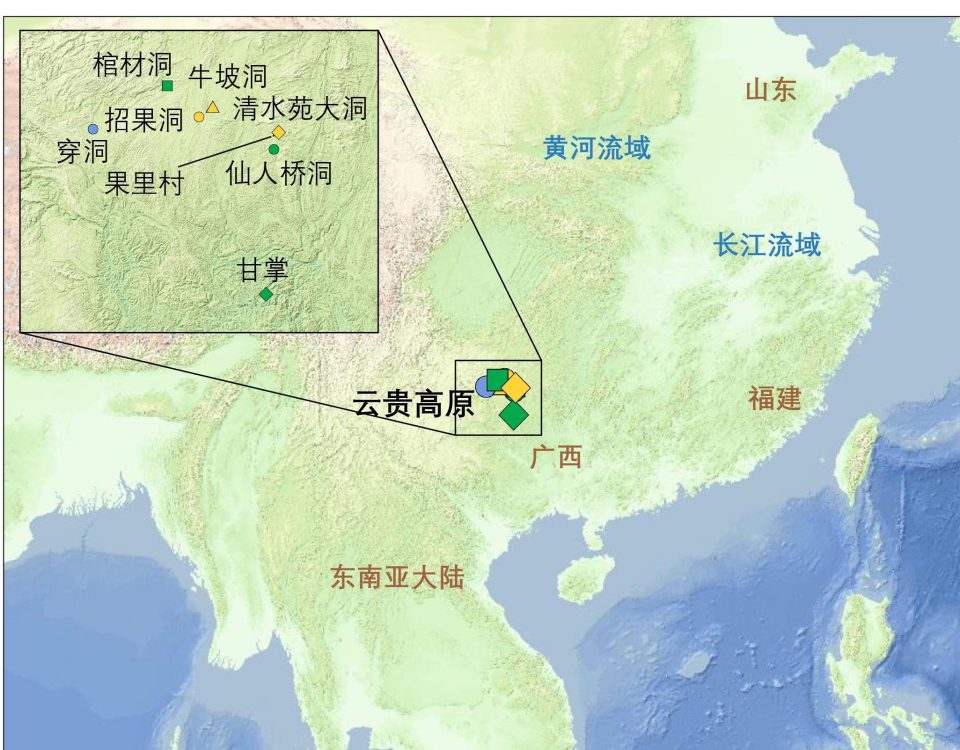
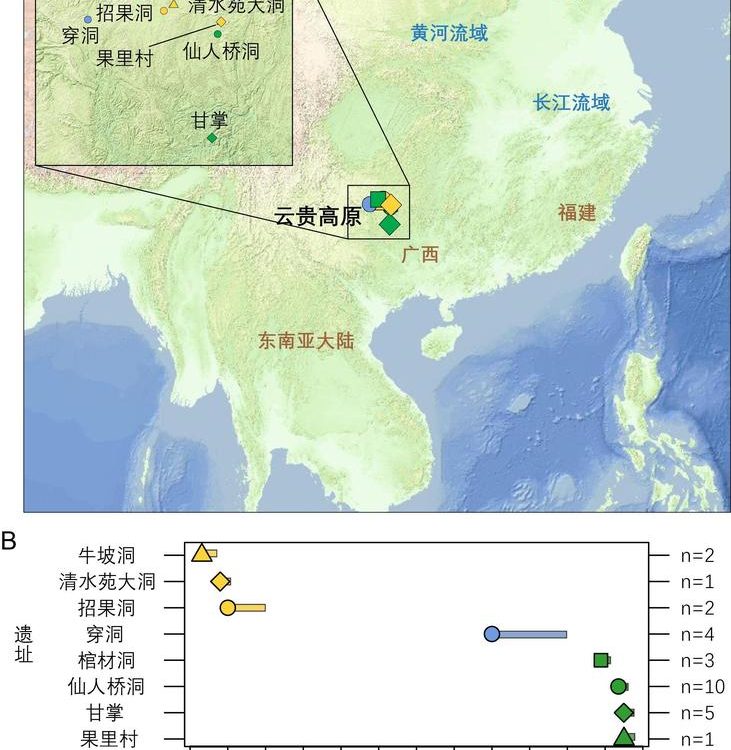
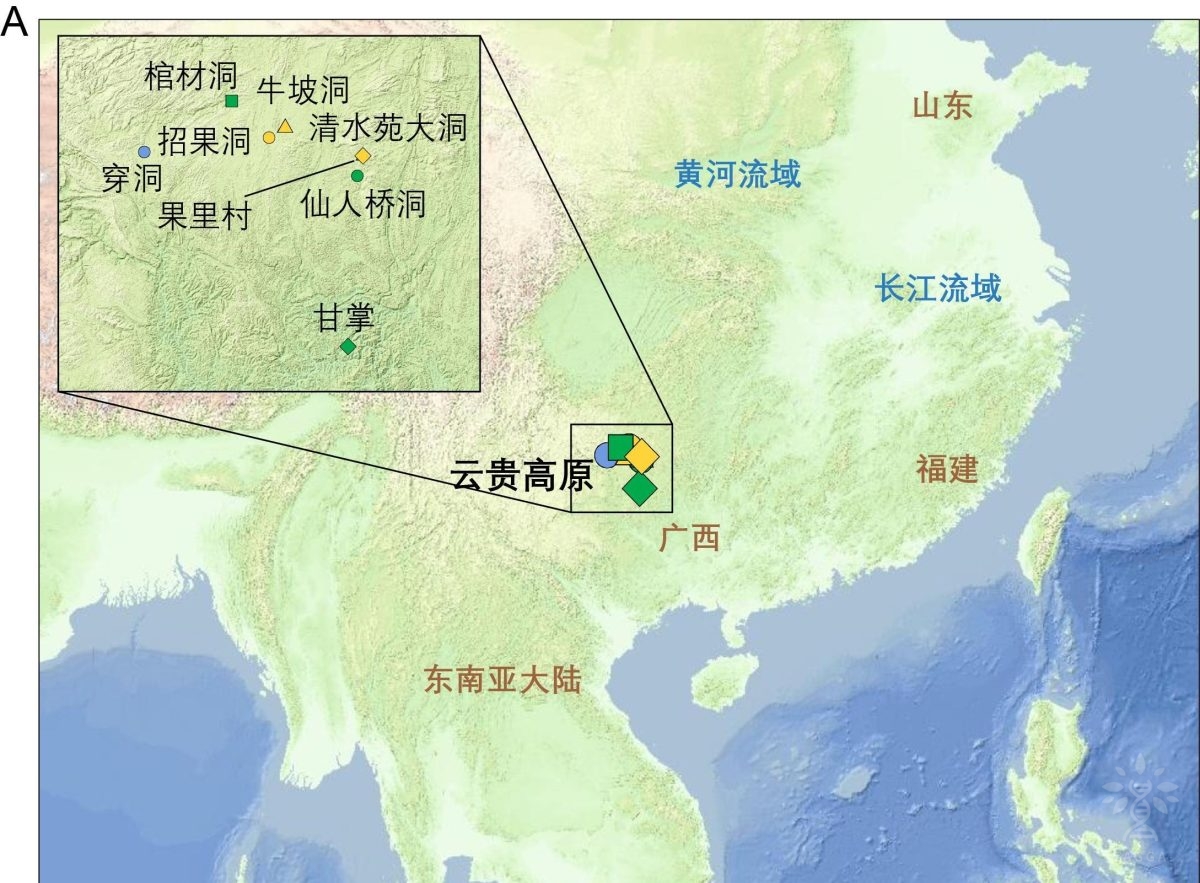
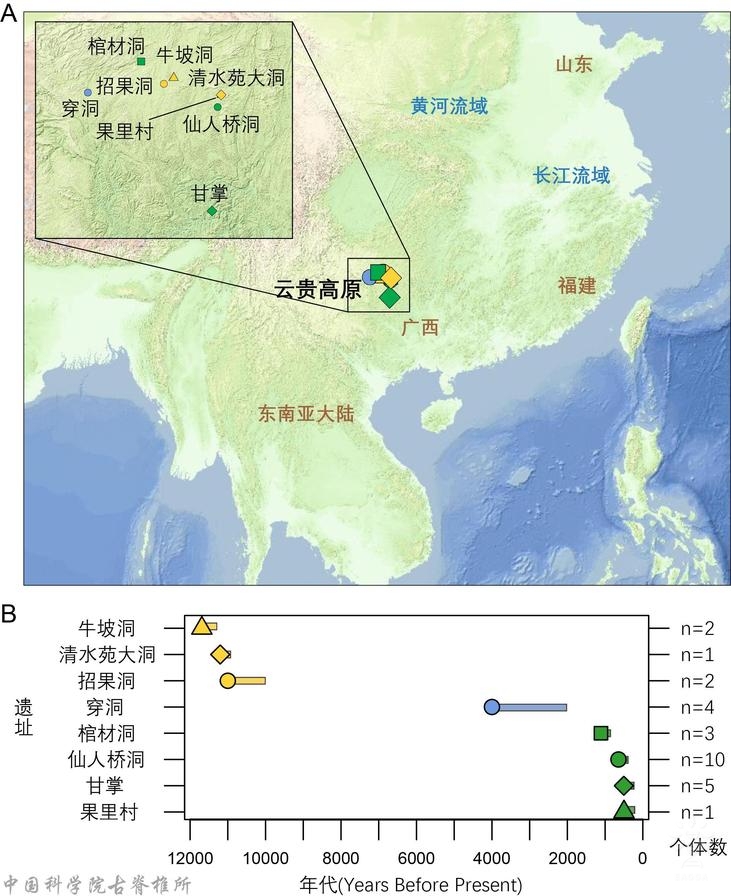
贵州遗址分布与年代

Twelve Thousand Years of Population Turnover: Guizhou Ancient Genomes Rewrite the Prehistory of Southwestern East Asia

A National Science Review study led by Fu Qiaomei's team analyzed 50 ancient genomes from eight Guizhou sites spanning ~12,000–300 years ago, showing Paleolithic Guizhou groups already carried East Asian northern ancestry, that the local basal-ancestry population was replaced before the Bronze Age by Austroasiatic-related people from central Yunnan, and that genetic differences between language groups persisted into historical times.
2026年10月21日
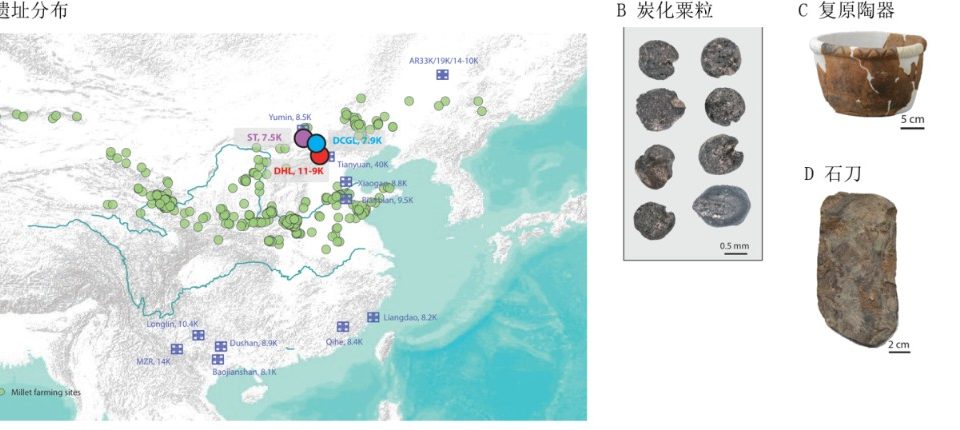
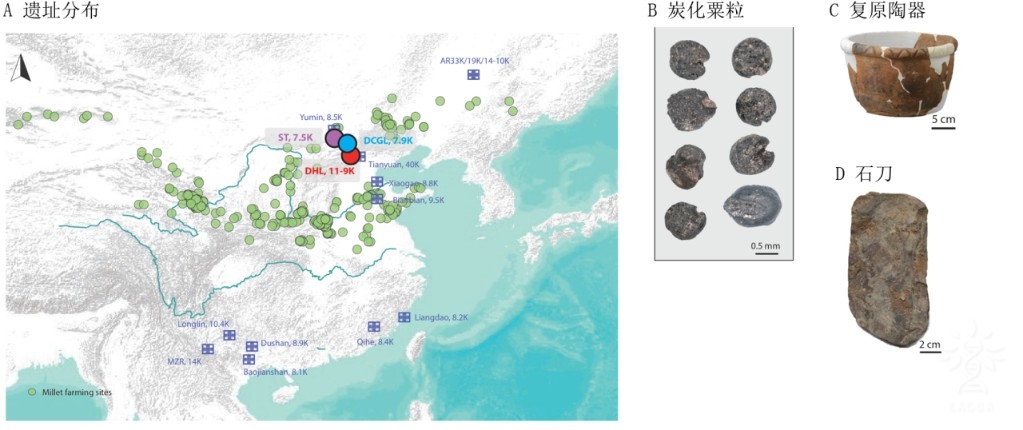
黄河流域粟作研究遗址分布与遗物

The 11,000-Year-Old “Millet Road”: Seven Ancient Genomes from Donghulin Point to a Local Origin for Early Millet Farming

Genomes from seven ancient individuals at Beijing's Donghulin and Hebei's Dengcaogouliang and Sitai sites, published in Science Advances (Oct 16, 2026), show a stable northern inland genetic background lasting over 3,000 years while millet-based diets expanded — strong evidence that early millet farming arose mainly among local populations.
2026年10月16日
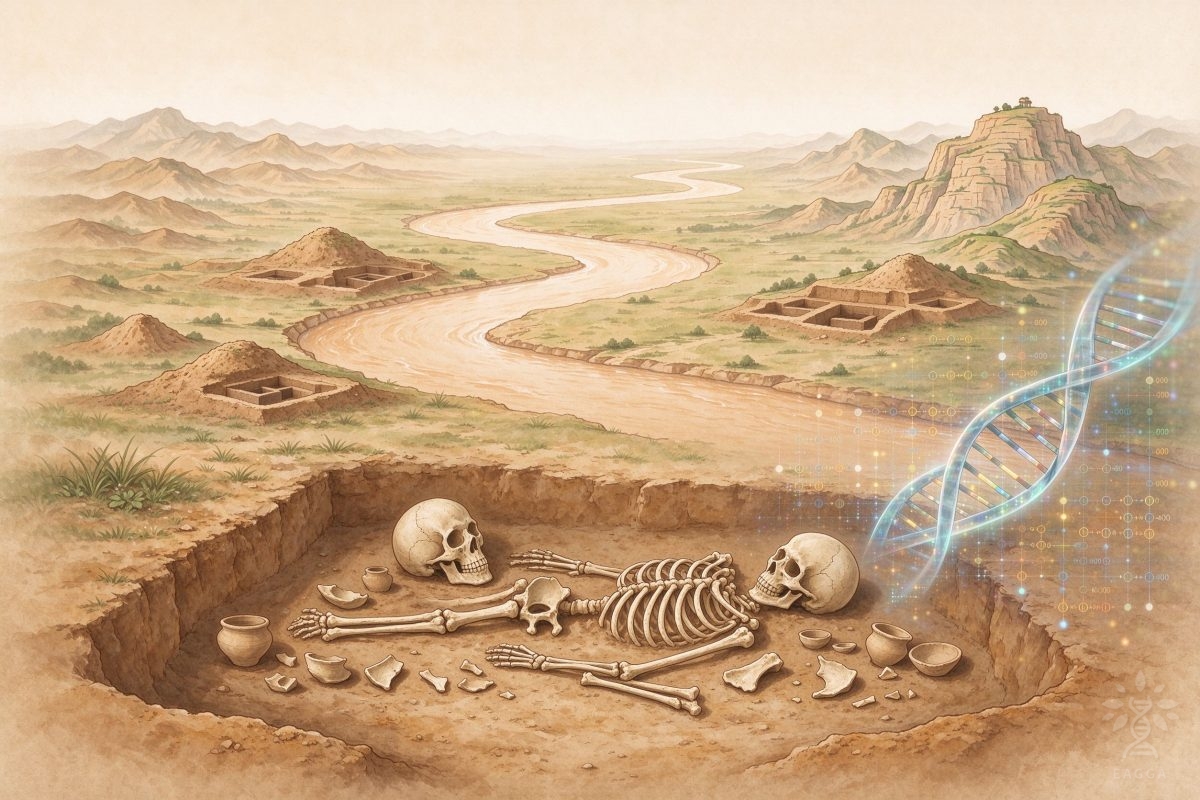
黄河中下游61例古基因组研究概念图(AI生成,无文字)

Four and a Half Millennia on the Yellow River: 61 Ancient Genomes from the Central Plains and Shandong Rewrite a Regional Story

A new Cell Reports study presents genome-wide data from 61 ancient individuals (c. 4,500–200 BP) from Dahecun, Henan and two Shandong sites. It finds genetic homogeneity among central-plains Neolithic farmers, a shift of Shandong populations toward Yellow River ancestry around 3,000 years ago, and—remarkably—about 15% West Eurasian-related ancestry in two Tang–Song individuals.
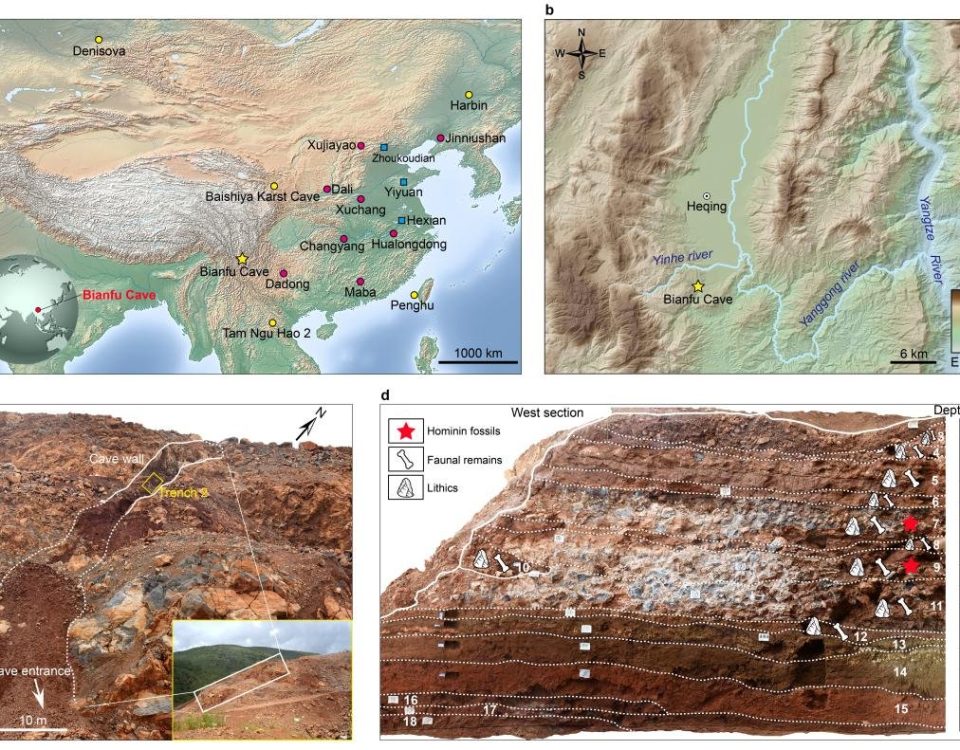
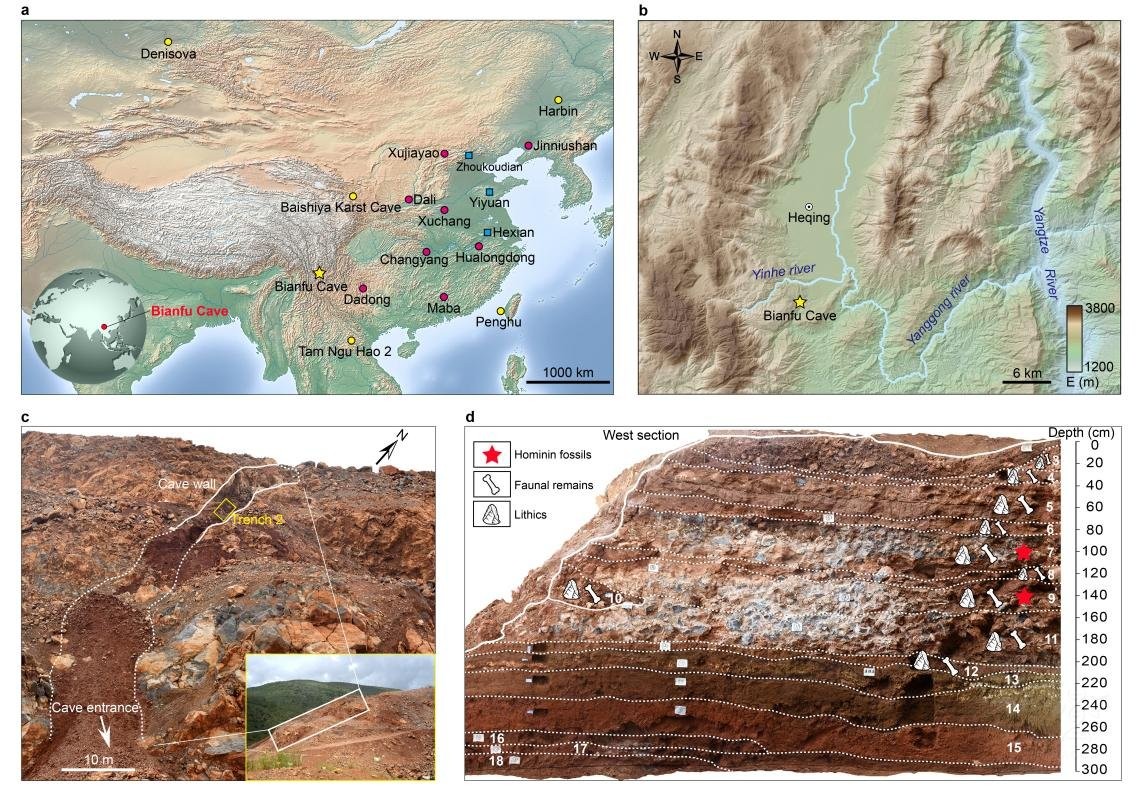
Chinese scientists reveal for the first time the survival landscape of Denisovans in South China: major discovery at Yunnan Bianfu Cave published in Nature
This website uses cookies to improve your experience. By using this website you agree to our Data Protection Policy.
Read more