The Genetic Landscape of the Tang and Song Eras: New Ancient DNA Discoveries from Chang’an to Frontier Clans
2026年10月6日
Open-Source Tools for Digitizing Genealogies: From GEDCOM to Collaborative Family Tree Platforms
2026年10月13日Ancient DNA of the Tang and Song Dynasties: From Chang’an Seated Burials to the Preserved Corpse of Jizhili
In East Asian ancient-DNA research, the Tang and Song dynasties were once a relatively blank stretch — not as important to human origins as prehistory, nor covered by vast cemeteries like the Shang and Zhou periods. But since early 2026, a series of ancient-genome studies focused on these two dynasties has gradually brought their genetic landscape into focus.
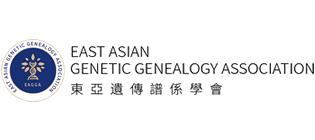
The most striking result concerns the Southern Song preserved corpse “Jizhili,” studied by a Fudan University team. In 2018, the Changzhou Institute of Archaeology excavated a Southern Song corpse at Zhoutang Bridge; the epitaph identified a 52-year-old man named Jizhili, buried more than 800 years ago. The team obtained a high-quality ancient genome with about 12.76-fold coverage. His Y-chromosome haplogroup was N-F1998* (a lineage mainly distributed in East Asian populations) and his mitochondrial haplogroup F1f (frequent in Southeast Asia). Genetic analysis linked Jizhili closely to Yangshao millet-farming populations of the Yellow River and related southern lineages, showing genetic homogeneity with modern Jiangsu Han Chinese.
The corpse’s state of preservation was itself a major finding: unlike Egyptian mummies, whose organs were removed, Jizhili’s brain and internal organs were intact — CT scans showed his intestinal cavity filled with mercury, along with large amounts of cinnabar (mercuric sulfide). Rehydration experiments further confirmed the body contained ambergris, borneol, myrrh and small amounts of frankincense and agarwood. This is a distinctive East Asian “Oriental mummy” embalming technique: mercury and cinnabar administered by enema, combined with spices brought in along the Maritime Silk Road. The results were published in the Journal of Genetics and Genomics (JGG) in January 2026.
The study also provided the first East Asian genetic evidence for pre-industrial cardiovascular disease. Using polygenic risk scoring (PRS) and other analyses, the team quantified Jizhili’s genetic susceptibility to atherosclerosis — a condition once regarded as a “modern disease” also existed in a Southern Song squire more than 800 years ago, offering a unique sample for understanding disease and nutrition history.
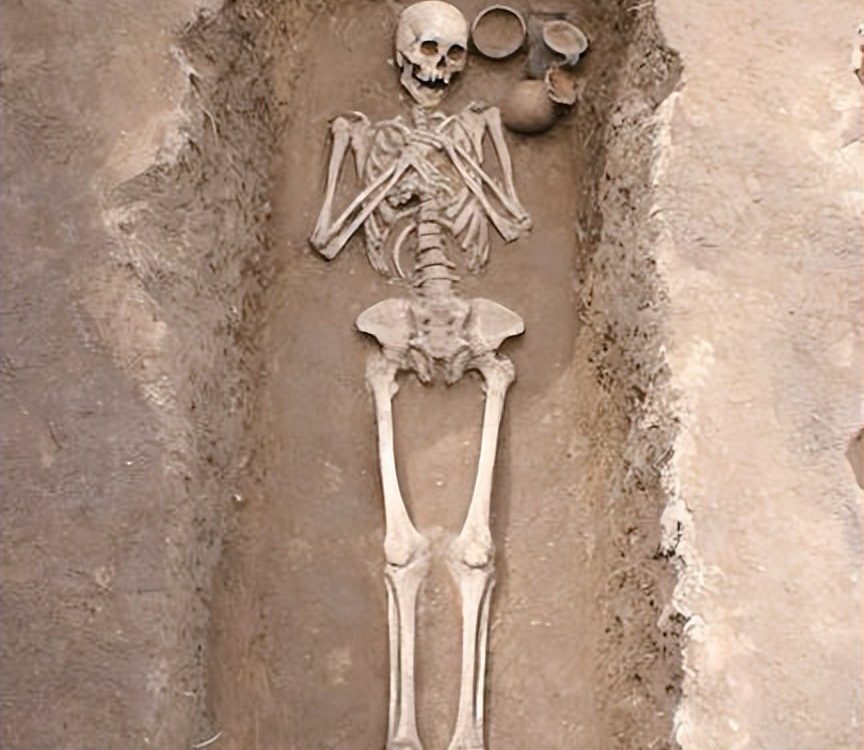
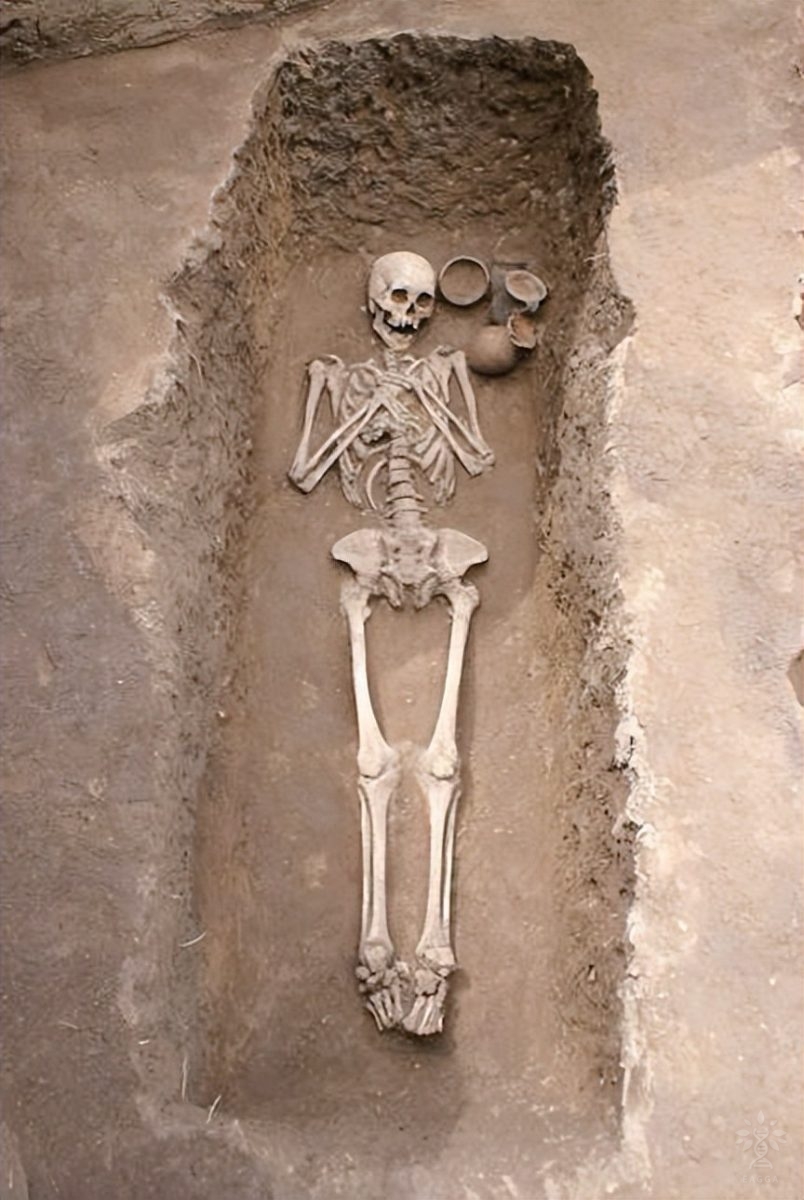
Tang-dynasty research has been equally active. A team led by Wen Shaoqing of Fudan University, together with the Shaanxi Provincial Institute of Archaeology, conducted a multidisciplinary study of seated-burial individuals from four Tang cemeteries in Xi’an — Hejiacun, Chenjiazhai, Baiyangzhai and Gaoloucun. Whole-genome data placed all individuals within the East Asian genetic cluster, with no clear genetic difference from ordinary individuals in the same cemeteries; stable isotope analysis showed their diet consisted mainly of C4 plants such as millet, closely matching ordinary residents. The study therefore tested the hypothesis that seated burials originated from a specific ethnic group or Buddhist faith, concluding they were more likely linked to particular burial concepts (such as lay Buddhist practice), reminding us that cultural expression cannot be simply equated with biological characteristics.
Research in the Central Plains revealed genetic continuity. The Henan Provincial Institute of Cultural Relics and Archaeology and Jilin University analyzed three individuals from tomb M7 at the Yusi site in Mengzhou; all three shared mitochondrial haplogroup D5, and their genetic structure broadly matched the populations of the Haojiatai and Pingliangtai sites, indicating that the genetic structure of ancient Central Plains populations remained relatively stable from the late Neolithic to the early Tang. This echoes a study of four thousand years of genetic dynamics in Ningxia, where the internationalized profile of Sui-Tang populations may reflect population movement along the Silk Road.
The surge of Tang-Song ancient-DNA research matters deeply for genetic genealogy. On one hand, it provides new material for the three-way cross-validation of “genes, archaeology and history”: the Y-chromosome consistency of family cemeteries and the link between surnames and haplogroups can now be tested in more recent historical periods. On the other, ancient-genome data from core regions such as the lower Yangtze and the Central Plains is filling the regional map long left blank by humid soils and DNA degradation.
From the burial concepts behind Chang’an’s seated burials, to the embalming recipes and disease risks of the Changzhou corpse, to the genetic stability of Central Plains populations across millennia, Tang-Song ancient-DNA research is turning the dynastic changes of history books into the life stories of specific families and individuals. For every root-seeker who wonders “where did my ancestors come from,” these data add new reference coordinates for the dual track of genealogy and genetics.