Chinese scientists reveal for the first time the survival landscape of Denisovans in South China: major discovery at Yunnan Bianfu Cave published in Nature
2026年9月10日
Members Column: Yunnan-Guizhou Paleogenomics Reveals 12,000 Years of Population History in Southwestern East Asia
2026年9月22日Ningbo Genealogy Database Goes Live: A Digital Gateway to 325 Genealogies and 102 Surnames
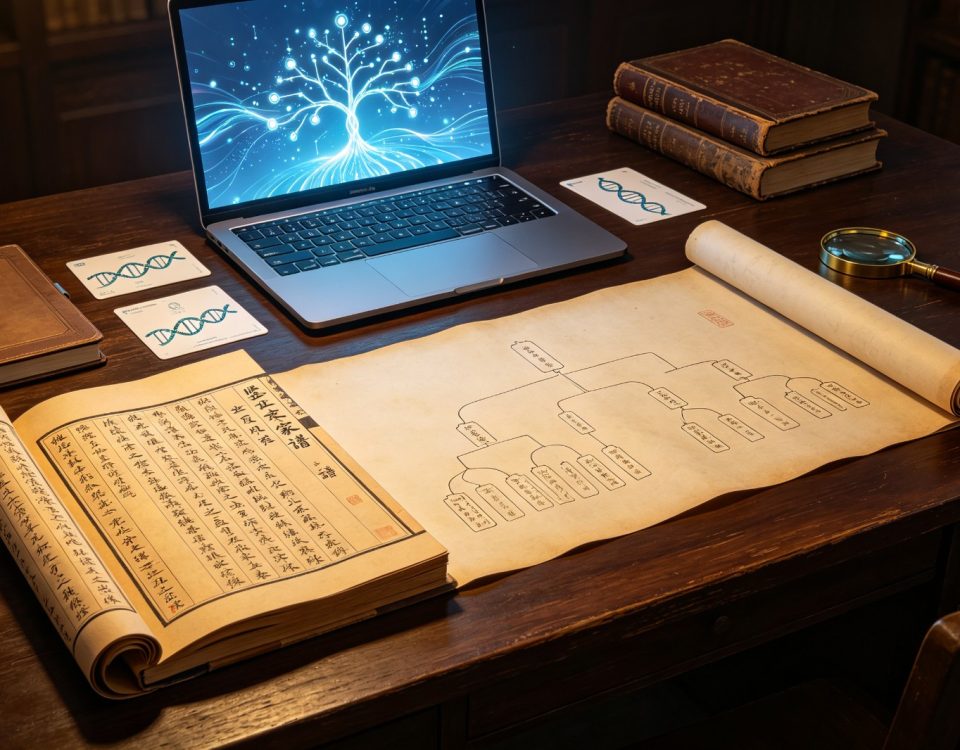
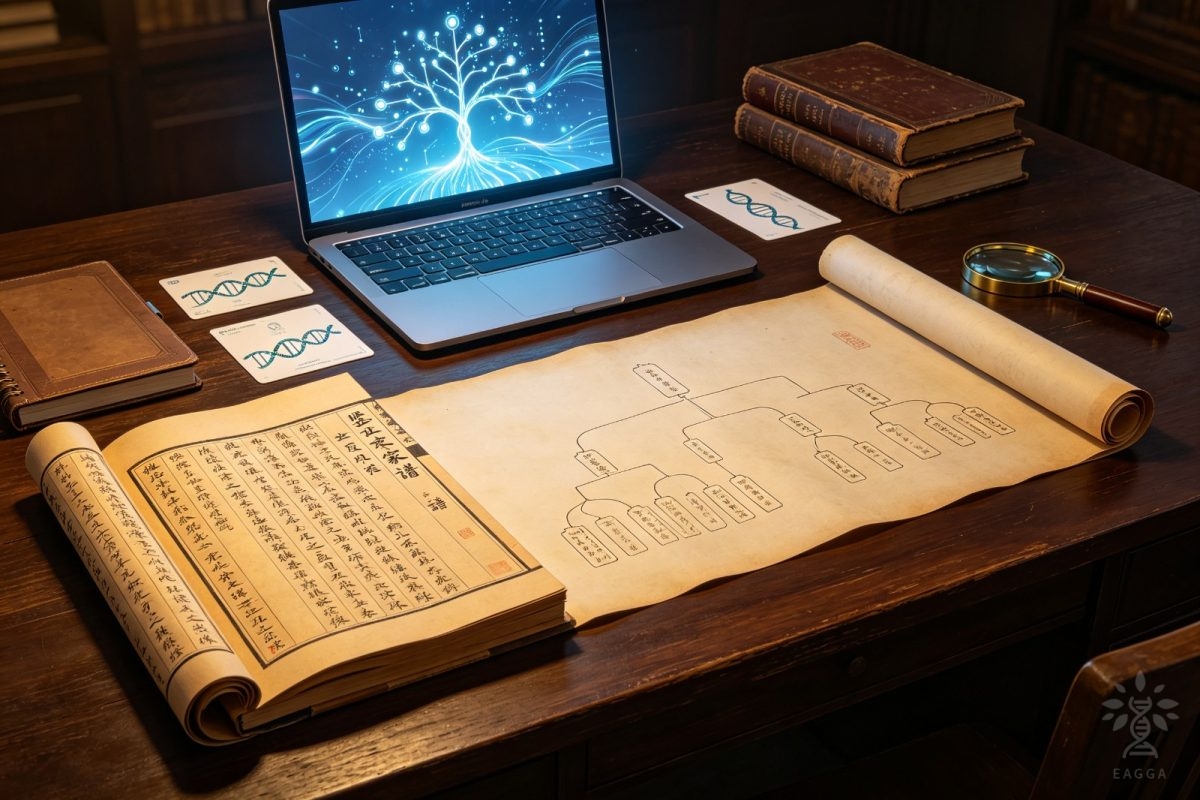
“Who am I, and where do I come from?” — a simple question that marks the starting point of many people’s search for their roots. In mid-September 2026, the Ningbo Genealogy Database officially went live, opening a digital gateway for people of Ningbo origin to trace their ancestors. The database was jointly developed by the Ningbo Library and ten district and county libraries — a notable step in the digitization of local genealogies in the Yangtze River Delta region.
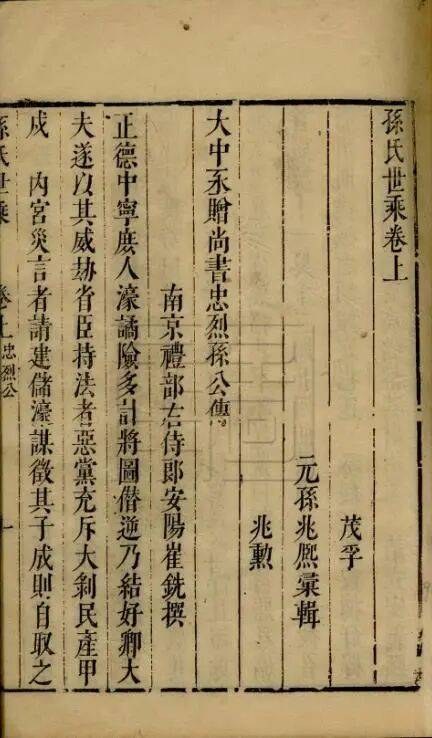
According to the Ningbo Library, the database debuts with 325 genealogies from Ningbo and its surrounding areas, covering 102 surnames. Most are printed editions from the Qing dynasty and the Republican era, and hold significant value for studying the region’s social, migration, demographic and local history. A series of genealogies with distinctive local cultural significance have been systematically catalogued — from the Sun Family Genealogy (Sunshi Shicheng), compiled in the 20th year of the Qianlong reign (1755) and the earliest in the collection, to the Dadao Xu Family Genealogy of 1875, compiled with the participation of the Qing-era scholar and bibliophile Xu Shidong, and the Jiaochuan Fan Family Genealogy, chiefly compiled by Fan Shixun, a representative of modern Ningbo merchants in Shanghai.
The database’s features reflect a service orientation toward root-seekers. Full-text search lets users enter any keyword to retrieve genealogical text, personal names and bibliographic records. The pedigree-tree lookup organizes names in the genealogy as tree structures, visually presenting generational relationships with in-tree name search. Multi-dimensional filtering allows quick browsing by surname initial, compilation date or place of origin.
Access is designed in two tiers. On-site access supports full-text browsing: readers log in to the Ningbo Network Library (elib.nblib.cn) with their library card, enter “Ningbo Genealogy Database (on-site, full-text browsing)”, and can zoom into original page images at reading stations set up across the city’s 11 public libraries. Off-site access provides bibliographic search only, meeting remote reference needs.
The launch echoes a wider trend in public libraries of “bringing genealogies to life.” For historians, local genealogies are first-hand sources on lineage organization, land systems, population movement and local social change. For ordinary root-seekers, digital search dramatically lowers the barrier of leafing through hundreds of volumes of thread-bound books. During the launch period, the Ningbo Library will also hold training sessions to help readers master the database and explore genealogy culture.
The joint-building model itself — a municipal library coordinating with district and county libraries — is a sample of public cultural resource integration. Genealogical literature has long been scattered across institutions of different levels, with incompatible catalogs and time-consuming per-library searches. Joint database building concentrates the dispersed resources and reserves room for future expansion.
From a broader perspective, genealogy digitization has accelerated across China in recent years: the Shanghai Library’s genealogy branch has built an open retrieval system over its holdings, Fujian and other regions are promoting cross-strait genealogy connections, and open-source genealogy tools are reshaping how family trees are compiled and shared. The Ningbo database stands out for its locality, systematic coverage and practical usability, together forming a diverse landscape for the digitization of Chinese genealogical culture.
For genetic genealogy researchers, genealogy databases and molecular pedigree research are becoming complementary: genealogies provide the textual framework of descent, DNA testing provides biological evidence, and the two corroborate each other. The opening of the Ningbo Genealogy Database offers a searchable textual foundation for such interdisciplinary research, and gives ordinary families a more complete starting point for the dual-track approach of “genealogy plus DNA.”
The launch of the Ningbo Genealogy Database is a small step in the digitization of local literature and a big step in public root-seeking services. As more genealogies from district and county collections are added, this “map of Ningbo family genealogies” will keep growing — helping more people see clearly where they come from.