Largest-Ever Ancient-Modern Y-Chromosome Resource Reconstructs the Complex Paternal Peopling of East Asia
2026年3月30日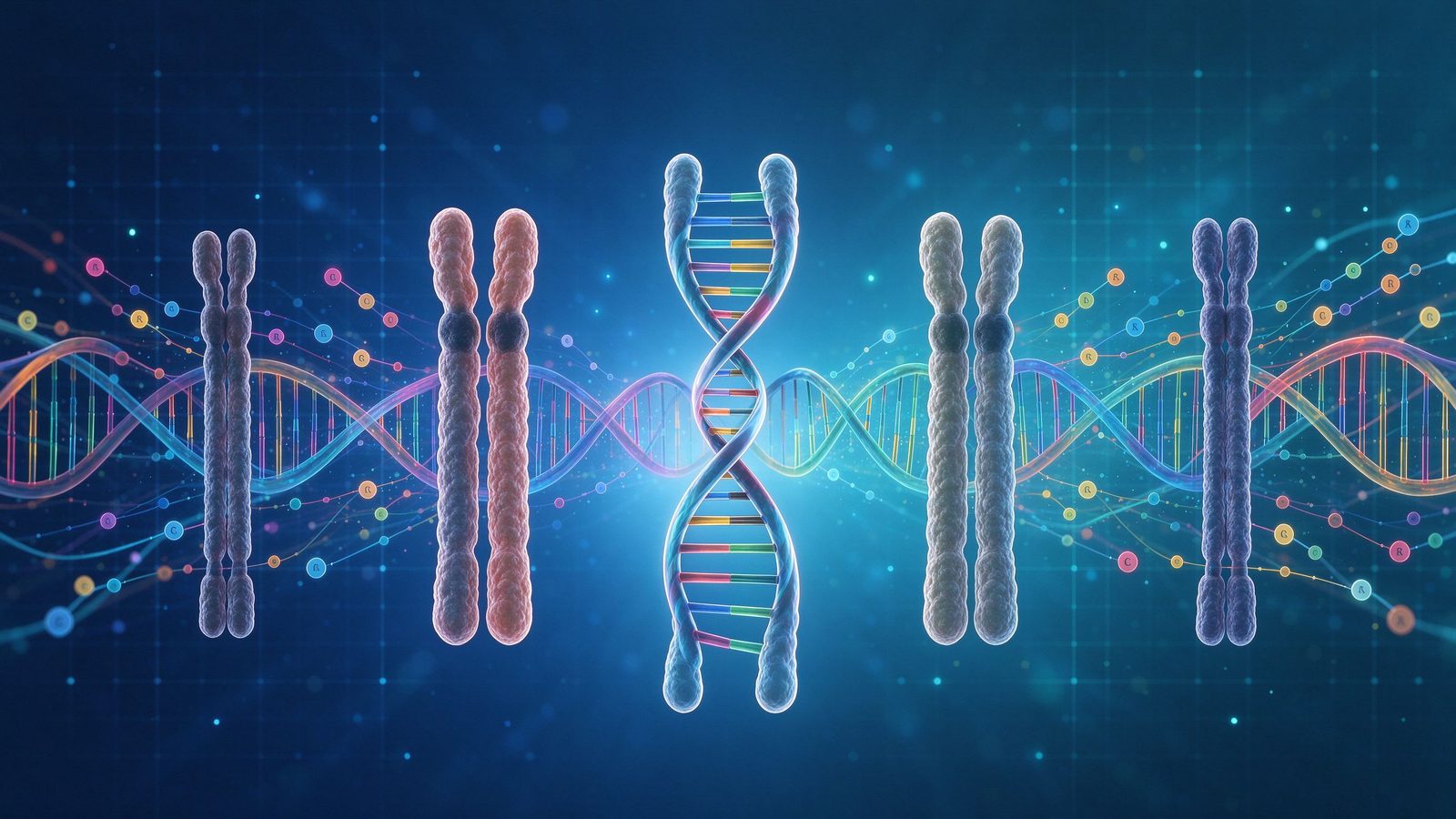
The 1000 Chinese Pangenome: Westlake University Builds the Largest Human Pangenome to Date, Revealing 13% of Previously Unknown Sequences
2026年4月2日[Explainer] Where Does Your Y Chromosome Come From? Reading East Asian Paternal Migrations Through O, N, C and F
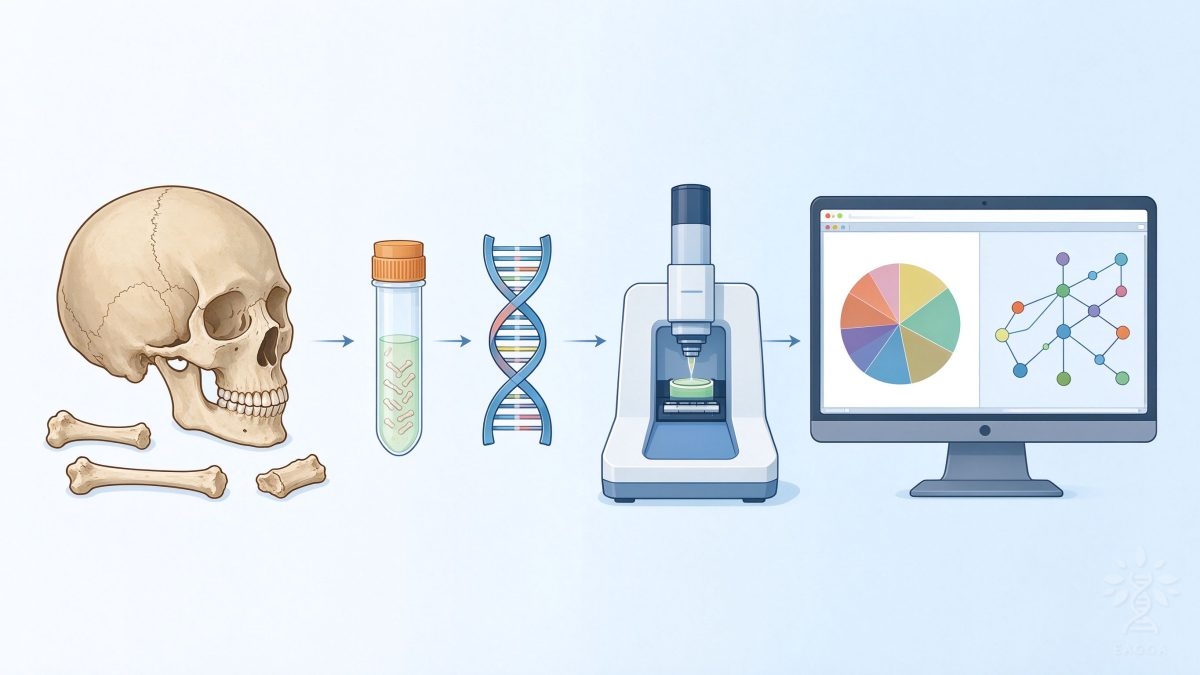
Why would a study sequence more than 18,000 Y chromosomes? Because this chromosome is unusual: it passes only from father to son and barely recombines, making it a “molecular clock” handed down the direct paternal line.
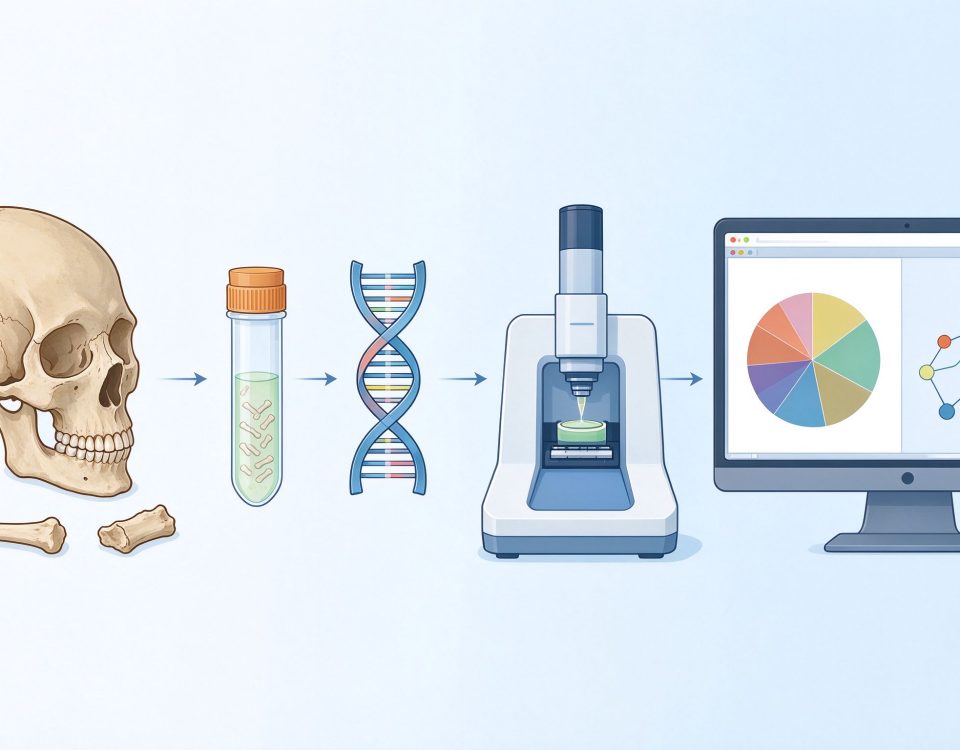
The new study integrates Y chromosomes from 17,740 present-day men and 977 ancient individuals, plus 1,045 newly sequenced samples, to build the most detailed East Asian paternal tree yet. Reading it requires knowing just a few common haplogroups.
The O lineages dominate East Asian males: O1 tilts southward and is tied to rice farming, while O2 tilts northward and is associated with millet agriculture and Sino-Tibetan speakers. The N lineages link toward Tibeto-Burman and Siberian populations. Older C, D and F are “deep branches,” carrying Paleolithic signatures — and the rare F branches, found mainly in Guangdong and Yunnan, become clues to whether early migrations ran along the coast or inland.
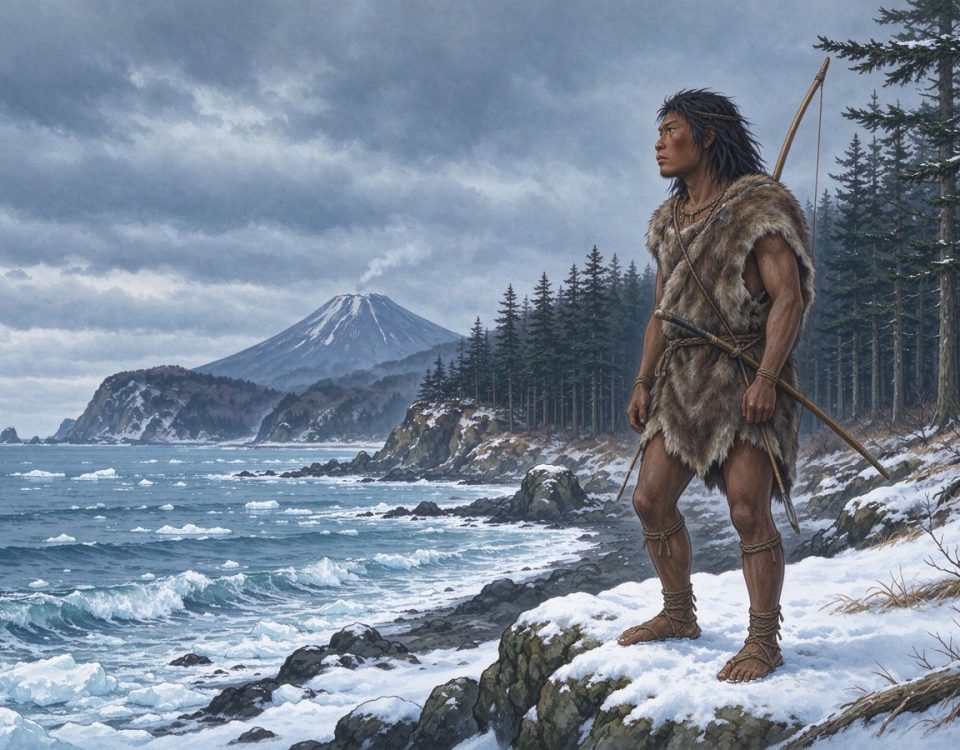
The authors also find that, in the Neolithic, millet and rice farming drove the rapid expansion of O1 and O2. In other words, the single haplogroup label on your own Y chromosome may encode whether your ancient ancestors farmed rice or millet, and whether they moved along the coast or inland.
Source: He G.-L. et al. Science Advances, 2026-04-03.
![[Explainer] Where Does Your Y Chromosome Come From? Reading East Asian Paternal Migrations Through O, N, C and F](https://www.eagga.org/wp-content/themes/betheme/images/cookies.png)