
Chinese scientists retrieve lineage-specific genetic information from 400,000-year-old Homo erectus for the first time
2026年5月14日
Fudan team reveals 6,000 years of population history in the middle Yellow River: Yangshao ancestry endures for 6,200 years
2026年6月26日The Naotegai Site in Inner Mongolia: A New Super-Large Hongshan Settlement Discovery
On May 27, 2026, the Institute of Archaeology of the Chinese Academy of Social Sciences (CASS) announced a batch of the latest archaeological findings. Among them, the Naotegai site in the Xar Moron River valley, Balin Right Banner, Chifeng, Inner Mongolia, was confirmed as a super-large central settlement of the Hongshan culture dating to around 5,500–5,000 years ago. It is one of the largest Hongshan culture settlements yet confirmed by scientific survey, providing fresh material evidence for studying the formation of the Hongshan state and the origins of Chinese civilization.
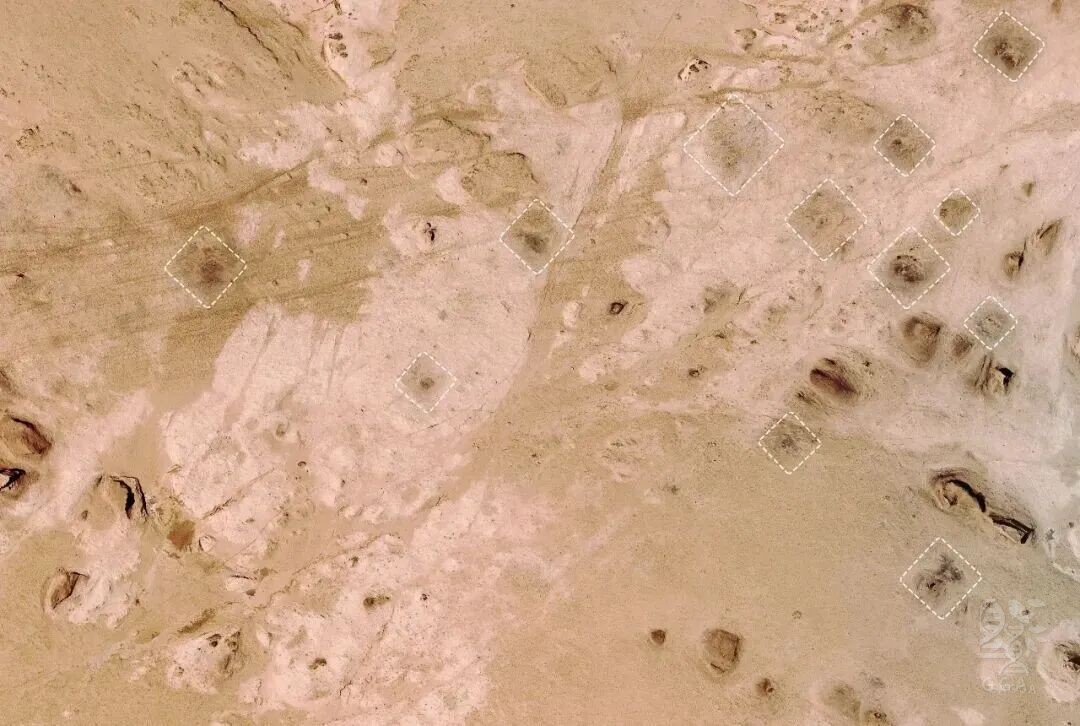
The Naotegai site lies immediately south of the main channel of the Xar Moron River, in the prehistoric cultural heartland of the West Liao River basin. Surveys show a complete cultural sequence spanning the Xinglongwa, Zhaobaogou and Hongshan cultures, with human activity lasting nearly three millennia. The settlement flourished in the late Hongshan period (c. 5,500–5,000 years ago) and reached nearly three million square meters, making it another ultra-large central settlement of the Hongshan culture discovered on the Balin steppe, after the Nasitai site.
Functional zoning: residential and ritual areas side by side
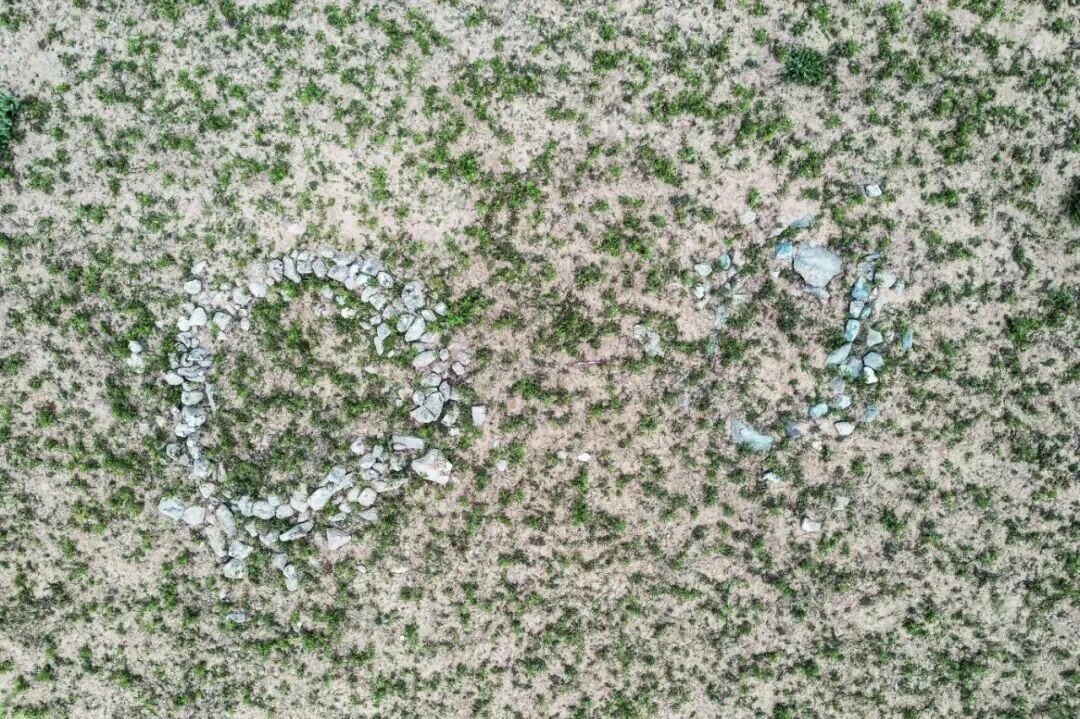
Archaeological survey and excavation show a well-organized layout, with residential and ritual zones coexisting and rows of house foundations. Two stone-built altars were found in the northern part of the site; their form closely matches well-known Hongshan ritual remains such as those at Niuheliang and Dongshanzui, indicating a mature system of heaven-and-earth worship and ritual practice. A surrounding ditch encloses the settlement, serving both defensive and drainage functions and reflecting early urban-planning ideas.
Developed dry-land farming: beyond previous understanding
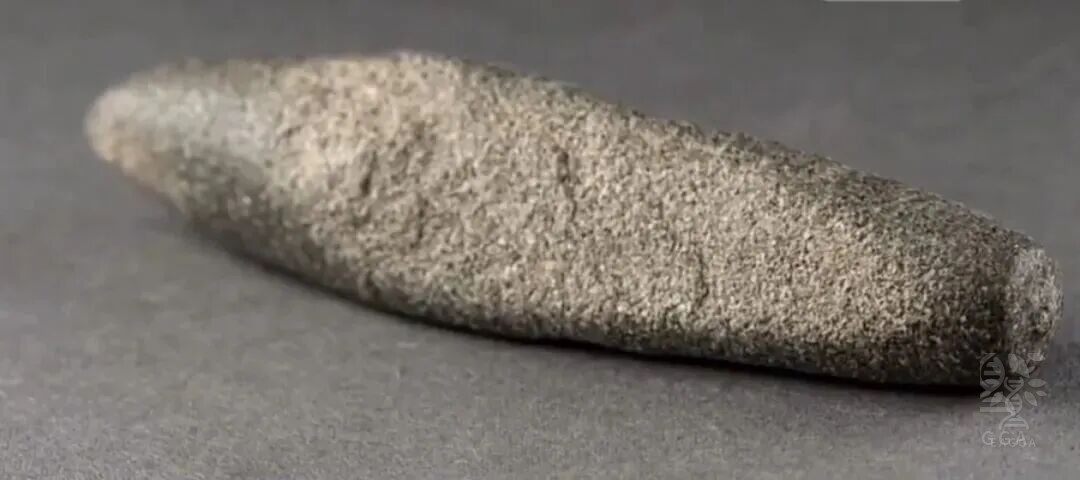
Artifacts collected from the site already reveal key information. The pottery assemblage belongs mainly to the middle and late Hongshan culture; tubular jars are the most numerous, alongside vessels such as slant-mouthed implements, urns, bowls and pots. Their shapes and decorations closely resemble artifacts from the Xitai and Xinglonggou sites. Most importantly, the site yielded a complete set of farming tools—stone plows, stone knives, grinding slabs and grinding rollers—covering everything from digging and harvesting to grain processing. This set directly proves that as early as more than 5,000 years ago, the Xar Moron River basin already possessed developed dry-land agriculture, and that the subsistence level of the late Hongshan culture far exceeded earlier understanding.
Significance: the core of the Hongshan state and new evidence for tracing civilization
The Naotegai site provides important archaeological evidence for the formation of the Hongshan state and the entry of the West Liao River basin into civilized society, confirming that the Balin steppe was one of the core areas of the Hongshan state. As a key outcome of the Project to Trace the Origins of Chinese Civilization, the discovery deepens scholarly understanding of the social complexity, subsistence economy and ritual system of the Hongshan culture, and offers a crucial reference point for further settlement archaeology in the West Liao River basin.
This article is compiled from information released by the Institute of Archaeology, CASS, and public reports by Inner Mongolia Daily and Guangming Online.