
Dogs Moved With Humans: 73 Ancient Canine Genomes Trace Holocene Dispersals Across Eastern Eurasia
2025年11月12日
Genetics Trace the Living Descendants of China’s Ancient Hanging Coffin Culture
2025年11月18日Why Do Archaeologists Sequence 8,000-Year-Old Dogs?
Imagine an excavation team unearthing human and dog bones at the same site, only to do something unexpected: sequencing the DNA of a dog that lived thousands of years ago. Why go to such trouble for an ancient animal? What does a dog have to do with people?
The answer is that dogs were the first animal humans ever domesticated. From that day on, dogs lived with people and moved with them. Wherever people went, dogs were often brought along; when groups traded or exchanged gifts, dogs sometimes changed hands as part of the deal. Over time, the geographic spread of dog lineages came to overlap closely with the routes people took.
That is why ancient dog genomes serve as a proxy for human migration. When human bones are poorly preserved or poorly dated, a dog’s genes can offer an independent line of evidence—it does not say directly where people went, but it records where they had been.
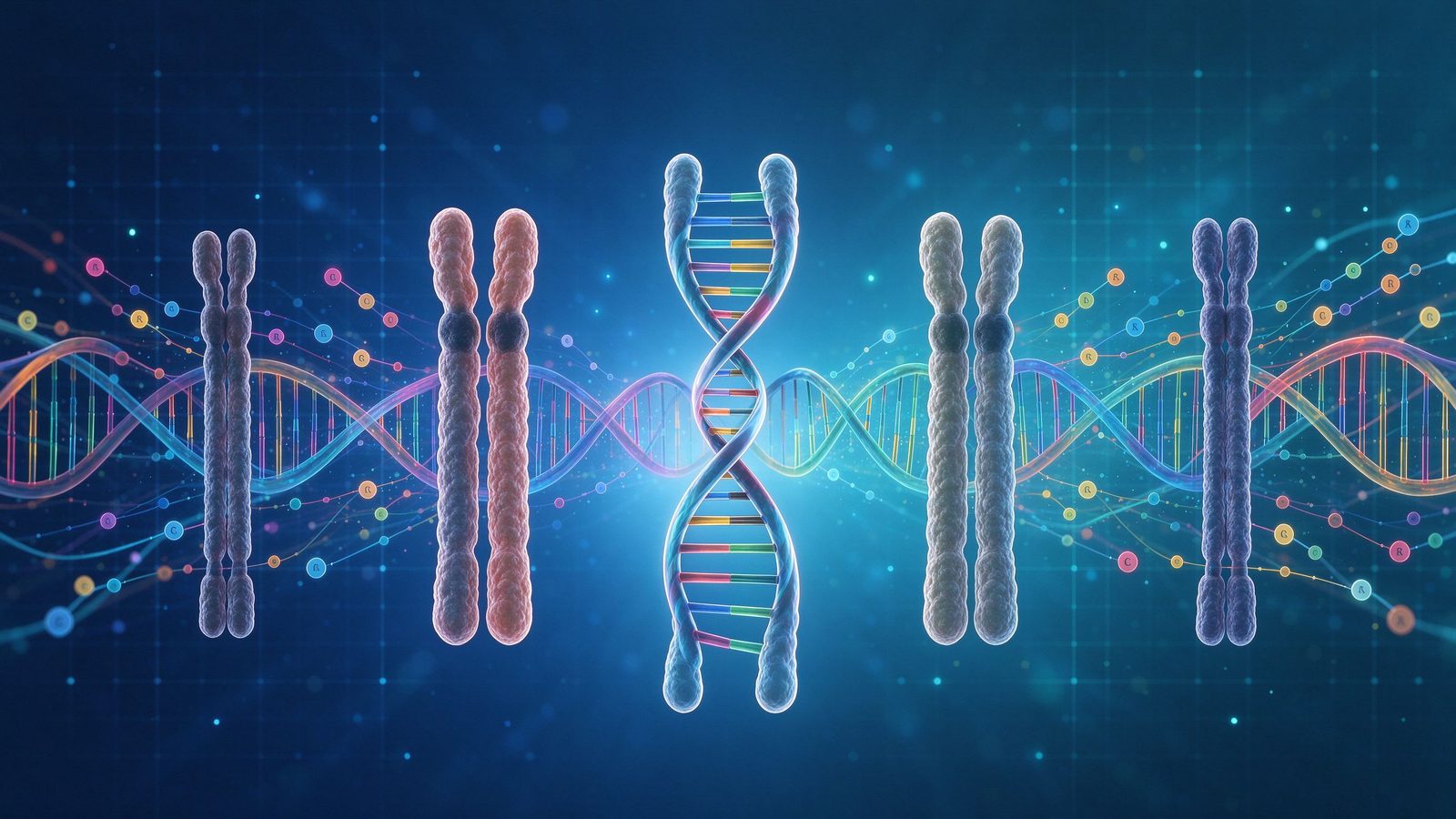
In a recent study, a team at the Kunming Institute of Zoology analyzed 73 ancient dog genomes, with many of the relevant samples from China’s Hexi Corridor, Xinjiang and Inner Mongolia. They found that shifts in canine ancestry matched the migrations of ancient East Asians, Ancient North Siberians, Eastern European hunter-gatherers and steppe pastoralists, confirming that dogs spread together with human cultural groups.
Proxies have their exceptions, of course. In special regions such as the Arctic, dog populations show clear signs of being traded between groups, so canine movement there is not always identical to human movement. The researchers’ task is to separate those exceptions out—so that dog genes can tell people’s stories more accurately.
Source: Shao-Jie Zhang, Guodong Wang et al. (popular-science rewrite). Science, 2025-11-13.