
Mitotree Released: A Universal Human Mitochondrial Reference Phylogeny at 10x Resolution
2026年6月9日
The DNA Detective Story That Identified a Forgotten Hungarian King
2026年6月23日Cross-Strait Root-Seeking Service Center Opens in Xiamen: Big-Data Genealogy Makes “One-Click Ancestor Search” a Reality
On 14 June 2026, the Cross-Strait (Xiamen) Root-Seeking and Family Reunion Service Center officially opened in Xiamen, Fujian, with construction of the Cross-Strait (Xiamen) Genealogy Data Platform launched in tandem.
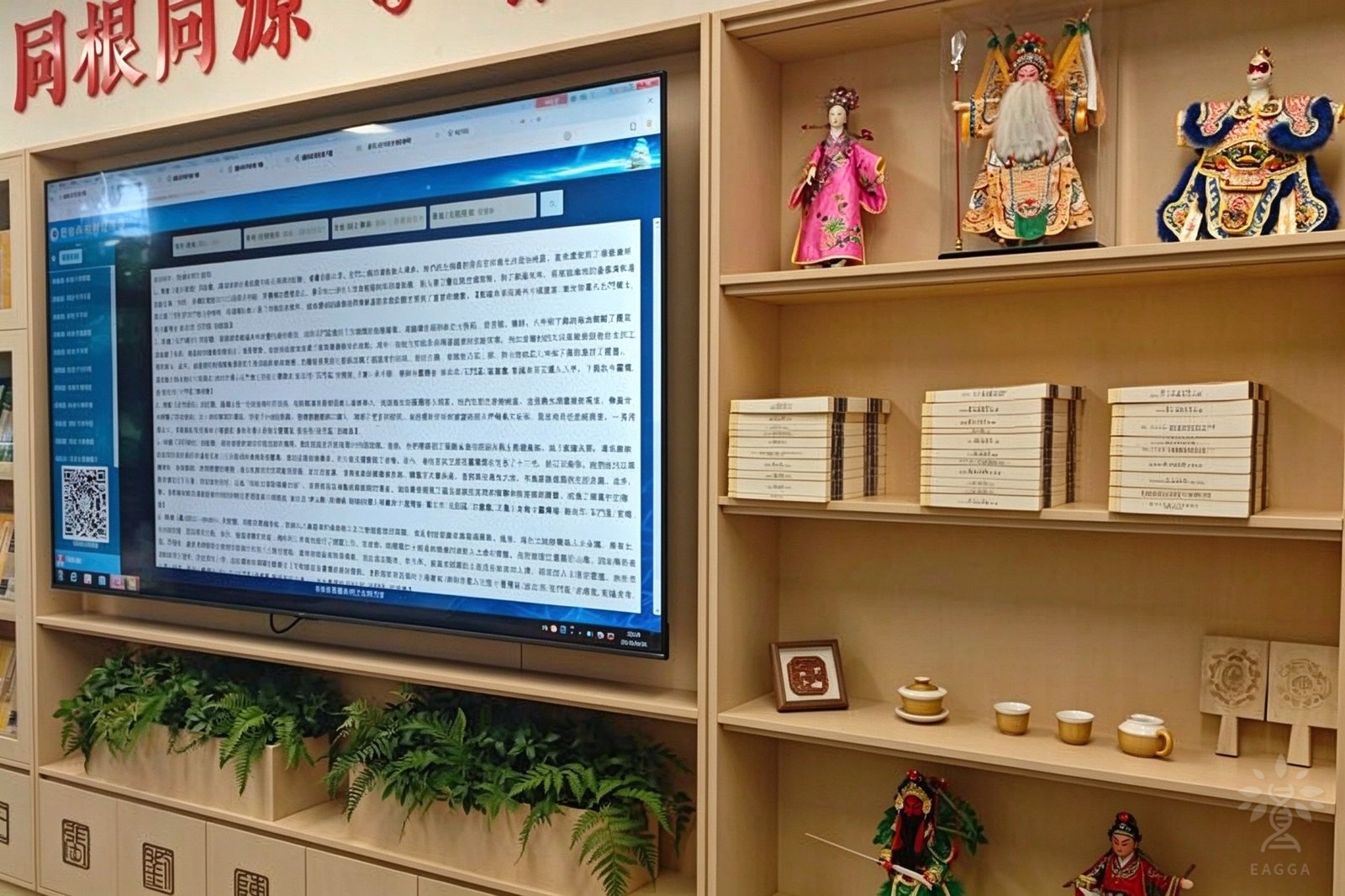
According to China News Service, the center aims to provide Taiwanese compatriots with precise and efficient root-tracing services — another step forward for cross-strait exchanges built on the emotional bond of ancestral seeking.
The service center is located in the new building of the Xiamen Municipal Archives. Li Lei, an archivist at the archive, explained that the center pools resources from multiple parties to tackle the long-standing problems of “scattered information and difficult root-seeking”, offering Taiwanese visitors one-stop services including ancestral origin search, genealogy matching and archival consultation. For seekers who hold only fragmentary clues, a professional window that can access archives and match genealogies means the journey no longer depends on luck.
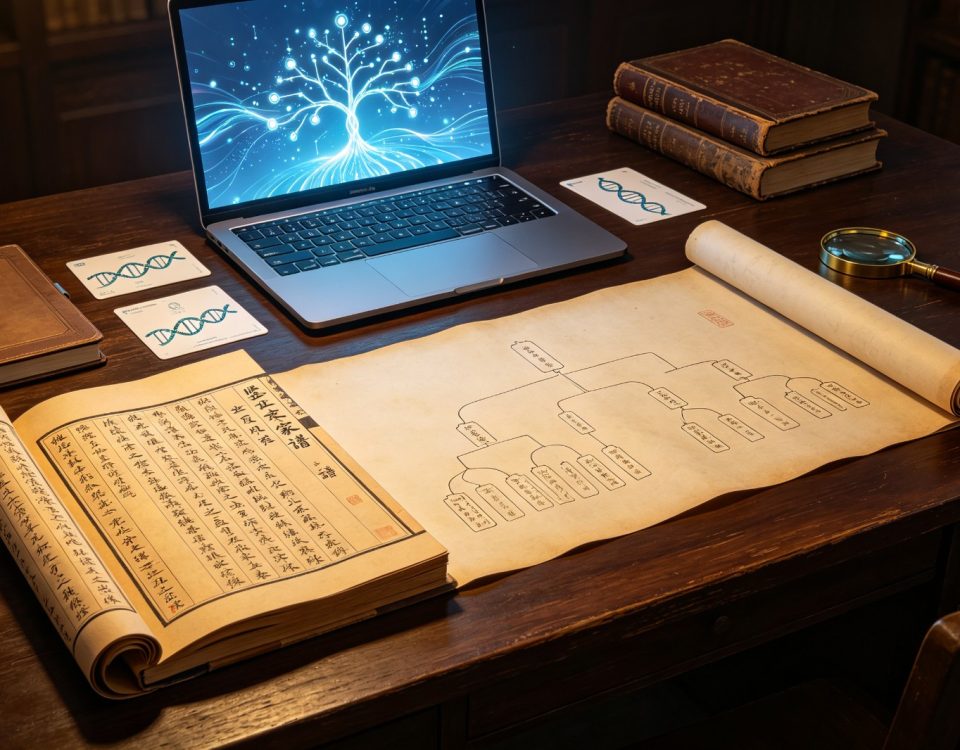
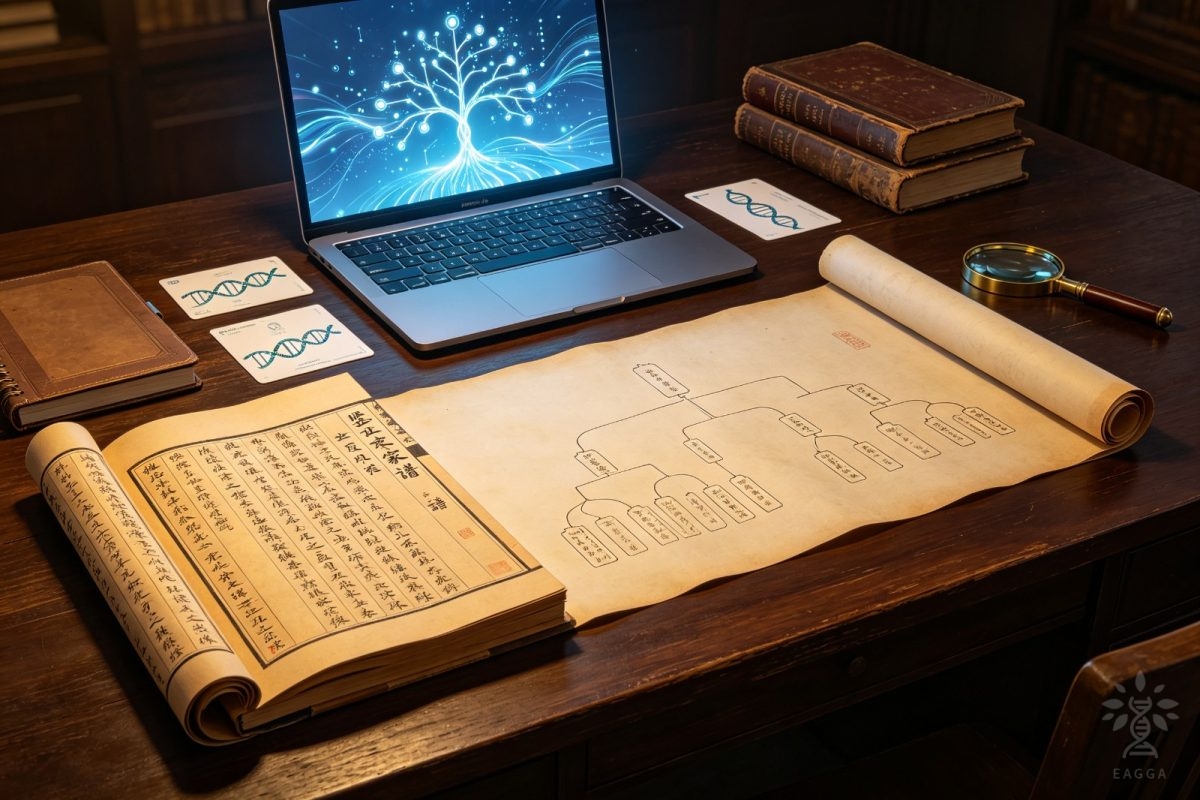
As the center’s core support, the Cross-Strait (Xiamen) Genealogy Data Platform has formally begun construction. At this stage, it has already integrated substantial cross-strait genealogy data, local chronicles, contracts and place-name dictionaries. On this foundation, the Xiamen Municipal Archives will build an intelligent root-seeking system covering Fujian-Taiwan migration records, historical and modern geographic information, and surname networks — transforming paper genealogical documents into structured data ready for machine retrieval and relational analysis.
According to the plan, the completed platform will offer visualized functions including “one-click ancestor search”, “three-generation tracing”, “five mourning degrees and nine kin groups”, and “lineage and bloodline charts”. A Taiwanese visitor need only provide fragmentary information — a surname, the ancestral place recorded in Taiwan, or the name of the first ancestor who migrated — and the platform will intelligently match genealogy data, quickly locate the ancestral home, and generate migration routes and common-ancestor relationship charts. The search shifts from oral tradition and chance to data-driven precision.
At the launch event, guests from both sides of the Strait tried the center’s AI root-seeking assistant, full-view genealogy browsing and visualized lineage-tree retrieval. The AI assistant understands natural-language questions, converting vague descriptions such as “my grandfather said we came from some place in Quanzhou” into effective queries against the genealogy database; the lineage-tree visualization makes complex clan branches immediately comprehensible.
Taiwanese youth Xiao Hongyou said after the experience that finding one’s “roots” from fragmentary information is extremely valuable. “My ancestral home is Anxi in Quanzhou, Fujian — I plan to go back and see it in the future.” A simple expectation expresses the deepest purpose of root-seeking services: helping every separated family reconnect with its homeland.
From Xiamen to Quanzhou to Shanghai, cross-strait genealogy digitization has accelerated markedly in recent years: Quanzhou’s comprehensive service platform for Southeast Asian overseas Chinese has digitized more than 10,000 genealogy volumes, the China Museum for Fujian-Taiwan Kinship’s KFA system holds over five million records, and the Shanghai Library’s Genealogy Library has opened nearly 40,000 titles — with the Xiamen platform now joining a growing “genealogy data network” covering Fujian, Taiwan and beyond.
For genetic genealogy researchers, the complementarity of genealogy platforms and DNA testing is especially significant: genealogies supply a documentary framework of lineage and migration, while DNA provides molecular verification of kinship — together they corroborate and calibrate each other. As cross-strait genealogy data moves toward standardization and interconnection, family-history research in East Asia will gain a sturdier data foundation. As the event conveyed: same roots, same bloodlines — data is becoming a new bond linking families across the Strait.