
Not All Early East Asians Met Denisovans: MPI Maps 40,000 Years of Denisovan Ancestry
2025年11月5日
Dogs Moved With Humans: 73 Ancient Canine Genomes Trace Holocene Dispersals Across Eastern Eurasia
2025年11月12日How Much Denisovan DNA Do You Carry? A Plain-Language Guide to Archaic Admixture
If you have ever taken a consumer DNA test, your report may have noted that your genome retains small traces of an archaic human. One of those archaic groups is the Denisovans—a population that lived alongside Neanderthals yet is known mostly from fragmentary fossils. Who were they, and why do we carry pieces of them today?
Denisovans are an extinct group of archaic humans, identified largely through remains from places such as Denisova Cave in southern Siberia. When early modern humans moved out of Africa and encountered them across Eurasia, the two groups interbred, and the resulting DNA fragments were left embedded in the genomes of their descendants. Because different populations met Denisovans to different degrees and at different times, the amount of these fragments acts as a tracer of ancient migration routes.
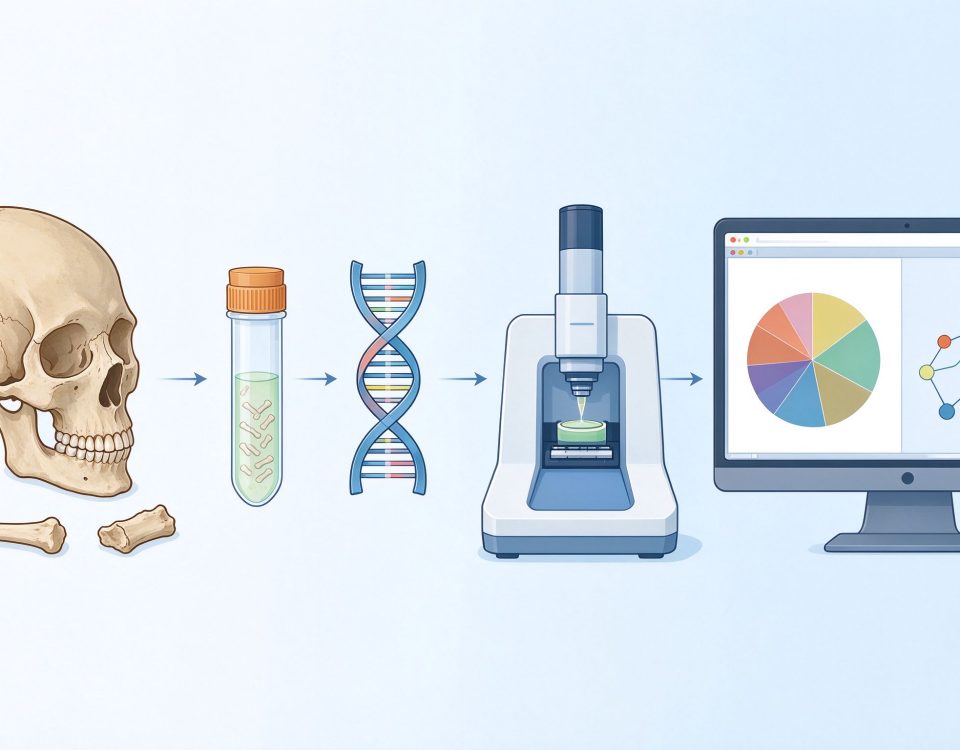
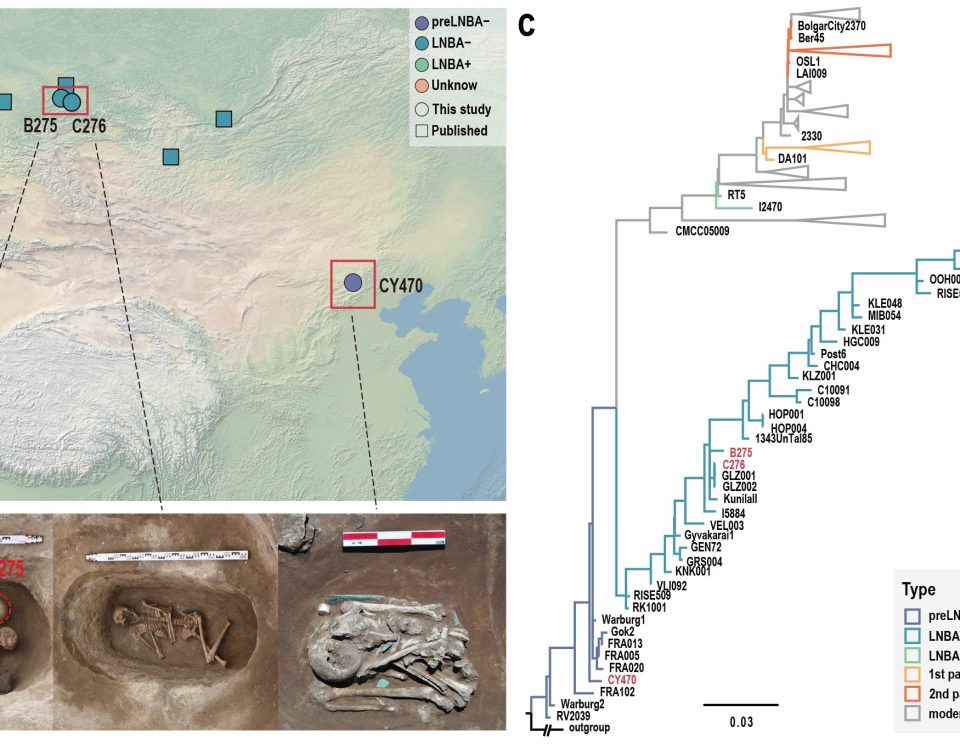
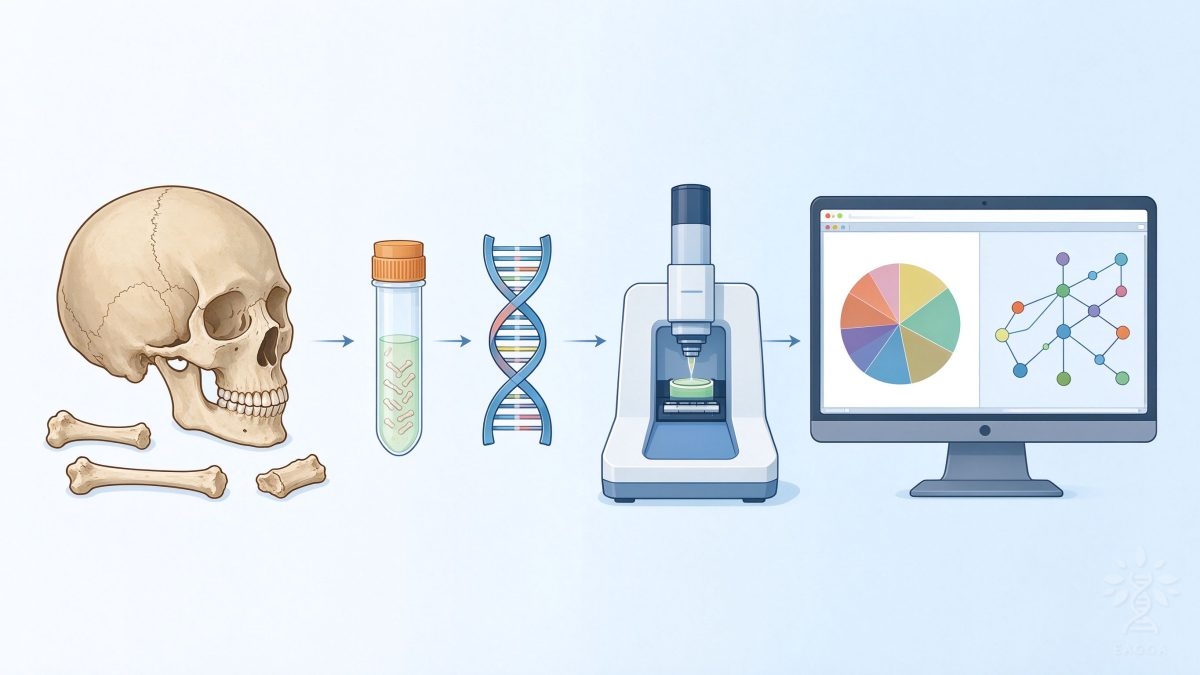
A team at the Max Planck Institute recently used exactly this tracer, scanning over a hundred ancient human genomes to look back across roughly 40,000 years. They found that China’s roughly 40,000-year-old Tianyuan individual carried the highest known proportion of Denisovan ancestry, above 0.2%—meaning that some of the earliest East Asians actually bore more visible traces of archaic mixing than later groups.
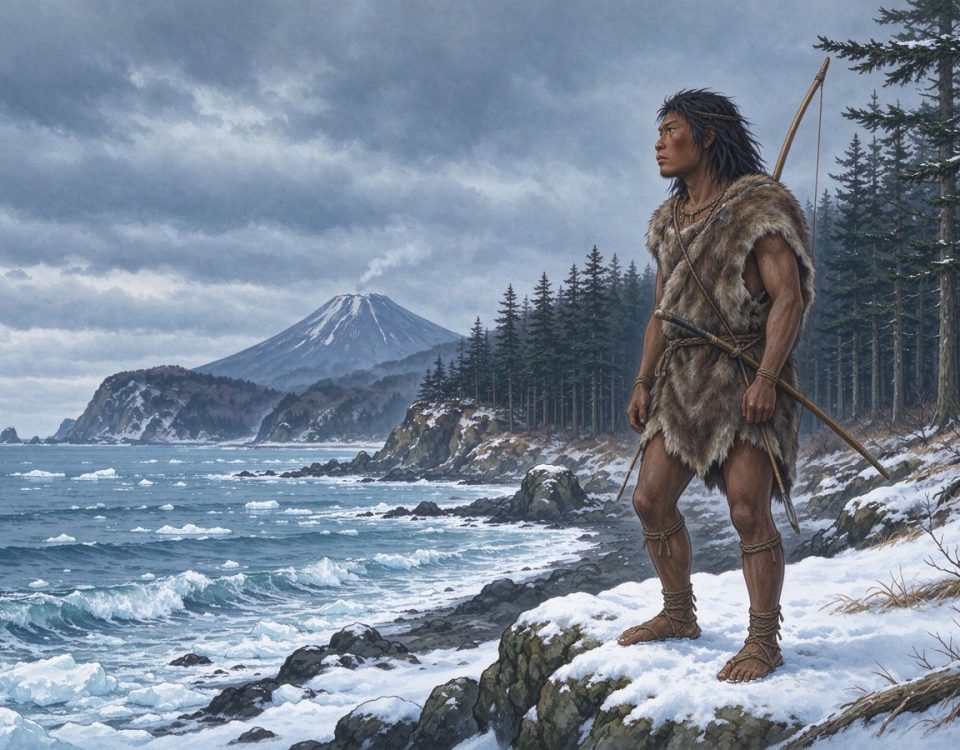
Yet the story runs in more than one direction. The J&omacron;mon–Ryukyu lineage that later contributed to modern Japanese people carried surprisingly little Denisovan ancestry. Its ancestors may have dispersed along a route on which they barely encountered Denisovans at all—so even among early East Asians, the paths taken were not the same.
The tiny archaic fragments in your own genome record encounters—and near-misses—tens of thousands of years ago. Reading them is a way of reading a small part of how East Asians came to be genetically who they are.
Source: Jiaqi Yang et al. (popular-science rewrite). Max-Planck-Gesellschaft research news, 2025-11-04.