
The Second Wave: Ancient DNA Rewrites the Spread of Germanic and Celtic Languages
2026年11月25日A Home for Old Genealogies: Why Family Registers Are Moving into Public Archives
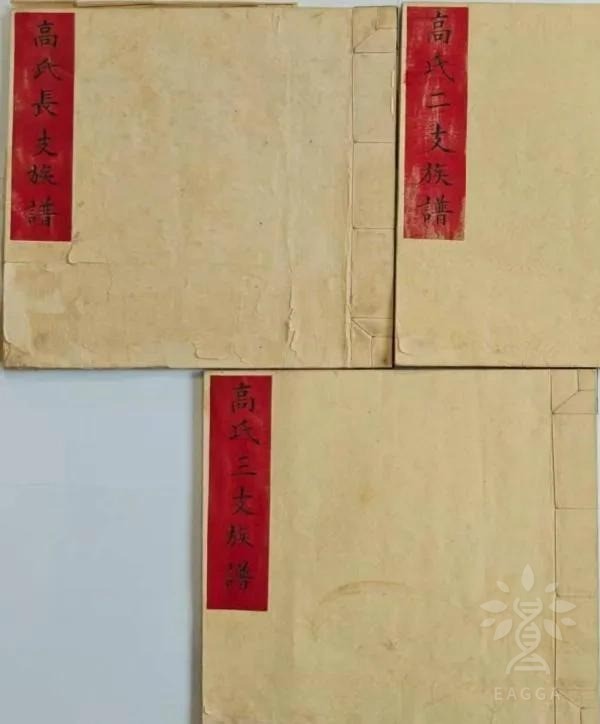
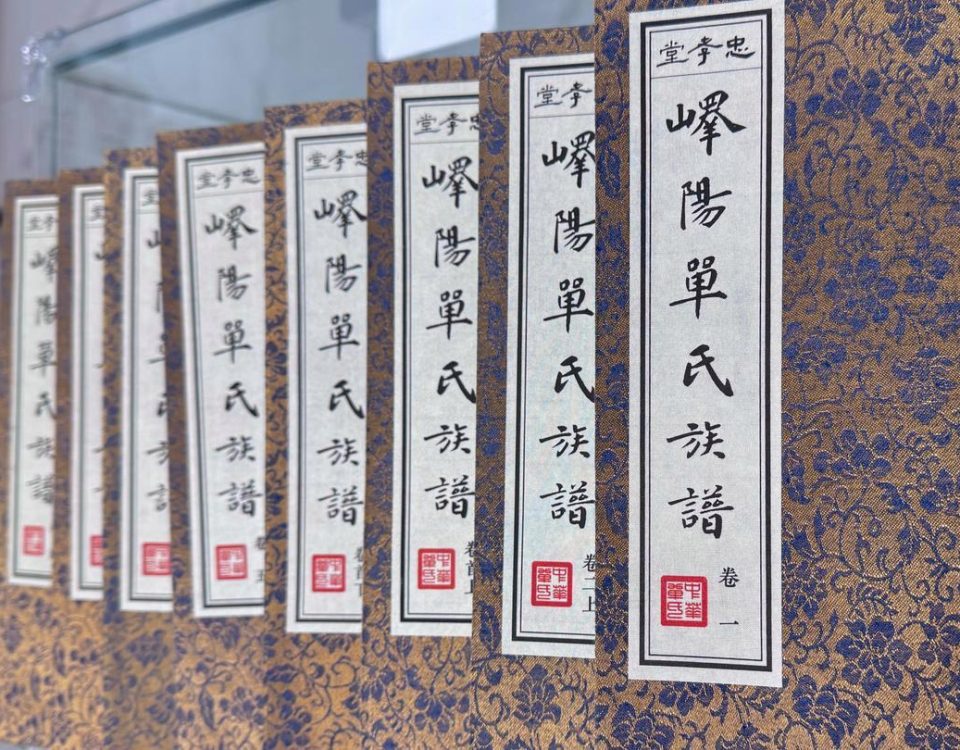
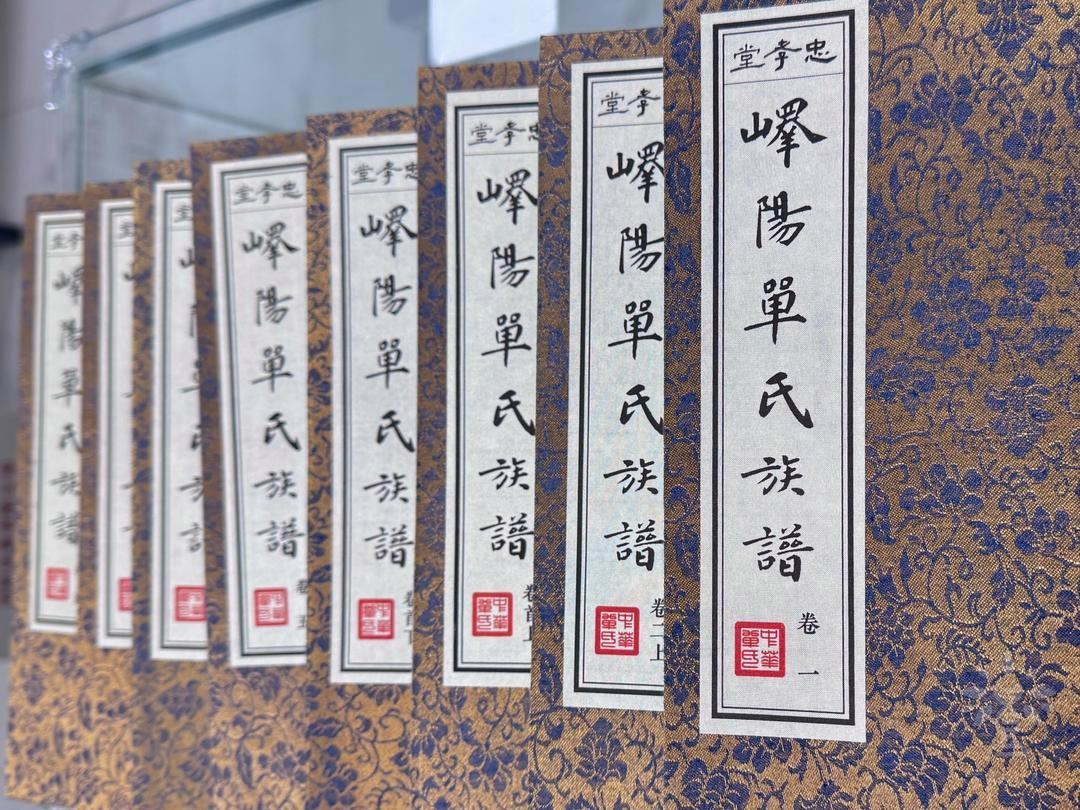
On 3 November 2026, four elderly members of the Gao clan in Dalu village, Ningjin county, Shandong, carried their family’s genealogies to the county archive. Three of the volumes, covering the clan’s first, second and third branches, were compiled in 1891, the seventeenth year of the Guangxu reign. A fourth, the Gao Clan Register, was compiled in recent years. The archive issued the donors a collection certificate.
Their reason was practical rather than ceremonial. Kept at home, the books were cared for by relatives but stored in ordinary conditions, and the family worried about gradual damage. In an archive they would receive professional conservation and repair, and would be easier for researchers and clan members to consult. As the elders put it, the old registers would finally have “a good home”.
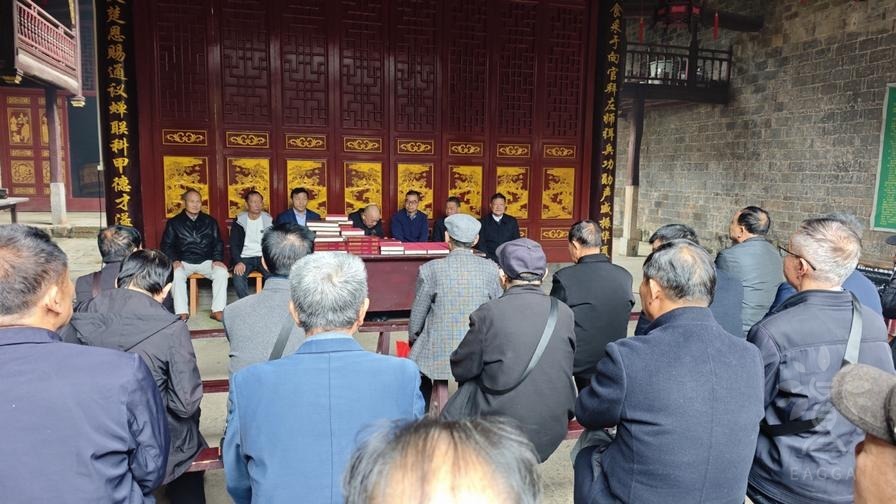
They are not alone. On 24 November the archive of Hong’an county in Hubei accepted two donations, including sixteen volumes of the Zhao clan register from the council that had just completed its sixth revision for the Moshan branch. A local author also donated four copies of his own book. The archive described clan registers as “irreplaceable primary documents of the countryside”.
Earlier, in June 2026, the Lianyungang archive society and the city’s surname culture committee issued a joint call for genealogies, offering two routes: outright donation, with a certificate, priority access for the donor and the right to restrict certain sections; or custodial deposit, in which the family keeps ownership while the archive handles storage, repair and digitisation.
Which raises a question: why are genealogies moving into archives now?
The first reason is physical. Xuan paper, cotton paper, thread bindings and paste are vulnerable to damp, insects, fire and repeated handling. That a branch register from 1891 survives intact is evidence of generations of care. Care, however, does not stop time: acidification, broken bindings and spreading mould are irreversible.
The second reason is institutional. Archives offer climate-controlled stacks, pest and mould protocols, conservation expertise, and cataloguing and retrieval systems. Once a register enters an archive it stops being an object in a family trunk and becomes a document that can be searched, requested and cited.
The third reason is scholarly. The Hong’an archive listed its expected uses plainly: regional clan migration, demographic change, the social structure of rural society in the modern era, and family instruction. For anyone working on kinship or population history, a branch register supplies names, marriages, moves and occupations across several consecutive generations — material that gazetteers and official histories often lack.
There is already evidence that this value can be put to work. Over four years the archive of Xuecheng district in Zaozhuang, Shandong, has taken in more than a hundred genealogies, inviting historians from Shandong University and the Zaozhuang genealogy society to read them alongside local history. The exercise resolved two long-standing puzzles about the Xicang and Lufeng bridges and corrected gaps in the gazetteer; local historians have since begun visiting the archive on their own initiative.
But bringing a register into an archive is only the first step. The harder step is digitisation.
A draft regulation submitted to the Fujian provincial legislature for first reading on 19 November 2026 supplies a number that makes the problem concrete. Libraries, archives, museums, private bodies and research institutes in Fujian are estimated to hold about 55,000 genealogies, in more than 55,000 volumes. Only a minority have been digitised, and the digitisation lacks common standards, so resources cannot be shared. The draft therefore proposes a province-wide root-seeking platform and a technical standard for digitising genealogies.
Fifty-five thousand volumes, few digitised, no shared standard: together these three facts describe not an absence of effort but a fragmentation of effort. For clan associations this has a direct consequence. A register scanned with a family’s own money may not be readable by anyone else’s system, while public platforms tend to demand specific formats, resolutions and descriptive metadata.
For an ordinary family, the practical steps are modest: photograph or scan the whole register clearly, page by page, and number the volumes in an inventory; keep the original stored as the archive recommends; and before donating, ask three questions — whether priority access is retained, which sections will be closed, and whether the digitised copy will join a public platform.
Return to the four volumes from Ningjin. The three old registers record lineages, biographies and clan rules up to 1891; the new register carries the line forward through the century that followed. Old and new together show a genealogy at its most complete, with an origin at one end and the present at the other.
The archive says it will catalogue, conserve and scan the donation, opening it to public consultation when conditions allow. “When conditions allow” is an honest phrase. A register has to travel from a trunk into a stack room, and from a stack room into a retrieval system. That takes time, and it takes standards.
Caption: three Qing-dynasty branch genealogies donated by the Gao clan of Dalu village, Ningjin county, Shandong, each bearing a red label naming its branch; all were compiled in 1891. Image: Dazhong News.