

Paternal Expansions of Millet and Rice Farmers: High-Resolution Y Chromosomes Reveal Demic Diffusion into Mainland Southeast Asia
2026年1月20日
Ancient DNA Opens a 4,500-Year-Old Matrilineal Society: Two Long-Lasting Maternal Lineages at the Fujia Site, Shandong
2026年1月26日Why Are Asian Victims So Hard to Identify by Forensic Genealogy? The Gilgo Beach Case and the Diversity Gap in Public DNA Databases
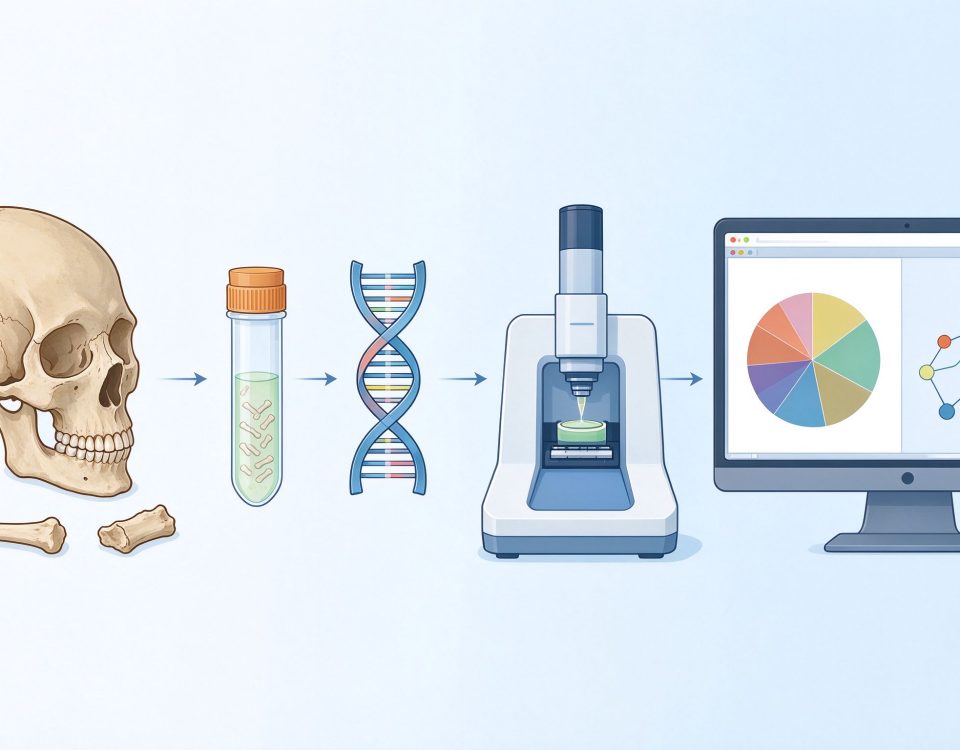
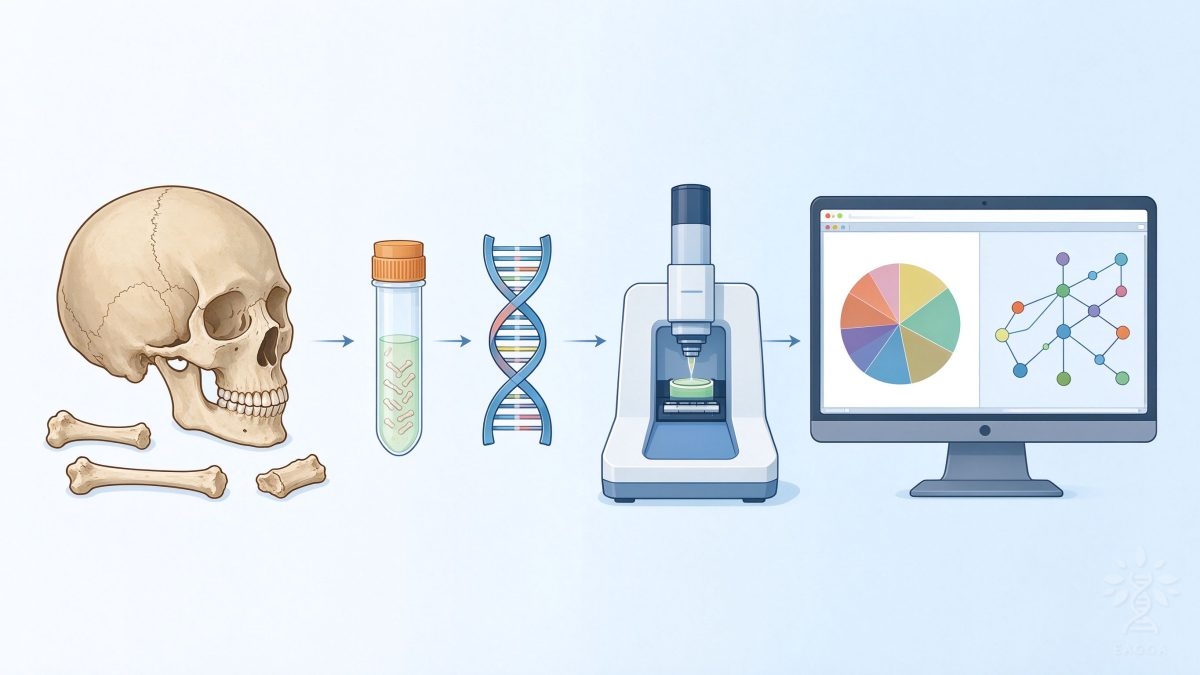
In the investigation of the Gilgo Beach serial killings on Long Island, one unidentified Asian victim has proven difficult to name—and a technical reason is telling. As Newsday reports, because people of Asian ancestry are underrepresented in public genealogy databases such as GEDmatch, investigators could not readily use forensic genetic genealogy to trace relatives, and instead considered microbial DNA analysis to infer post-mortem interval and environment.
Forensic genetic genealogy has been one of the most powerful investigative tools of the past decade: DNA from a crime scene is uploaded to public family-history databases, and relatives are traced backward to identify suspects or victims. But the method’s power depends entirely on who is in the database. When an ethnic group is thinly represented, the chance of a kinship match drops sharply.
Asian samples make up a very small share of public genealogy databases, creating a systemic blind spot for cross-ethnic identification. This is more than one case’s problem; it underscores the urgency of building reference collections for East and Southeast Asian populations. The wider a database’s ethnic coverage, the farther technical fairness can reach—and for research institutions working on East Asian populations, accumulating representative samples within strong ethical and privacy frameworks has become as important as the technology itself.
Source: Newsday. Newsday, 2026-01-20.