

Shimao Ancient-DNA Study Named Among China’s Top Ten Archaeology News of 2025
2025年12月26日
100,000 Years of East Asians: How Molecular Archaeology Reads Prehistory as a Migration Map
2025年12月30日Identification of the Harbin Cranium as a Denisovan Named a 2025 Science Top Breakthrough
The identification of the Harbin archaic human as a Denisovan has been named among Science’s top ten scientific breakthroughs of 2025, as reported by the Nanjing Institute of Geology and Palaeontology’s fossil news portal. Note that the underlying paper appeared in June 2025; this item covers the December year-list event.
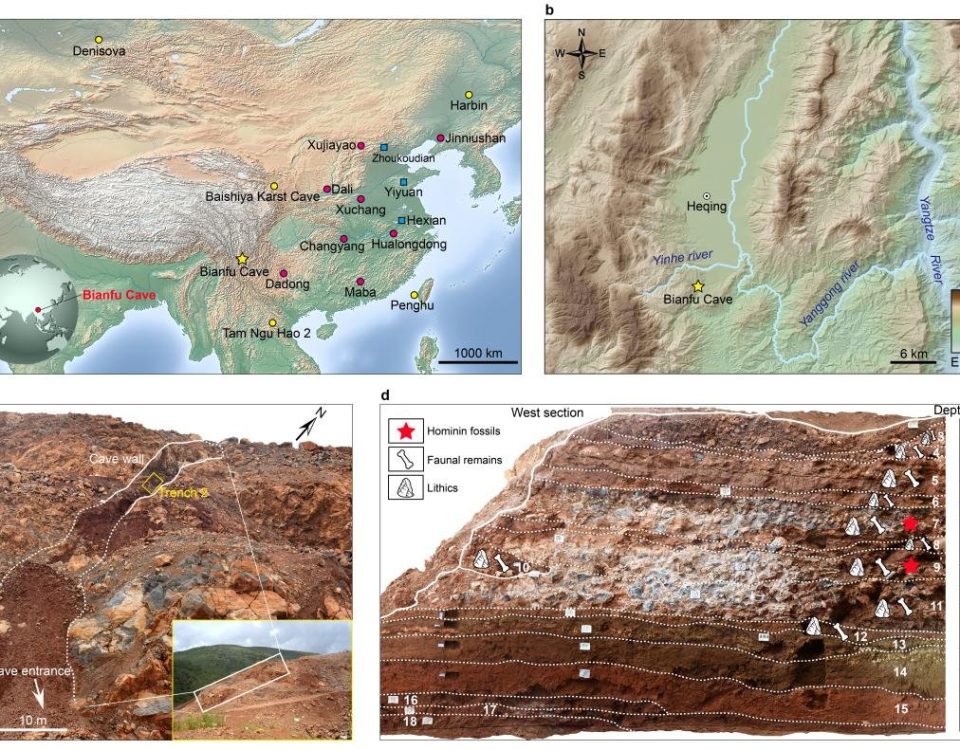
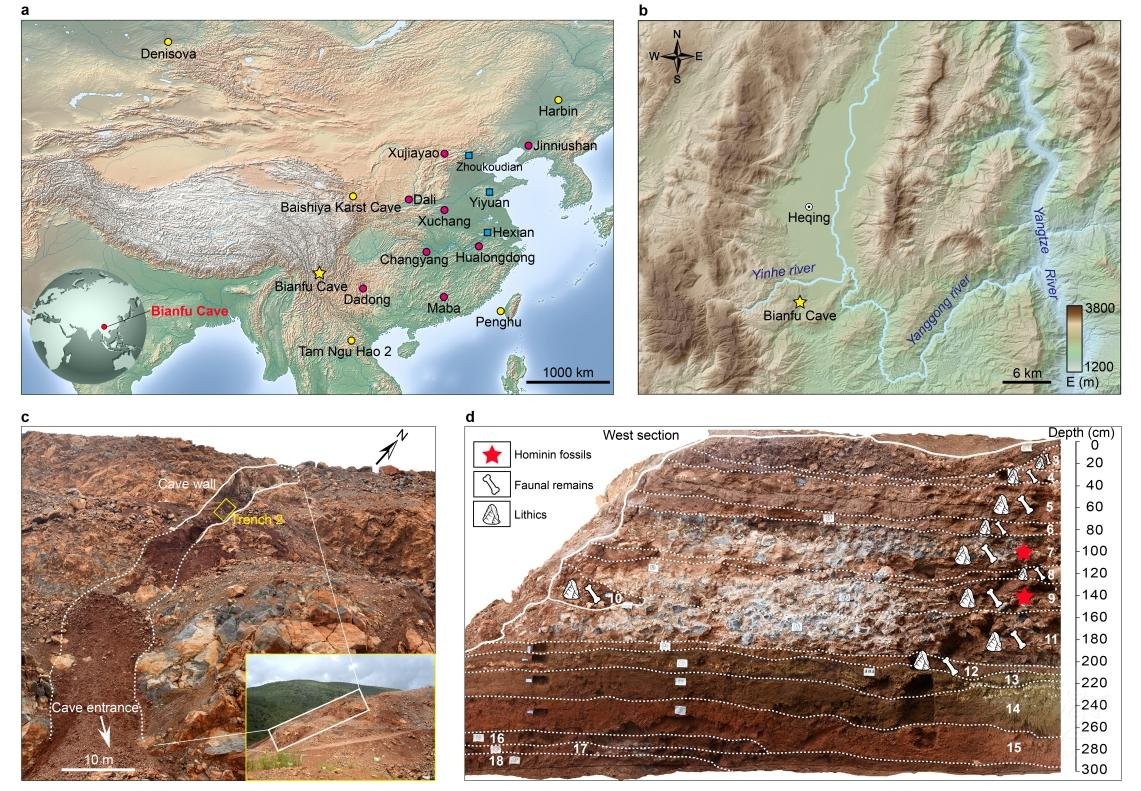
The Harbin cranium, from northeast China, is Middle Pleistocene in age—more than 146,000 years old. Using paleoprotein analysis and mitochondrial ancient DNA recovered from dental calculus, researchers identified it as belonging to an early Denisovan lineage. Because Denisovans have long lacked recognizable, diagnostic fossils, the identification is seen as solving the morphology puzzle of what Denisovans looked like.
Its inclusion in Science’s 2025 top breakthroughs underscores the field’s regard for this Chinese-led result and highlights East Asia’s central role in the study of human evolution.
Readers seeking the underlying data and methods should follow the original study; this report focuses on the year-end selection itself.
Source: Nanjing Institute of Geology and Palaeontology, CAS (reporting Science’s 2025 Breakthrough of the Year). Harbin cranium identified as Denisovan among Science’s 2025 top breakthroughs, 2025-12-29.