

Tracing Austronesian Origins from the Qihedong Skull: A New Maritime Civilization Exhibition
2025年12月9日
Molecular-Archaeology Reconstruction of 100,000 Years of East Asian History Showcased at World Archaeology Forum
2025年12月16日160,000 Years of East Asian Population Dynamics and Biological Adaptation: A Synthesis
This is a review-style account of a large synthesis by Guanglin He, Yuntao Sun, Mengge Wang and colleagues at West China Hospital and the Archaeological Science Center, Sichuan University (Genome Biology, 26:420; DOI: 10.1186/s13059-025-03859-1). The article integrates published ancient-DNA evidence to take stock of roughly 160,000 years of East Asian population history; it is itself a synthesis, not new primary data from its authors.
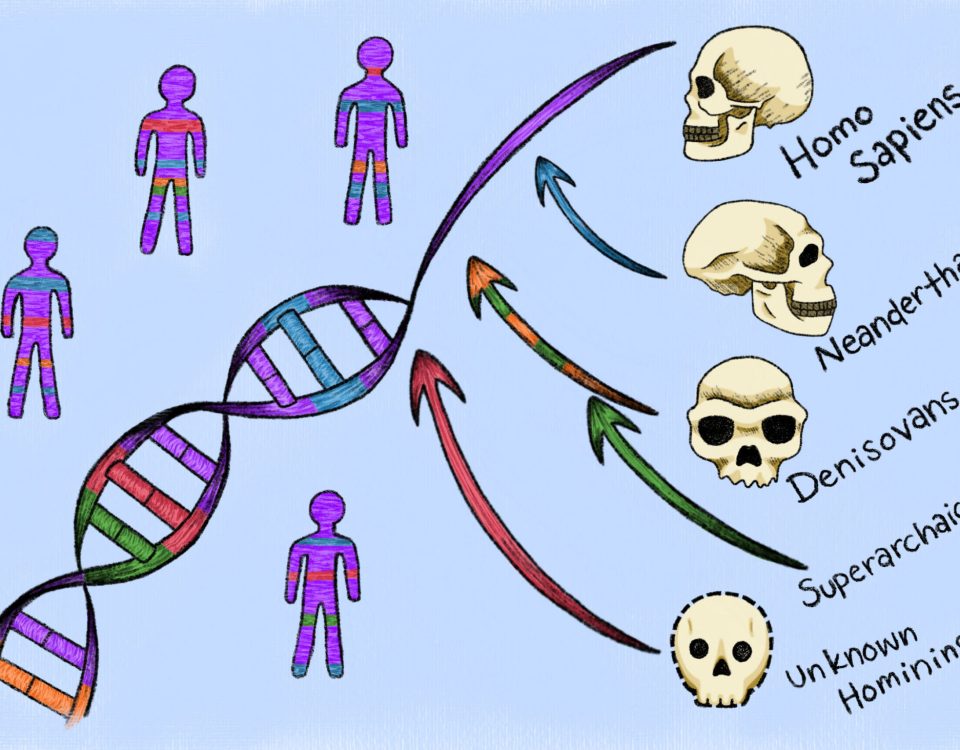
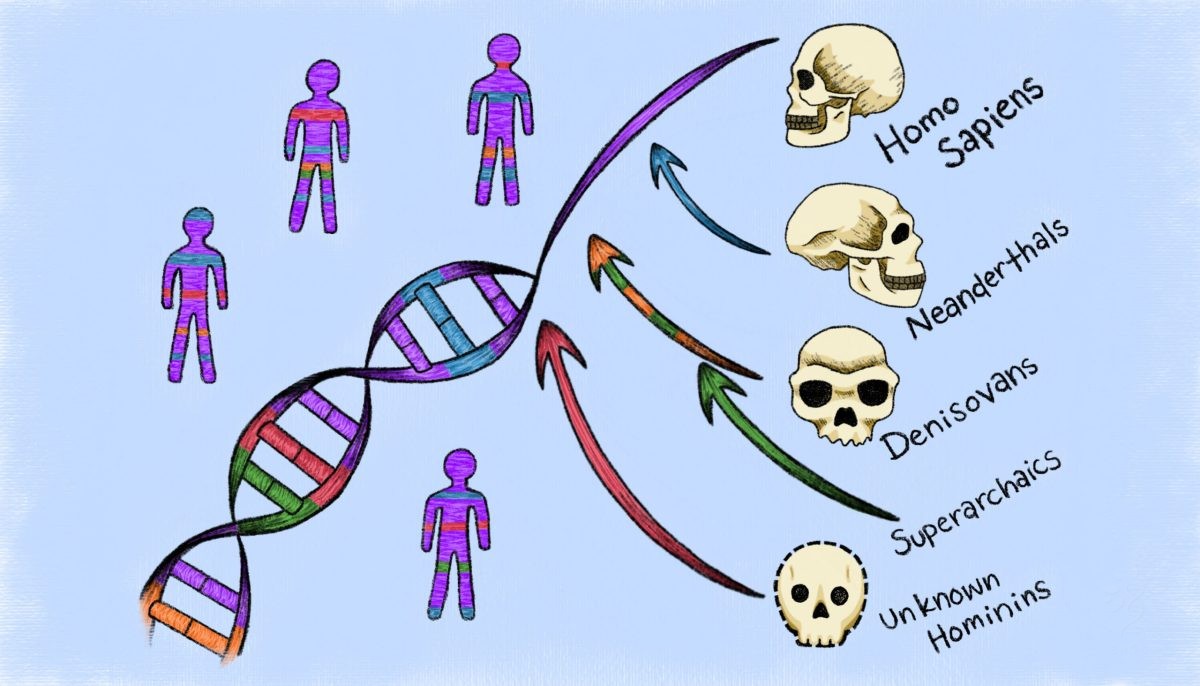
In terms of population dynamics, the review frames the last 160,000 years in East Asia as a network of advancing and retreating groups and widespread admixture. The authors outline three waves of archaic introgression into the modern East Asian gene pool, and discuss how agricultural origins and spread, together with major migration waves, shaped today’s East Asian genome structure. The framework brings otherwise scattered ancient-genome findings onto a single timeline.
For biological adaptation, the review systematically traces the spatiotemporal frequencies of key adaptive variants among ancient East Asian groups. These include EPAS1, linked to high-altitude hypoxia adaptation, and variants associated with pigmentation, hair and dental morphology—such as EDAR V370A, SLC24A5 and OCA2-His615Arg. The authors track when and where these alleles began to rise in frequency in ancient populations, and discuss how natural selection and admixture acted together.
As a stock-taking piece, its value lies in stitching dispersed evidence into one map: migration tells us “who came,” while adaptive variants address “how they endured in new environments.” The review also flags gaps—ancient genomes remain unevenly distributed across regions and periods, and many conclusions will be revised as new samples appear.
For readers, the paper is a useful map of the East Asian ancient-DNA landscape as of 2025. It offers no new data but organizes existing findings into a traceable, testable narrative; for any specific claim, one should follow the citations back to the primary studies.
Source: Guanglin He, Yuntao Sun, Mengge Wang et al. (review; this is an interpretive account). Genome Biology, 26:420, 2025-12-10.