
Ancient genomes give insight into 160,000 years of East Asian population dynamics and biological adaptation
2026年5月11日
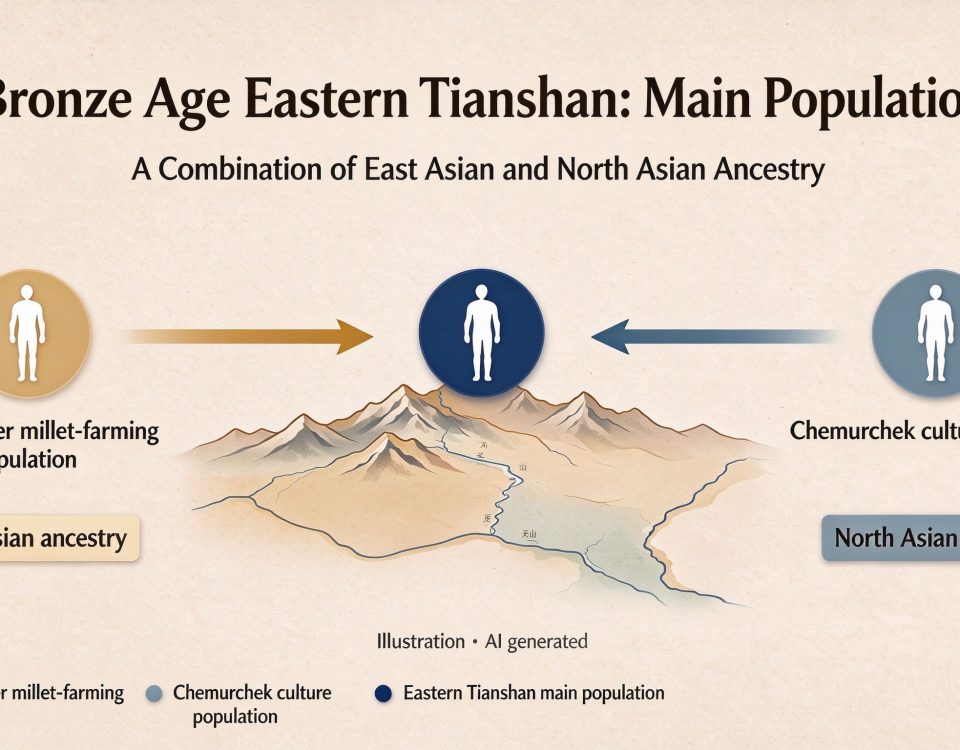
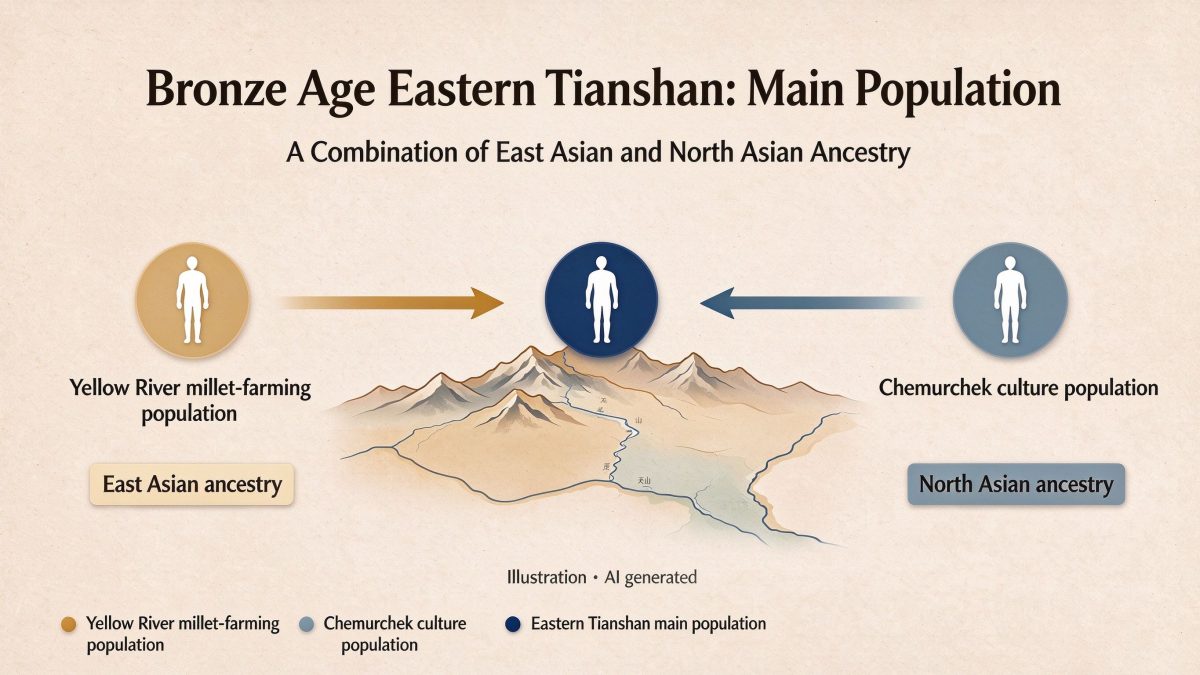
Ancient genomes reveal that the Bronze Age main population of the Eastern Tianshan combined East Asian and North Asian ancestry
2026年9月26日Chinese scientists retrieve lineage-specific genetic information from 400,000-year-old Homo erectus for the first time
On May 13, 2026 (Beijing time), the international journal Nature published online a study on Middle Pleistocene Homo erectus paleoproteomics, led by the research team of Professor Qiaomei Fu at the Institute of Vertebrate Paleontology and Paleoanthropology (IVPP), Chinese Academy of Sciences, in collaboration with the Anhui Provincial Institute of Cultural Relics and Archaeology, the Hexian County Culture, Sports and Tourism Bureau, the Luoyang Institute of Cultural Relics and Archaeology, the Luanchuan County Culture and Tourism Bureau, and Hebei GEO University. This is the first time that lineage-diagnostic molecular information has been obtained from Homo erectus anywhere in the world, reshaping our understanding of Middle Pleistocene population interactions in East Asia.
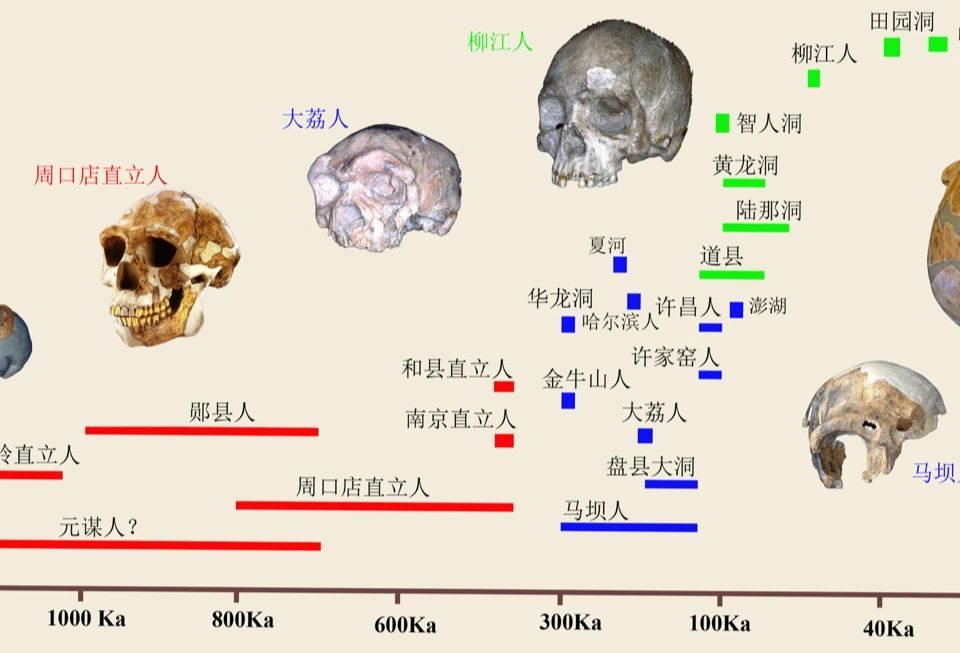
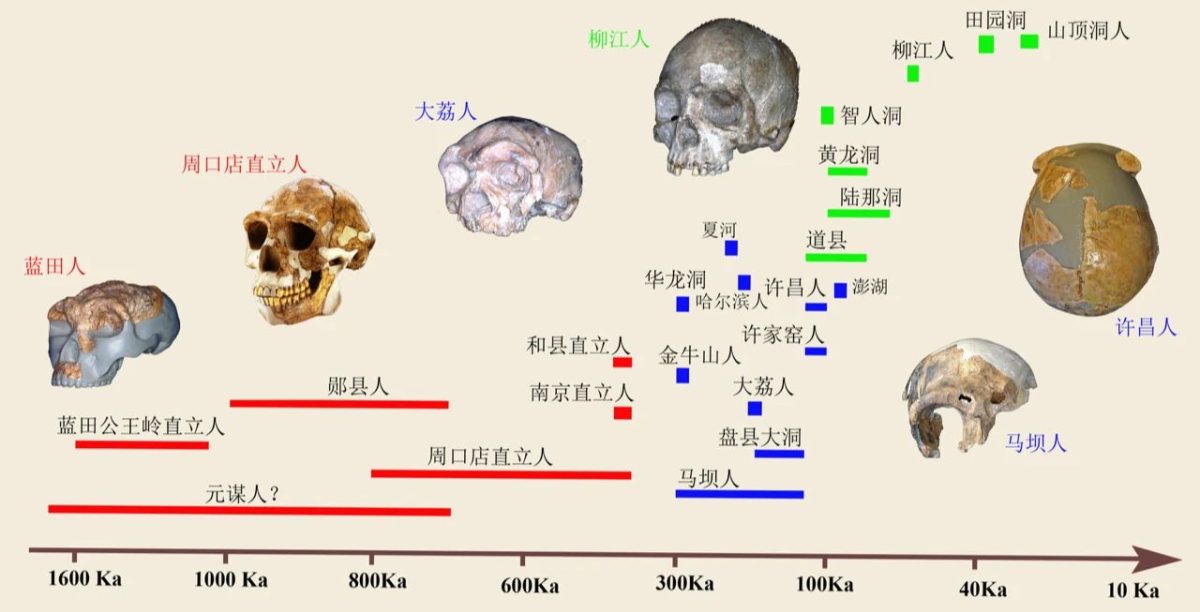
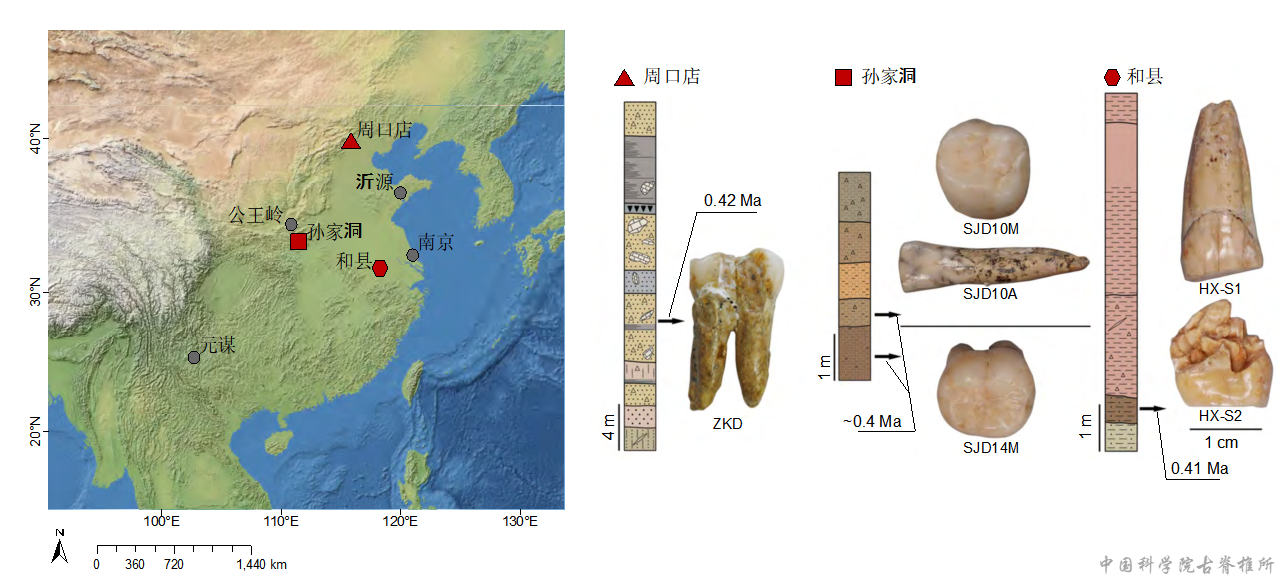
Homo erectus was the first hominin lineage to leave Africa and spread widely across Eurasia and Southeast Asia, yet its genetic profile had long remained a blank slate in human evolution research. The team developed a minimally invasive acid-etching sampling technique and, without damaging the integrity of the fossils, successfully recovered endogenous enamel proteins with phylogenetic information from six Middle Pleistocene Homo erectus teeth dated to roughly 400,000 years ago — one from Zhoukoudian (Beijing), two from Hexian (Anhui) and three from Sunjiadong (Henan).
Population-level analysis showed that, despite morphological differences, the erectus remains from Zhoukoudian, Hexian and Sunjiadong were genetically highly similar, forming a single East Asian Middle Pleistocene erectus population distinct from Neanderthals, known Denisovans and modern humans. This is the first direct molecular evidence that erectus from the three Chinese sites belonged to one independent evolutionary population, settling a long-running debate over the internal classification of East Asian Homo erectus and filling a major gap in our knowledge of erectus genetics.
The study also identified a shared mutation, AMBN M273V, in all six East Asian erectus samples — a variant previously found in Denisovans and in populations with substantial Denisovan ancestry, such as Filipinos. The team shows that archaic genes from erectus may first have entered the known Denisovan gene pool and were later passed on to modern populations in East Asia, Southeast Asia and Oceania through Denisovan introgression. In other words, the East Asian erectus represented by Zhoukoudian 400,000 years ago was not only a distinct evolutionary population but also one of the sources of archaic DNA in the modern human gene pool.
In addition, a new method (protSexInferer) for inferring the sex of ancient humans from the ratio of amelogenin-specific peptides was published in the Journal of Genetics and Genomics, offering a reliable sex-identification tool for tooth fossils that lack sex-related morphological traits or poorly preserved DNA.
Source: Institute of Vertebrate Paleontology and Paleoanthropology, Chinese Academy of Sciences; Xinhua News Agency; CNR (May 14, 2026)
Paper: Nature (published online May 13, 2026)