
149 ancient genomes reveal how wheat agriculture reached Gansu as technology transfer, not mass migration
2026年9月3日
Chinese scientists reveal for the first time the survival landscape of Denisovans in South China: major discovery at Yunnan Bianfu Cave published in Nature
2026年9月10日Why the Chuandong Cave Site Reshapes Our Picture of Prehistoric Human Interaction
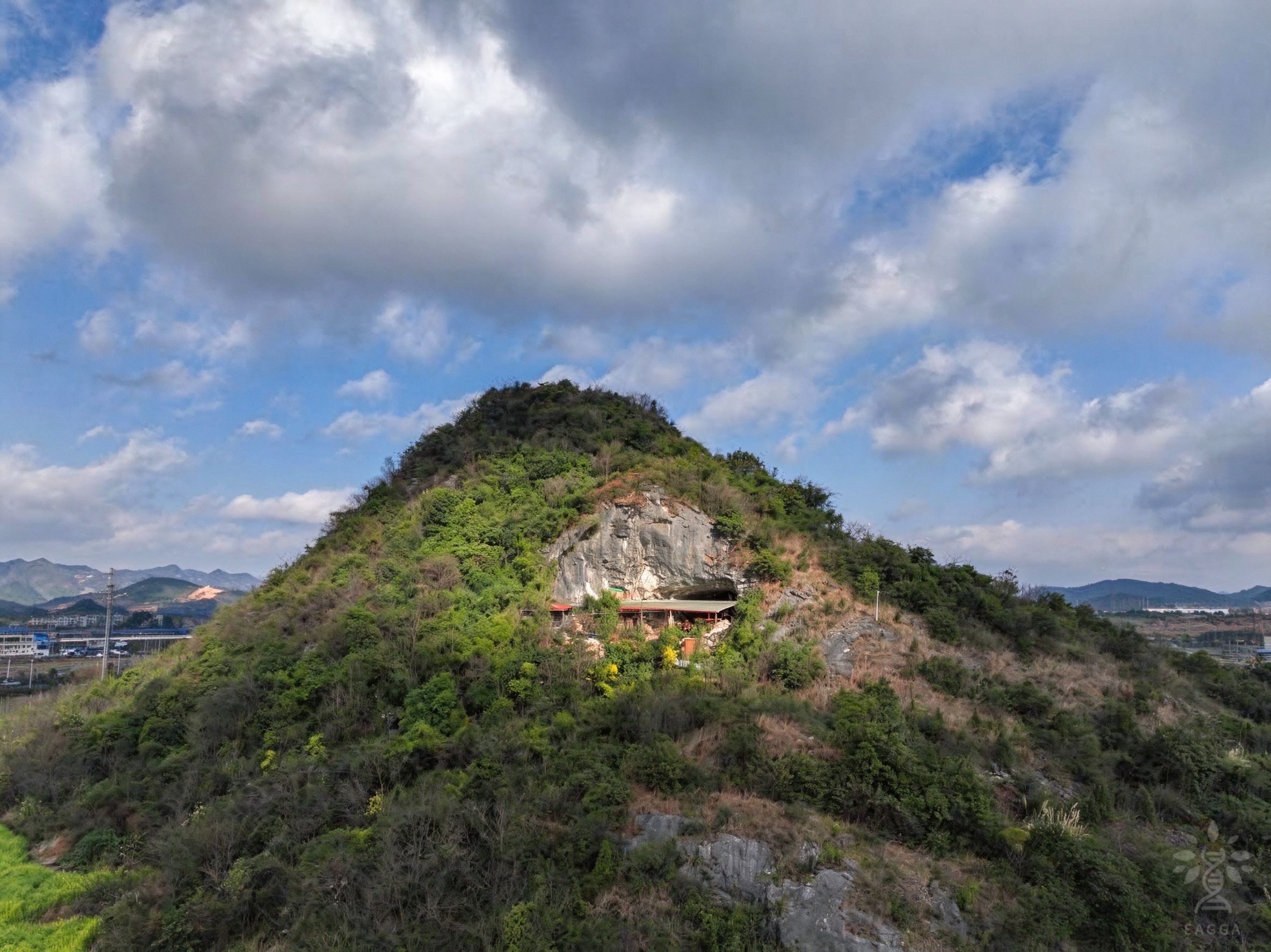
In early September 2026, the China News Service column “East-West Questions” interviewed Zhang Xinglong of the Guizhou Provincial Institute of Cultural Relics and Archaeology about the latest findings at the Chuandong (Chuan Dong) Cave site in Puding, Guizhou. As a key reference point in East Asian prehistoric archaeology, Chuandong is reshaping our understanding of human migration, technological exchange, and cultural contact tens of thousands of years ago.
A ~50,000-year-old molar: the earliest early modern human tooth in East Asia
One of the site’s most important finds is an early modern human molar dated to around 50,000 years ago. Human fossils of this age are extremely rare in East Asia, and for a long time the timing and route of modern humans’ entry into and settlement of the region remained unclear. This molar provides a direct and reliable chronological anchor for early modern human activity in East Asia, extending the regional fossil record back by a crucial step.
More than 2,500 polished bone tools: the richest assemblage in East Asia
The site has yielded over 2,500 polished bone and antler tools – the largest and most complete assemblage found so far in East Asia. Bone awls, spades, and needles show standardized forms and mature polishing techniques, indicating that people had developed a stable bone-tool tradition tens of thousands of years ago. Zhang Xinglong notes that these tools are not only evidence of technological history; they also point to a long-lasting, specialized way of life in the region.
A stone ornament dated to ~37,000 years ago: the earliest known in China
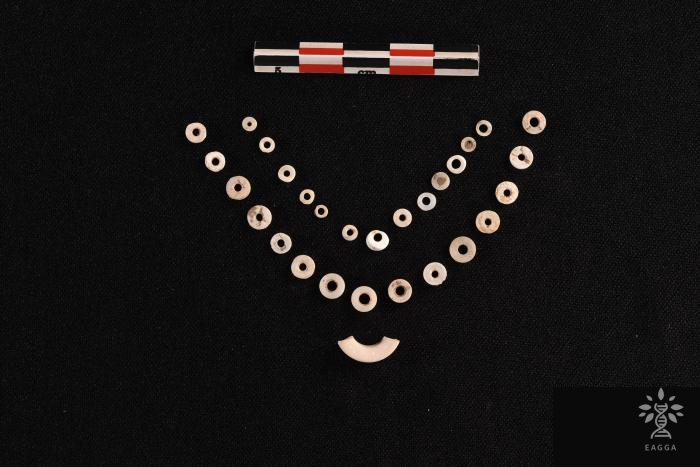
Chuandong has also produced a stone ornament dated to around 37,000 years ago, considered one of the earliest ornamental objects so far known in China. The appearance of ornaments is generally regarded as a marker of symbolic thinking and complex social behavior. Their presence suggests that early modern humans in East Asia not only adapted to their environment but also developed material culture for expressing identity and social relations.
Denisovan protein signals and the “skull burial”
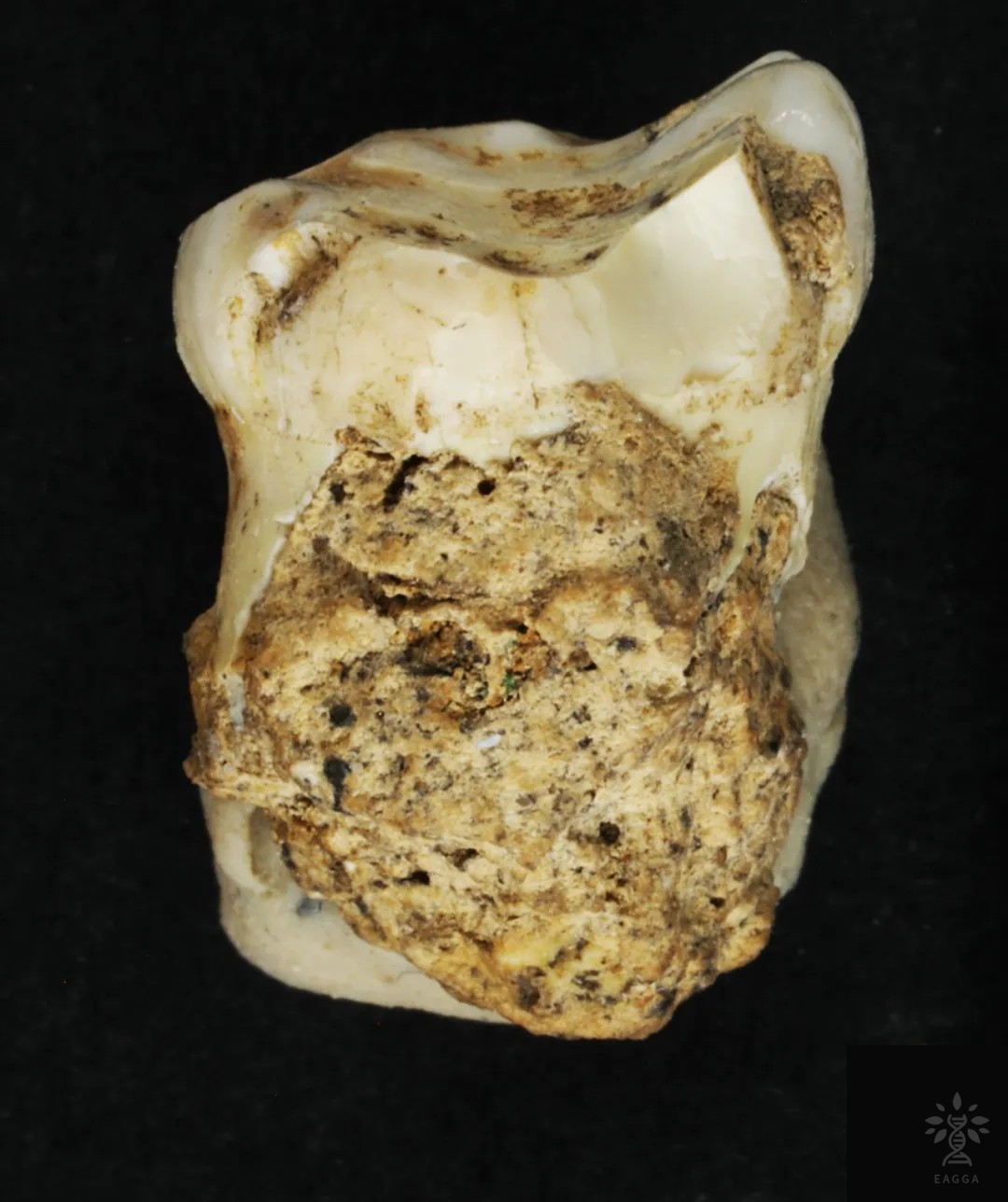
Another striking line of evidence comes from ancient protein analysis: human fossil samples from the site repeatedly yield Denisovan protein signals. This suggests that Denisovan genetic or biological influence in southern China tens of thousands of years ago may have been far greater than previously assumed. At the same time, the treatment of individual M2 as a “skull burial” reveals ritual mortuary behavior – a rare example of special handling of the dead, offering precious material for studying the spiritual world and social organization of early modern humans.
Why Chuandong reshapes the picture of prehistoric human interaction
Taken together, Chuandong links three levels of evidence: the timeline of early modern humans’ arrival in East Asia, the complexity of material culture, and interaction with archaic groups such as Denisovans. Zhang Xinglong argues that the site shows prehistoric exchanges were far more frequent than previously assumed: technology and symbolic markers may have moved along multiple corridors across vast areas, and East Asian prehistoric populations did not evolve in isolation but within a dynamic network. As more ancient DNA and ancient protein data become available, Chuandong will continue to rewrite our understanding of East Asian prehistory.
(Compiled from the China News Service “East-West Questions” interview for academic and popular-science purposes.)