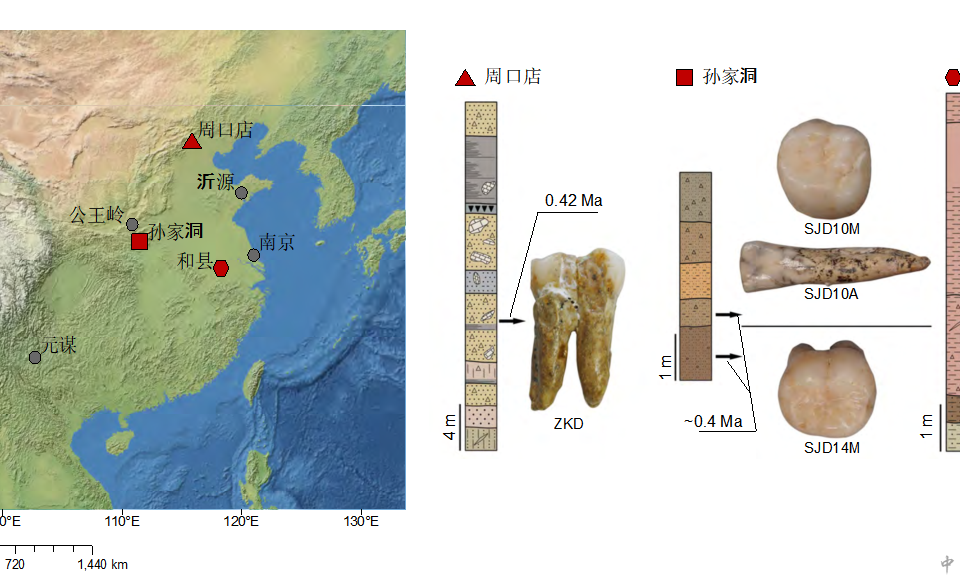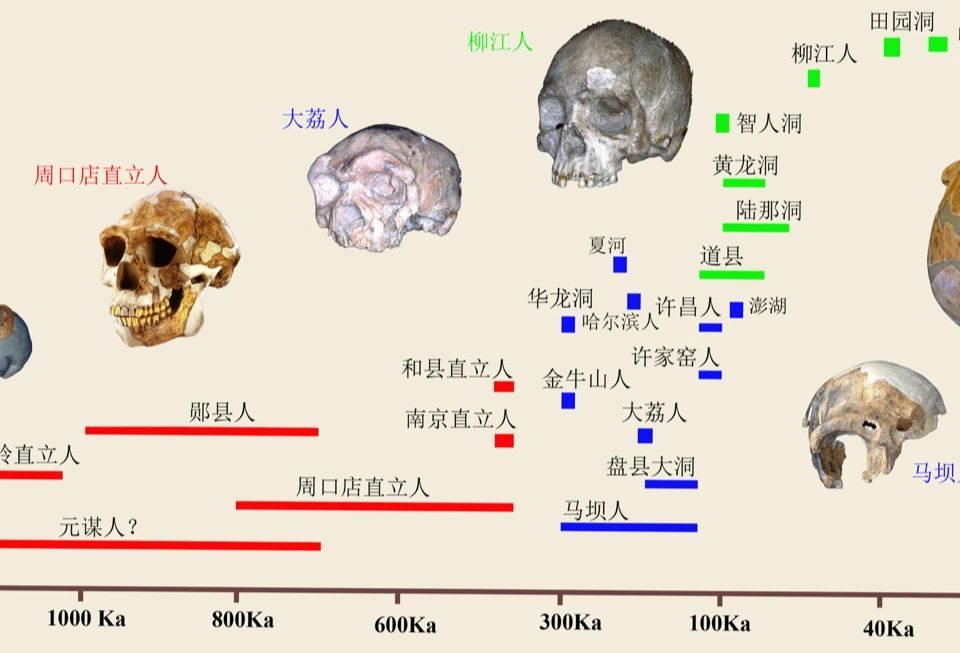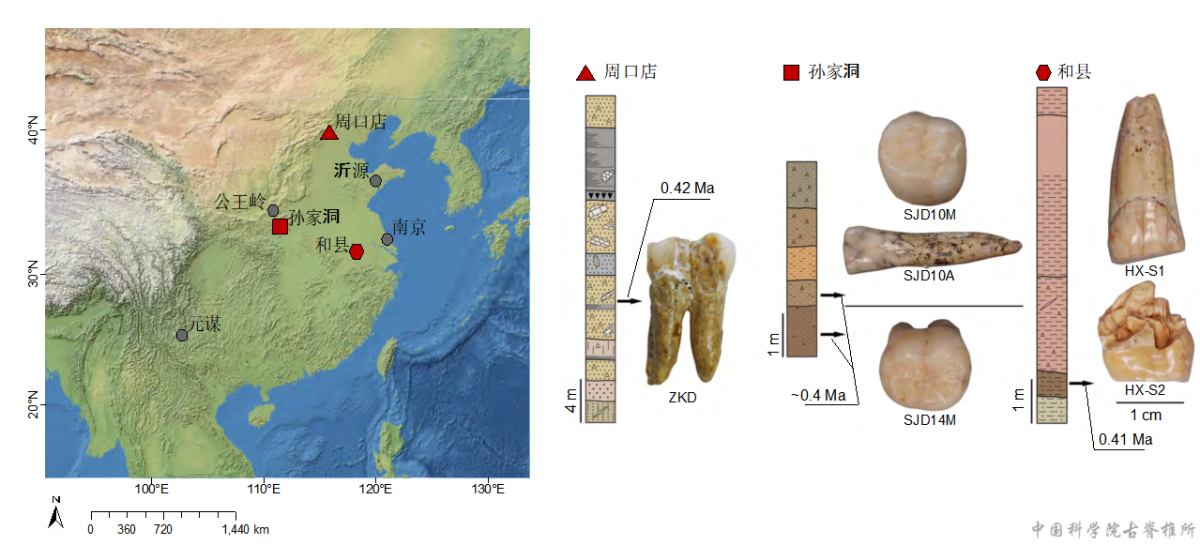

Chinese scientists retrieve lineage-specific genetic information from 400,000-year-old Homo erectus for the first time
2026年5月14日Ancient genomes reveal that the Bronze Age main population of the Eastern Tianshan combined East Asian and North Asian ancestry
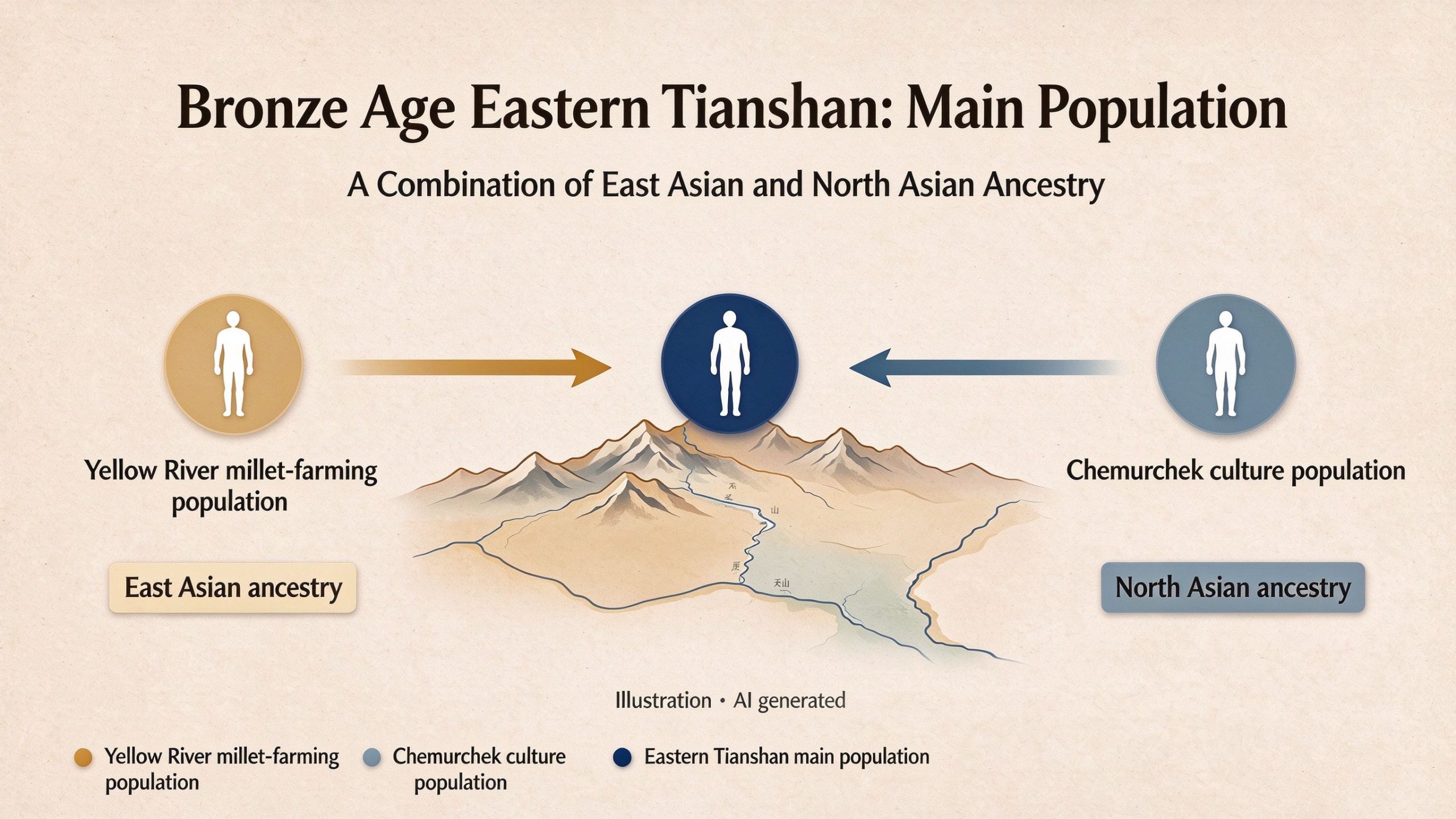
On September 18, 2026 (Beijing time), the international academic journal Science published online a major study by the research team of Professor Qiaomei Fu of the Institute of Vertebrate Paleontology and Paleoanthropology, Chinese Academy of Sciences (IVPP, CAS), together with the team of Professor Cui Yinqiu of Jilin University and multiple collaborating institutions. Based on large-scale, time-continuous ancient genome data, the study established for the first time a systematic paleogenomic time series spanning two thousand years from the Bronze Age to the Iron Age in the Eastern Tianshan region of Xinjiang, clearly revealing at the genomic level that the main Bronze Age population of the Eastern Tianshan combined East Asian and North Asian ancestry.
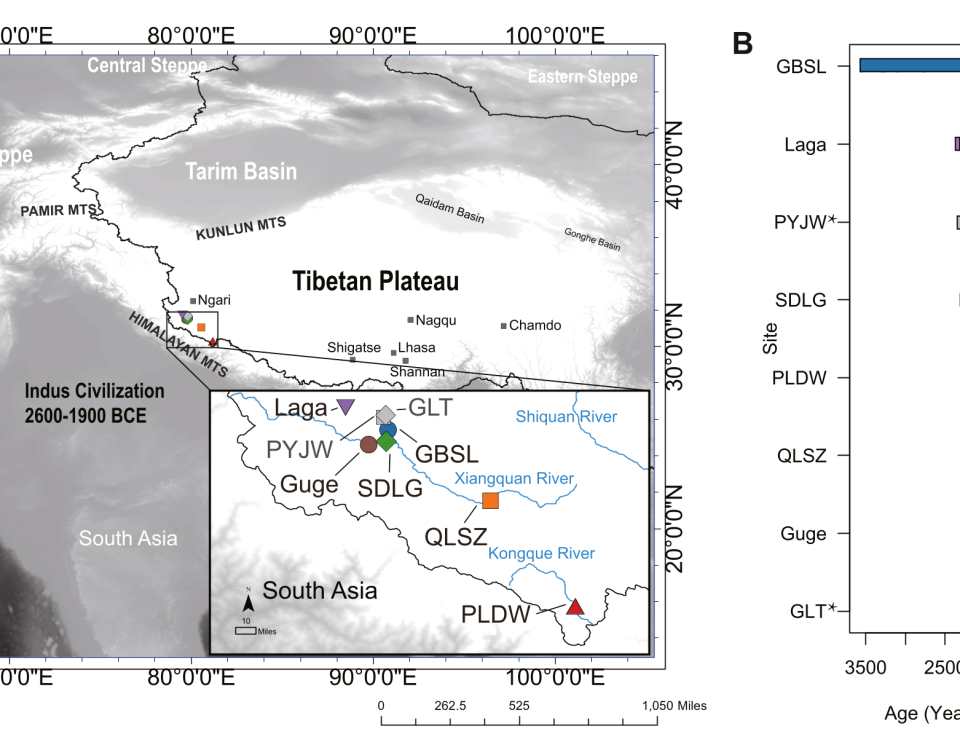
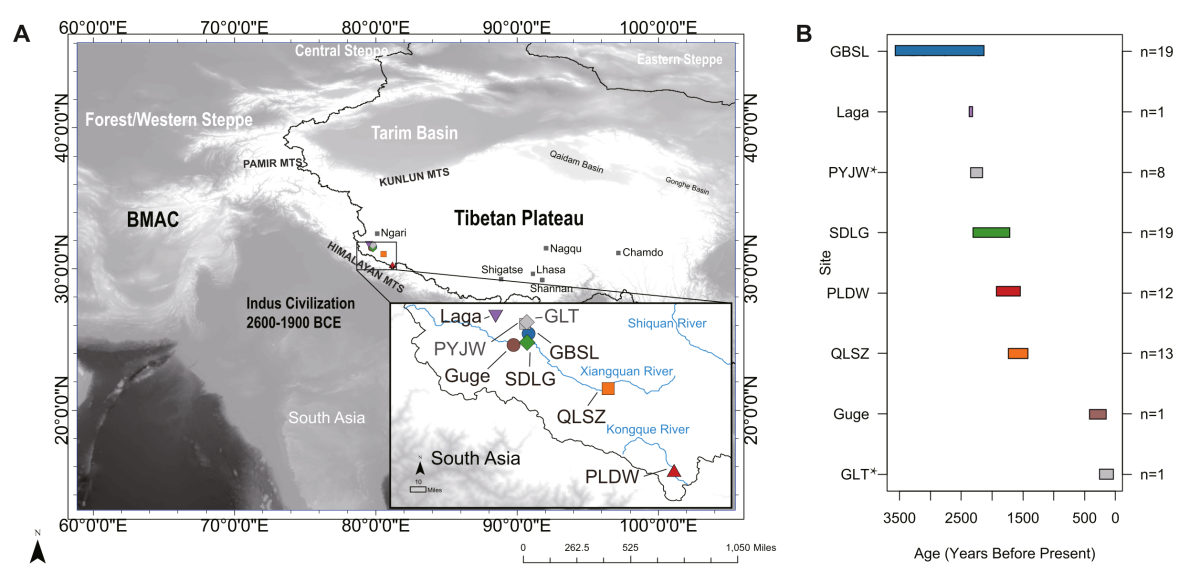
The research team obtained whole-genome data of 135 ancient individuals from 11 archaeological sites in the Eastern Tianshan region of Xinjiang, dating from approximately 3580 to 1546 years before present, providing new genetic evidence for understanding the formation and development of prehistoric populations in eastern Xinjiang.
The Eastern Tianshan, located in Xinjiang, China, is an important corridor connecting the Hexi Corridor and the Eurasian region. Previous archaeological studies had identified multiple cultural elements from the Gansu-Qinghai region and the Eurasian steppe in the Bronze Age cultures of the Eastern Tianshan, but systematic ancient genomic evidence had been lacking.
Population genetic analysis shows that the main Bronze Age population, represented by the Dongtianshan Beilu cemetery, derived approximately half of its ancestral components from East Asian ancestry related to the millet-farming populations of the middle and late Neolithic Yellow River basin, and the other half from populations associated with the Chemurchek culture of the Altai-Junggar region in North Asia. This is the earliest genetic evidence so far discovered in Xinjiang for the admixture of these two population components.
The study also found that, apart from the main population, a small number of outlier individuals of the Bronze Age Eastern Tianshan showed significant diversity in their genetic composition, indicating that as early as the Bronze Age, population interactions in the Eastern Tianshan region extended eastward to the Yellow River basin, northward to the Mongolian Plateau and the Altai region, and southward into southern Central Asia.
After entering the first millennium BCE, with strengthened interregional population mobility and cultural exchange, the genetic structure of the Eastern Tianshan population exhibited even greater diversity. The study found that the mixed East Asian and North Asian genetic foundation formed in the Bronze Age continued at a high proportion, with multiple Iron Age populations inheriting high proportions of the core genetic components of the Bronze Age Eastern Tianshan, showing remarkable genetic continuity; on this basis, populations at different sites further absorbed genetic components from multiple directions, including the Yellow River basin, the Mongolian Plateau, the Eurasian steppe, and southern Central Asia.
The research team noted that the history of multi-regional population interaction in the Eastern Tianshan region far predates the formation of the Silk Road in the historical period, and the region's continuous population interaction history can be traced back to approximately 1,800 years before the official opening of the Silk Road. This historical process, characterized by population genetic continuity as the mainstay alongside the continuous convergence and long-term admixture of populations from multiple directions, reflects the features of multi-regional interaction, exchange and mutual learning, and integrated coexistence in the formation and development of Chinese civilization, and provides a new paleogenomic perspective for understanding the important position of the Xinjiang region in exchanges between Chinese civilization and Eurasia since the Bronze Age, as well as the formation of the pluralistic and integrated pattern of the Chinese nation.
Source: Institute of Vertebrate Paleontology and Paleoanthropology, Chinese Academy of Sciences; China News Service (September 18, 2026)
Paper: Science (published online September 18, 2026)